Introduction
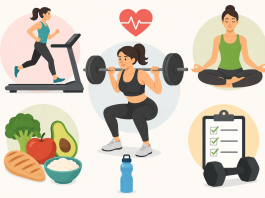
Good health and fitness are not achieved through quick fixes, crash diets, or occasional workouts. Instead, they are built through small, consistent habits practiced every day. The choices you make from the moment you wake up until you go to sleep have a powerful impact on your physical health, mental well-being, energy levels, and overall quality of life.
In today’s fast-paced world, many people struggle with stress, poor eating habits, lack of exercise, inadequate sleep, and excessive screen time. These lifestyle factors contribute to obesity, heart disease, diabetes, anxiety, depression, and numerous other health and fitness concerns. Fortunately, adopting healthy daily habits can significantly reduce these risks while improving longevity and overall wellness.
The good news is that you do not need to make drastic changes overnight. Small, sustainable habits often create the biggest long-term results. Drinking more water, taking a daily walk, prioritizing sleep, managing stress, and eating nutritious foods may seem simple, but together they create a foundation for lifelong health and fitness.
This comprehensive guide explores the most effective daily habits for better health and fitness and explains how these habits can help you live a healthier, more energetic, and fulfilling life.
Table of Contents
- Introduction
- Why Daily Habits Matter for Health and Fitness
- Start Your Day with a Healthy Morning Routine
- Hydrate Your Body Properly
- Never Skip a Nutritious Breakfast
- Prioritize Regular Physical Activity
- Walk More Throughout the Day
- Strength Training for Long-Term Health and fitness
- Make Stretching a Daily Habit
- Eat More Whole Foods
- Increase Fruit and Vegetable Intake
- Consume Enough Protein
- Reduce Processed Foods and Added Sugars
- Practice Portion Control
- Healthy Snacking Habits
- Improve Gut Health Naturally
- Get Quality Sleep Every Night
- Manage Stress Effectively
- Build Positive Mental Health Habits
- Conclusion
- Frequently Asked Questions
Why Daily Habits Matter for Health and Fitness
Many people focus on short-term goals such as losing weight quickly or getting fit before a special event. While goals can provide motivation, long-term success comes from developing healthy and fitness habits that become part of everyday life.
Daily habits influence:
- Body weight
- Energy levels
- Immune function
- Mental health
- Heart health
- Muscle strength
- Digestive health
- Sleep quality
- Longevity
A healthy lifestyle is the result of hundreds of small decisions repeated consistently over time.
For example:
- Drinking water instead of sugary beverages
- Taking stairs instead of elevators
- Choosing fruits instead of processed snacks
- Walking after meals
- Going to bed on time
These simple actions compound into significant health benefits over months and years.

Start Your Day with a Healthy Morning Routine
The way you begin your day often determines how productive and healthy the rest of the day will be.
A positive morning routine helps:
- Increase energy
- Improve focus
- Reduce stress
- Support health and fitness decision-making
Wake Up at a Consistent Time
Maintaining a regular wake-up schedule helps regulate your body’s internal clock.
Benefits include:
- Better sleep quality
- Improved mood
- Enhanced concentration
- Increased energy levels
Even on weekends, try to wake up around the same time each day.
Avoid Checking Your Phone Immediately
Many people begin their day by scrolling social media or checking emails.
This habit may increase:
- Stress
- Anxiety
- Mental fatigue
Instead, spend the first few minutes focusing on yourself through stretching, hydration, or mindfulness exercises.
Practice Gratitude
Taking a few moments to appreciate positive aspects of life can improve mental well-being.
Benefits include:
- Reduced stress
- Improved happiness
- Better emotional resilience
Writing down three things you’re grateful for each morning can have lasting positive effects.
Hydrate Your Body Properly
Water is essential for nearly every bodily function.
Your body depends on proper hydration for:
- Digestion
- Circulation
- Temperature regulation
- Joint lubrication
- Nutrient transport
Benefits of Drinking More Water
Proper hydration can:
- Increase energy levels
- Improve concentration
- Support healthy skin
- Enhance physical performance
- Prevent headaches
Daily Hydration Tips
- Drink a glass of water immediately after waking up.
- Carry a reusable water bottle.
- Set hydration reminders.
- Consume water-rich fruits and vegetables.
Most adults should aim to drink adequate fluids throughout the day, although individual needs vary depending on activity level, climate, and health conditions.
Never Skip a Nutritious Breakfast
Breakfast provides the body with energy after an overnight fast.
A balanced breakfast can:
- Improve concentration
- Reduce overeating later
- Stabilize blood sugar levels
- Enhance productivity
Healthy Breakfast Options
Examples include:
Oatmeal with Fruit
Provides:
- Fiber
- Vitamins
- Long-lasting energy
Eggs and Whole-Grain Toast
Offers:
- Protein
- Healthy fats
- Essential nutrients
Greek Yogurt with Nuts
Supports:
- Muscle health
- Digestive health
- Satiety
Avoid breakfasts loaded with sugar, as they often lead to energy crashes later in the day.
Prioritize Regular Physical Activity
Exercise remains one of the most important habits for overall health and fitness.
Physical activity supports:
- Weight management
- Heart health
- Mental well-being
- Strong muscles and bones
Benefits of Daily Exercise
Regular exercise may help:
- Reduce chronic disease risk
- Improve mood
- Boost energy
- Strengthen the immune system
- Improve sleep quality
Recommended Activities
Choose activities you enjoy, such as:
- Walking
- Jogging
- Cycling
- Swimming
- Dancing
- Strength training
Consistency matters more than perfection.
Walk More Throughout the Day
Walking is one of the simplest and most effective forms of exercise.
Benefits include:
- Improved cardiovascular health
- Better blood circulation
- Reduced stress
- Increased calorie expenditure
Easy Ways to Walk More
- Park farther away from destinations.
- Take walking breaks during work.
- Walk after meals.
- Use stairs whenever possible.
- Walk while talking on the phone.
Even short walks throughout the day can improve overall health.
Strength Training for Long-Term Health
Many people focus only on cardio, but strength training is equally important.
Benefits include:
- Increased muscle mass
- Stronger bones
- Improved metabolism
- Better posture
- Reduced injury risk
Beginner Strength Training Exercises
- Squats
- Push-ups
- Lunges
- Resistance band exercises
- Dumbbell workouts
Aim to include strength training at least two to three times per week.
Make Stretching a Daily Habit
Stretching improves flexibility and mobility while reducing muscle tension.
Benefits include:
- Improved posture
- Better range of motion
- Reduced injury risk
- Enhanced circulation
Simple Daily Stretches
- Neck stretches
- Shoulder rolls
- Hamstring stretches
- Hip stretches
- Calf stretches
Even five to ten minutes daily can make a noticeable difference.
Eat More Whole Foods
Whole foods are minimally processed and rich in nutrients.

Examples include:
- Fruits
- Vegetables
- Whole grains
- Lean proteins
- Nuts and seeds
Benefits of Whole Foods
Whole foods provide:
- Vitamins
- Minerals
- Fiber
- Antioxidants
They also help reduce consumption of unhealthy additives and excess calories.
Increase Fruit and Vegetable Intake
Fruits and vegetables are nutritional powerhouses.
Benefits include:
- Stronger immunity
- Better digestion
- Lower disease risk
- Healthy weight management
Easy Ways to Eat More Produce
- Add vegetables to every meal.
- Snack on fruit.
- Blend vegetables into smoothies.
- Include salads regularly.
Experts generally recommend consuming a variety of colorful fruits and vegetables daily.
Consume Enough Protein
Protein is essential for:
- Muscle repair
- Hormone production
- Immune function
- Satiety
Healthy Protein Sources
Animal Sources
- Eggs
- Fish
- Chicken
- Turkey
- Lean beef
Plant-Based Sources
- Lentils
- Beans
- Tofu
- Chickpeas
- Quinoa
Including protein in every meal helps maintain energy and muscle health.
Reduce Processed Foods and Added Sugars
Highly processed foods often contain:
- Excess sugar
- Sodium
- Unhealthy fats
- Artificial additives
Excessive consumption can increase the risk of:
- Obesity
- Diabetes
- Heart disease
Healthier Alternatives
Replace:
- Sugary drinks with water
- Candy with fruit
- Chips with nuts
- White bread with whole grains
Small dietary improvements can produce significant long-term benefits.
Practice Portion Control
Even healthy foods can contribute to weight gain when consumed in excessive amounts.
Portion Control Tips
- Use smaller plates.
- Eat slowly.
- Avoid distractions during meals.
- Listen to hunger and fullness cues.
Mindful eating improves digestion and helps maintain a healthy weight.
Healthy Snacking Habits
Snacks can support health and fitness when chosen wisely.
Healthy Snack Ideas
- Fresh fruit
- Nuts
- Greek yogurt
- Vegetables with hummus
- Hard-boiled eggs
Healthy snacks provide sustained energy while reducing cravings for unhealthy foods.
Improve Gut Health Naturally
Gut health affects digestion, immunity, and even mental health.
Foods That Support Gut Health
- Yogurt
- Kefir
- Sauerkraut
- Kimchi
- Fiber-rich fruits
- Vegetables
- Whole grains
A healthy gut microbiome contributes to overall wellness.
Get Quality Sleep Every Night
Sleep is one of the most overlooked health and fitness habits.
Benefits of quality sleep include:
- Improved memory
- Better mood
- Stronger immunity
- Enhanced recovery
- Better weight management
Sleep Improvement Tips
- Maintain a consistent bedtime.
- Limit screen exposure before bed.
- Keep your bedroom cool and dark.
- Avoid caffeine late in the day.
Most adults require seven to nine hours of sleep each night.
Manage Stress Effectively
Chronic stress negatively affects both physical and mental health.
It can contribute to:
- High blood pressure
- Anxiety
- Depression
- Poor sleep
- Weakened immunity
Healthy Stress Management Techniques
- Deep breathing
- Meditation
- Exercise
- Journaling
- Spending time outdoors
Managing stress consistently supports overall health and fitness and happiness.
Build Positive Mental Health Habits
Mental wellness is a critical component of overall fitness.
Healthy mental habits include:
- Practicing gratitude
- Building strong relationships
- Limiting negative self-talk
- Seeking support when needed
- Engaging in enjoyable activities
Mental and physical health work together to create overall well-being.
Daily Habits for Better Health and Fitness
Maintain a Healthy Body Weight
Maintaining a healthy body weight is one of the most important aspects of overall health and fitness. Excess body weight increases the risk of several chronic diseases, including heart disease, type 2 diabetes, high blood pressure, sleep apnea, and certain types of cancer.
The goal should not be achieving a specific number on the scale but rather maintaining a healthy balance between nutrition, physical activity, and lifestyle habits.
Benefits of Maintaining a Healthy Weight
A healthy weight can help:
- Improve cardiovascular health
- Increase energy levels
- Reduce joint stress
- Improve mobility
- Enhance self-confidence
- Lower the risk of chronic diseases
- Improve sleep quality
Daily Habits That Support Healthy Weight Management
Monitor Portion Sizes
Many people unknowingly consume more calories than needed. Using smaller plates, measuring portions, and eating mindfully can help control calorie intake.
Eat Slowly
The brain requires time to recognize fullness signals. Eating slowly allows your body to communicate when it has had enough food, reducing overeating.
Stay Physically Active
Daily movement helps burn calories and maintain a healthy metabolism.
Prioritize Nutrient-Dense Foods
Focus on foods that provide maximum nutrition with fewer empty calories.
Examples include:
- Vegetables
- Fruits
- Lean proteins
- Whole grains
- Healthy fats
Develop Consistent Eating Patterns
Many people alternate between overeating and restrictive dieting. Consistent eating patterns support metabolism, energy levels, and long-term health.
Benefits of Regular Eating Habits
Consistent meal timing can:
- Improve digestion
- Stabilize blood sugar levels
- Reduce cravings
- Improve concentration
- Support weight management
Tips for Consistent Eating
Avoid Skipping Meals
Skipping meals often leads to excessive hunger and overeating later.
Plan Meals Ahead
Meal planning reduces reliance on unhealthy convenience foods.
Keep Healthy Foods Available
Stock your kitchen with nutritious options to encourage healthy choices.
Practice Mindful Eating
Mindful eating involves paying full attention to the eating experience.
Many people eat while:
- Watching television
- Using smartphones
- Working
- Driving
These distractions often lead to overeating.
Benefits of Mindful Eating
Mindful eating can:
- Improve digestion
- Enhance meal satisfaction
- Support weight control
- Reduce emotional eating
How to Eat Mindfully
Slow Down
Take smaller bites and chew thoroughly.
Focus on Your Food
Notice flavors, textures, and aromas.
Listen to Hunger Signals
Eat when hungry and stop when comfortably satisfied.
Prioritize Heart Health and Fitness Every Day
Heart disease remains one of the leading causes of death worldwide. Fortunately, daily habits can significantly improve cardiovascular health.
Heart-Healthy Habits
Exercise Regularly
Physical activity strengthens the heart muscle and improves circulation.
Eat Heart-Friendly Foods
Include:
- Leafy greens
- Fatty fish
- Nuts
- Whole grains
- Olive oil
Limit Excess Sodium
Too much sodium may contribute to high blood pressure.
Avoid Smoking
Smoking damages blood vessels and significantly increases heart disease risk.
Support Immune System Function Naturally
A strong immune system helps protect the body against infections and illness.
Daily Habits That Strengthen Immunity
Eat Nutrient-Rich Foods
Focus on foods rich in:
- Vitamin C
- Vitamin D
- Zinc
- Antioxidants
Get Adequate Sleep
Sleep plays a crucial role in immune system regulation.
Stay Active
Regular exercise supports immune function.
Manage Stress
Chronic stress weakens immune defenses over time.
Improve Posture Throughout the Day
Poor posture can contribute to:
- Back pain
- Neck pain
- Shoulder tension
- Reduced mobility
Benefits of Good Posture
Maintaining proper posture can:
- Reduce muscle strain
- Improve breathing
- Increase confidence
- Support spinal health
Daily Posture Tips
Sit Correctly
Keep feet flat on the floor and shoulders relaxed.
Adjust Workstations
Position screens at eye level.
Take Movement Breaks
Avoid sitting for long periods without standing or stretching.
Limit Sedentary Behavior
Modern lifestyles often involve prolonged sitting.
Many adults spend hours sitting at:
- Desks
- Computers
- Televisions
- Vehicles
Health and fitness Risks of Excessive Sitting
Prolonged sedentary behavior may increase the risk of:
- Obesity
- Heart disease
- Diabetes
- Poor circulation
Strategies to Move More
Set Movement Reminders
Stand and move every 30 to 60 minutes.
Use Standing Desks
Alternate between sitting and standing.
Walk During Breaks
Short movement sessions improve circulation and energy.
Protect Your Joint Health
Healthy joints support mobility and independence.
Daily Habits for Joint Health
Maintain a Healthy Weight
Excess body weight increases pressure on joints.
Stay Active
Movement helps keep joints flexible.
Strengthen Supporting Muscles
Strong muscles provide better joint stability.
Consume Anti-Inflammatory Foods
Examples include:
- Salmon
- Walnuts
- Berries
- Leafy greens
Build Strong Bones
Bone health and fitness becomes increasingly important with age.
Factors That Support Bone Health
Calcium Intake
Calcium-rich foods include:
- Dairy products
- Fortified plant milks
- Leafy greens
Vitamin D
Vitamin D helps the body absorb calcium effectively.
Weight-Bearing Exercise
Activities such as walking, hiking, and strength training strengthen bones.
Reduce Screen Time
Technology provides many benefits but excessive screen exposure can negatively impact health.
Problems Associated with Excessive Screen Time
- Eye strain
- Poor posture
- Sleep disruption
- Reduced physical activity
- Increased stress
Healthy Screen Habits
Take Regular Breaks
Follow the 20-20-20 rule:
Every 20 minutes, look at something 20 feet away for 20 seconds.
Limit Screen Use Before Bed
Blue light can interfere with sleep quality.
Spend More Time Outdoors
Nature offers numerous physical and mental health and fitness benefits.
Benefits of Outdoor Activities
Spending time outdoors may:
- Reduce stress
- Improve mood
- Encourage physical activity
- Support vitamin D production
- Improve mental clarity
Easy Ways to Spend Time Outside
- Morning walks
- Gardening
- Hiking
- Outdoor workouts
- Family activities
Build Healthy Social Connections
Human relationships significantly affect health and fitness and longevity.
Benefits of Strong Social Relationships
Supportive relationships can:
- Reduce stress
- Improve emotional well-being
- Increase life satisfaction
- Improve mental health
Ways to Strengthen Relationships
Spend Quality Time Together
Focus on meaningful conversations and shared experiences.
Stay Connected
Regular communication strengthens relationships.
Join Community Activities
Social engagement promotes belonging and emotional wellness.
Avoid Harmful Habits
Certain lifestyle habits significantly increase disease risk.
Smoking
Smoking damages nearly every organ in the body.
Health and fitness risks include:
- Heart disease
- Lung disease
- Stroke
- Cancer
Excessive Alcohol Consumption
Excessive alcohol intake may contribute to:
- Liver disease
- Weight gain
- High blood pressure
- Mental health and fitness problems
Reducing or eliminating harmful habits can dramatically improve long-term health.
Practice Daily Self-Care
Self-care is an essential part of overall wellness.
It involves intentionally supporting physical, mental, and emotional health.
Self-Care Activities
Examples include:
- Reading
- Exercise
- Meditation
- Journaling
- Relaxation techniques
- Creative hobbies
Benefits of Self-Care
Regular self-care may:
- Reduce stress
- Improve mood
- Prevent burnout
- Increase resilience
Create a Sustainable Healthy Lifestyle
One of the biggest mistakes people make is attempting extreme lifestyle changes.
Long-term success comes from sustainability.
Tips for Sustainable Habits
Start Small
Focus on one or two habits at a time.
Set Realistic Goals
Avoid unrealistic expectations.
Track Progress
Monitoring habits increases accountability.
Be Patient
Meaningful health and fitness improvements take time.
Consistency matters far more than perfection.
The Power of Habit Stacking
Habit stacking involves attaching a new habit to an existing routine.
Examples
- Drink water after brushing your teeth.
- Stretch after waking up.
- Take a walk after lunch.
- Practice gratitude before bedtime.
Habit stacking makes healthy behaviors easier to maintain.
Why Consistency Beats Perfection
Many people quit healthy routines because they miss a workout or eat an unhealthy meal.
However, lasting success comes from consistency rather than perfection.
A single unhealthy choice rarely causes major problems.
What matters most is returning to healthy habits quickly and maintaining them over time.
Small improvements repeated daily can transform your health, fitness, and overall quality of life.
Advanced Fitness Habits for Maximum Results
Once you have established basic healthy habits such as proper hydration, balanced nutrition, regular exercise, and quality sleep, the next step is optimizing your fitness routine for long-term success. Advanced fitness habits help improve physical performance, build resilience, and maximize overall well-being.
Set Specific Fitness Goals
Having clear fitness goals provides direction and motivation.
Examples include:
- Losing body fat
- Building muscle
- Improving cardiovascular endurance
- Increasing flexibility
- Enhancing athletic performance
SMART Goal Setting
Effective goals should be:
- Specific
- Measurable
- Achievable
- Relevant
- Time-bound
For example:
Instead of saying “I want to get fit,” set a goal like “I will walk 30 minutes five days a week for the next three months.”
Track Your Progress
Monitoring progress helps maintain motivation.
Useful tracking methods include:
- Fitness journals
- Mobile fitness apps
- Progress photos
- Body measurements
- Workout logs
Tracking allows you to identify what’s working and make necessary adjustments.
Healthy Aging Through Daily Habits
Aging is a natural process, but healthy habits can help maintain strength, mobility, and independence throughout life.
Why Healthy Aging Matters
As people age, they may experience:
- Reduced muscle mass
- Slower metabolism
- Bone density loss
- Joint stiffness
- Increased disease risk
Fortunately, many of these changes can be minimized through healthy lifestyle choices.
Daily Habits for Healthy Aging
Stay Physically Active
Regular movement helps maintain:
- Balance
- Flexibility
- Strength
- Cardiovascular health
Strength Training
Resistance exercises help prevent age-related muscle loss.
Prioritize Nutrition
Older adults should focus on:
- Protein-rich foods
- Calcium
- Vitamin D
- Fiber-rich foods
Maintain Social Connections
Social engagement supports mental and emotional well-being throughout life.
Productivity and Health: The Powerful Connection
Many people separate health and fitness & productivity, but they are closely linked.
Healthy habits improve:
- Focus
- Concentration
- Memory
- Decision-making
- Energy levels
Daily Productivity Habits
Start with Priorities
Identify your most important tasks early in the day.
Exercise Before Work
Morning physical activity can increase alertness and productivity.
Take Strategic Breaks
Short breaks help prevent mental fatigue.
Stay Hydrated
Even mild dehydration can negatively affect concentration.
Mental Resilience and Emotional Strength
Life inevitably brings challenges, setbacks, and stressful situations.
Mental resilience helps individuals adapt and recover from adversity.
Benefits of Mental Resilience
Strong resilience may help:
- Reduce anxiety
- Improve confidence
- Enhance problem-solving abilities
- Increase emotional stability
Daily Habits That Build Resilience
Practice Gratitude
Focusing on positive aspects of life improves emotional well-being.
Develop a Growth Mindset
View challenges as opportunities to learn and improve.
Accept Imperfection
Perfectionism often increases stress and reduces happiness.
Learn Stress Management Skills
Develop healthy coping strategies for difficult situations.
Fitness Technology and Wearable Devices
Technology is changing how people approach health and fitness.
Wearable devices provide valuable data that can support healthier decisions.
Popular Fitness Technologies
Fitness Trackers
Track:
- Steps
- Heart rate
- Calories burned
- Sleep patterns
Smartwatches
Offer:
- Activity reminders
- Workout tracking
- Health and fitness monitoring
Mobile Fitness Apps
Support:
- Exercise programs
- Nutrition tracking
- Goal setting
Technology can improve accountability and consistency when used effectively.
Daily Habits for Better Brain Health
The brain requires proper care just like the body.
Benefits of Brain-Healthy Habits
Healthy brain habits may:
- Improve memory
- Enhance concentration
- Support learning
- Reduce cognitive decline risk
Habits That Support Cognitive Function
Continuous Learning
Challenge your brain through:
- Reading
- Learning new skills
- Educational courses
- Puzzles
Physical Exercise
Exercise increases blood flow to the brain and supports cognitive health.
Healthy Nutrition
Brain-supporting foods include:
- Fatty fish
- Berries
- Nuts
- Leafy greens
Healthy Habits for Children and Teenagers
Developing healthy habits early in life creates a strong foundation for adulthood.
Important Habits for Young People
Daily Physical Activity
Children should engage in regular movement and active play.
Healthy Eating
Encourage:
- Fruits
- Vegetables
- Whole grains
- Lean proteins
Adequate Sleep
Growing bodies and brains require sufficient rest.
Limited Screen Time
Excessive screen exposure may impact sleep, activity levels, and concentration.
Health and Fitness Habits for Adults
Adults often face unique challenges due to:
- Work responsibilities
- Family obligations
- Stress
- Limited time
Essential Adult Health and fitness Habits
Schedule Exercise
Treat workouts as important appointments.
Meal Preparation
Preparing meals ahead supports healthier eating choices.
Manage Work-Life Balance
Avoid allowing work stress to dominate your lifestyle.
Prioritize Preventive Healthcare
Regular checkups help identify health and fitness concerns early.
Health and Fitness Habits for Seniors
Healthy aging requires ongoing attention to physical and mental wellness.
Senior Wellness Priorities
Stay Active Daily
Walking, stretching, and strength exercises support mobility.
Protect Bone Health
Calcium, vitamin D, and weight-bearing exercise remain important.
Prevent Falls
Balance exercises help reduce injury risk.
Maintain Social Engagement
Strong relationships support emotional wellness.
Disease Prevention Through Healthy Living
Many chronic diseases are influenced by lifestyle choices.
Conditions That May Be Prevented or Reduced Through Healthy Habits
- Heart disease
- Type 2 diabetes
- Obesity
- High blood pressure
- Stroke
- Certain cancers
Prevention Strategies
Eat Nutritious Foods
Balanced nutrition supports long-term health.
Exercise Regularly
Physical activity reduces disease risk.
Avoid Tobacco
Smoking remains one of the leading preventable causes of disease.
Limit Alcohol Consumption
Moderation supports overall wellness.
The Role of Preventive Healthcare
Prevention is often more effective than treatment.
Preventive Healthcare Measures
Regular Medical Checkups
Routine examinations help detect problems early.
Vaccinations
Vaccines protect against preventable illnesses.
Health and fitness Screenings
Important screenings may include:
- Blood pressure checks
- Cholesterol testing
- Diabetes screening
- Cancer screening
Early detection often improves treatment outcomes.
Creating a Healthy Home Environment
Your environment strongly influences daily habits.
Characteristics of a Healthy Home
Keep Healthy Foods Visible
Place nutritious foods where they are easy to access.
Create Exercise-Friendly Spaces
Keep workout equipment easily available.
Improve Sleep Environments
Maintain:
- Comfortable temperatures
- Minimal noise
- Limited light exposure
Reduce Clutter
Organized spaces can reduce stress and improve productivity.
Long-Term Health and fitness Planning
Health and fitness is a lifelong journey rather than a short-term project.
Why Long-Term Planning Matters
Planning helps maintain consistency and prevents setbacks.
Long-Term Wellness Strategies
Set Annual Health and fitness Goals
Review and update goals regularly.
Continue Learning
Stay informed about health and wellness topics.
Build Sustainable Habits
Focus on behaviors you can maintain for years.
Adapt as Life Changes
Modify routines based on age, responsibilities, and health and fitness needs.
Expert Tips for Lifelong Fitness Success
Many fitness experts emphasize similar principles.
Key Success Strategies
Consistency Over Intensity
Small daily efforts often outperform occasional extreme efforts.
Focus on Progress
Celebrate improvements rather than perfection.
Make Fitness Enjoyable
Choose activities you genuinely enjoy.
Stay Flexible
Adapt your routine when circumstances change.
Prioritize Recovery
Rest and recovery are essential components of fitness.
The Importance of Recovery
Many people focus heavily on exercise while neglecting recovery.
Benefits of Proper Recovery
Recovery helps:
- Repair muscles
- Reduce injury risk
- Improve performance
- Support mental wellness
Recovery Habits
Sleep
Quality sleep remains the most powerful recovery tool.
Stretching
Supports flexibility and muscle health.
Hydration
Helps maintain optimal body function.
Active Recovery
Light movement promotes circulation and healing.
Building Lifelong Motivation
Motivation naturally fluctuates over time.
Successful individuals rely on habits rather than waiting for motivation.
Ways to Stay Motivated
Remember Your Purpose
Identify why health and fitness matter to you.
Track Achievements
Recognize progress regularly.
Find Accountability
Exercise partners and support groups can help maintain consistency.
Reward Healthy Behaviors
Celebrate milestones appropriately.
The Future of Health and Fitness
Health and fitness continue evolving through innovation and scientific research.
Emerging Trends
Personalized Nutrition
Customized dietary recommendations based on individual needs.
AI-Powered Fitness Coaching
Artificial intelligence is improving workout personalization.
Virtual Health and fitness Services
Telehealth increases healthcare accessibility.
Smart Fitness Equipment
Connected devices provide real-time feedback and guidance.
Technology will continue making health management more personalized and effective.

Frequently Asked Questions (FAQs)
1. Why are daily habits important for health and fitness?
Daily habits shape long-term health and fitness outcomes. Small actions repeated consistently, such as exercising regularly, eating nutritious foods, staying hydrated, and getting enough sleep, create lasting improvements in physical and mental well-being.
2. How much exercise should I get each day?
Most health and fitness experts recommend at least 30 minutes of moderate physical activity on most days of the week. This can include walking, cycling, swimming, dancing, or strength training.
3. Is walking enough to stay fit?
Walking is an excellent form of exercise that improves heart health, burns calories, boosts mood, and strengthens muscles. Combining walking with strength training and flexibility exercises provides even greater benefits.
4. How much water should I drink daily?
Hydration needs vary depending on age, activity level, climate, and health conditions. Most adults benefit from drinking several glasses of water throughout the day and increasing intake during exercise or hot weather.
5. What is the healthiest breakfast option?
A healthy breakfast should contain a balance of protein, fiber, and healthy fats. Examples include oatmeal with fruit, eggs with whole-grain toast, or Greek yogurt with nuts and berries.
6. Can I improve my health and fitness without joining a gym?
Absolutely. Home workouts, walking, jogging, cycling, bodyweight exercises, yoga, and outdoor activities can all support excellent health and fitness.
7. How does sleep affect fitness?
Sleep helps repair muscles, regulate hormones, improve energy levels, support recovery, and enhance athletic performance. Poor sleep can negatively impact fitness progress.
8. How can I stay motivated to exercise?
Set realistic goals, track progress, find enjoyable activities, exercise with friends, and focus on consistency rather than perfection.
9. What foods should I avoid for better health?
Limit foods high in added sugars, excessive sodium, trans fats, and highly processed ingredients. Focus instead on whole, nutrient-dense foods.
10. How important is strength training?
Strength training helps build muscle, strengthen bones, improve metabolism, support posture, and reduce injury risk. It benefits people of all ages.
11. How can I improve my mental health and fitness daily?
Practice gratitude, stay physically active, maintain social connections, manage stress, get enough sleep, and seek support when needed.
12. Does drinking more water help with weight loss?
Proper hydration may support weight management by promoting fullness, reducing unnecessary snacking, and supporting metabolism.
13. What role does nutrition play in fitness?
Nutrition provides the energy and nutrients needed for exercise performance, muscle recovery, immune function, and overall health.
14. How can I reduce stress naturally?
Exercise, meditation, deep breathing, spending time outdoors, journaling, and maintaining healthy relationships are effective stress-management techniques.
15. What is the best exercise for beginners?
Walking is often the best starting point because it is simple, accessible, and suitable for most fitness levels.
16. How long does it take to build healthy habits?
Research suggests habit formation varies by individual and behavior. Consistency over weeks and months is more important than speed.
17. Can healthy habits prevent disease?
Many healthy lifestyle habits can significantly reduce the risk of heart disease, obesity, diabetes, high blood pressure, and certain cancers.
18. What is mindful eating?
Mindful eating involves paying attention to hunger signals, eating slowly, and focusing fully on the eating experience without distractions.
19. How can I improve my energy levels naturally?
Focus on quality sleep, regular exercise, hydration, balanced nutrition, and effective stress management.
20. What is the most important health and fitness habit?
There is no single habit that guarantees health. However, consistency in nutrition, exercise, sleep, hydration, and stress management provides the strongest foundation.
21. How often should I stretch?
Daily stretching can improve flexibility, reduce stiffness, enhance posture, and support mobility.
22. Is healthy eating expensive?
Healthy eating can be affordable by focusing on whole foods such as beans, oats, eggs, fruits, vegetables, and seasonal produce.
23. Why is gut health and fitness important?
A healthy gut supports digestion, immunity, nutrient absorption, and even mental health through the gut-brain connection.
24. What are signs of an unhealthy lifestyle?
Common signs include fatigue, poor sleep, weight gain, low energy, frequent illness, high stress, and lack of physical activity.
25. Can small daily changes really make a difference?
Yes. Small improvements repeated consistently often produce greater long-term results than short periods of extreme effort.
Health and Fitness Myths vs Facts
Myth 1: You Must Exercise for Hours Every Day
Fact
Even 20–30 minutes of consistent daily exercise can provide substantial health benefits.
Myth 2: Skipping Meals Helps Weight Loss
Fact
Skipping meals often increases hunger and may lead to overeating later.
Myth 3: Healthy Foods Taste Bad
Fact
Healthy foods can be delicious when prepared properly using herbs, spices, and balanced ingredients.
Myth 4: Strength Training Is Only for Athletes
Fact
Strength training benefits everyone by improving muscle strength, bone density, and overall health.
Myth 5: You Need Supplements to Get Fit
Fact
Most nutritional needs can be met through a balanced diet rich in whole foods.
Myth 6: More Sweat Means a Better Workout
Fact
Sweating reflects body temperature regulation and does not necessarily indicate workout quality.
Myth 7: Carbohydrates Are Bad
Fact
Healthy carbohydrates such as fruits, vegetables, legumes, and whole grains provide essential energy and nutrients.
Myth 8: It’s Too Late to Improve Your Health
Fact
Positive lifestyle changes can improve health and fitness at any age.
30-Day Healthy Habit Challenge
Week 1: Foundation Building
Day 1–7 Goals
- Drink more water daily
- Walk for 20 minutes
- Eat one additional serving of vegetables
- Sleep at a consistent time
Week 2: Nutrition Improvement
Day 8–14 Goals
- Reduce sugary beverages
- Eat a protein-rich breakfast
- Replace one processed snack with fruit
- Practice mindful eating
Week 3: Fitness Enhancement
Day 15–21 Goals
- Add two strength-training sessions
- Stretch daily
- Increase daily step count
- Take movement breaks during work
Week 4: Mental Wellness Focus
Day 22–30 Goals
- Practice gratitude daily
- Meditate for 5–10 minutes
- Spend time outdoors
- Limit screen use before bedtime
Daily Health and Fitness Checklist
Use this simple checklist each day:
✅ Drank enough water
✅ Ate a healthy breakfast
✅ Consumed fruits and vegetables
✅ Included protein in meals
✅ Exercised or stayed physically active
✅ Completed stretching or mobility work
✅ Took movement breaks
✅ Managed stress effectively
✅ Connected with family or friends
✅ Limited processed foods
✅ Reduced screen time
✅ Got 7–9 hours of sleep
Beginner’s Action Plan for Better Health
Step 1: Focus on Hydration
Drink water consistently throughout the day.
Step 2: Improve Nutrition
Add healthy foods before eliminating unhealthy ones.
Step 3: Start Walking Daily
Aim for regular movement rather than intense workouts.
Step 4: Improve Sleep Habits
Create a consistent bedtime routine.
Step 5: Manage Stress
Develop healthy coping strategies.
Step 6: Track Progress
Monitor habits and celebrate small wins.
Step 7: Stay Consistent
Consistency creates long-term results.
Final Conclusion
Better health and fitness are not achieved through extreme diets, quick fixes, or temporary motivation. Instead, they result from the daily choices you make over months and years. Every glass of water, healthy meal, workout session, good night’s sleep, and positive mindset contributes to a healthier future.
The most successful health and fitness journeys are built on consistency rather than perfection. You do not need to change everything overnight. Start with one habit, master it, and gradually build additional healthy behaviors into your routine.
By prioritizing nutritious eating, regular exercise, adequate sleep, stress management, hydration, and positive relationships, you can dramatically improve your physical health, mental well-being, and overall quality of life.
Remember that every healthy choice counts. The habits you practice today become the foundation of your future health, fitness, happiness, and longevity.