Table of Contents
Introduction
Part 1: Understanding Patient Safety and Healthcare Quality
1. Understanding Patient Safety
What Is Patient Safety?
Importance of Safe Healthcare Practices
Goals of Patient Safety in Modern Healthcare
2. Why Patient Safety Matters in Healthcare
Protecting Human Lives
Improving Patient Outcomes
Building Trust in Healthcare Systems
Reducing Healthcare Costs
Improving Overall Healthcare Quality
3. Understanding Healthcare Quality
Definition of Healthcare Quality
Core Components of High-Quality Healthcare
Safe Care
Effective Treatment
Timely Healthcare
Efficient Healthcare Delivery
Equitable Care
Patient-Centered Services
4. Relationship Between Patient Safety and Healthcare Quality
How Patient Safety Improves Healthcare Outcomes
Why Safe Healthcare Means Better Quality Care
The Role of Quality Improvement Programs
5. Major Patient Safety Challenges in Healthcare
Hospital-Acquired Infections (HAIs)
Medication Errors
Misdiagnosis and Delayed Diagnosis
Surgical Errors
Communication Failures in Healthcare
6. Understanding Hospital-Acquired Infections (HAIs)
What Are Hospital-Acquired Infections?
Why HAIs Are a Major Healthcare Concern
Risk Factors for HAIs
Impact of HAIs on Patients and Healthcare Systems
7. Common Types of Hospital-Acquired Infections
Urinary Tract Infections (UTIs)
Surgical Site Infections (SSIs)
Bloodstream Infections
Hospital-Acquired Pneumonia
Gastrointestinal Infections
8. Causes of Hospital-Acquired Infections
Poor Hand Hygiene
Contaminated Medical Equipment
Overcrowded Hospitals
Antibiotic Misuse
Weak Immune Systems
Poor Infection Control Practices
Part 2: Preventing Infections and Reducing Medication Errors
9. Preventing Hospital-Acquired Infections (HAIs)
Importance of Infection Prevention
Building Safer Healthcare Environments
10. Hand Hygiene: The First Line of Defense
Why Hand Hygiene Matters
Best Handwashing Practices
Role of Alcohol-Based Sanitizers
Healthcare Hand Hygiene Compliance
11. Sterilization and Disinfection of Medical Equipment
Importance of Sterile Equipment
Common Sterilization Methods
Heat Sterilization
Chemical Disinfection
UV Disinfection
Disposable Medical Equipment
12. Personal Protective Equipment (PPE) in Healthcare
Importance of PPE
Types of PPE
Gloves
Masks
Face Shields
Protective Gowns
Proper PPE Usage and Disposal
13. Environmental Cleaning and Hospital Sanitation
Importance of Clean Healthcare Facilities
High-Risk Areas in Hospitals
Surface Cleaning and Disinfection
Safe Medical Waste Disposal
Ventilation and Water Safety
14. Catheter and Medical Device Safety
Risks Associated with Medical Devices
Catheter-Associated Infections
Device Monitoring and Safe Removal
15. Antibiotic Stewardship Programs
Understanding Antibiotic Resistance
Why Responsible Antibiotic Use Matters
Safe Prescribing Practices
Reducing Drug Resistance
16. Understanding Medication Errors
What Are Medication Errors?
Why Medication Errors Matter
Impact on Patient Health
17. Types of Medication Errors
Prescribing Errors
Dispensing Errors
Administration Errors
Monitoring Errors
18. Causes of Medication Errors
Poor Communication
Healthcare Worker Fatigue and Burnout
Similar Drug Names
Incomplete Patient Information
Workload Pressure
19. Strategies to Reduce Medication Errors
Electronic Prescribing Systems
Barcode Medication Verification
Medication Reconciliation
Staff Training and Education
Double-Checking Systems
20. Role of Technology in Patient Safety
Artificial Intelligence in Healthcare
Electronic Health Records (EHRs)
Smart Monitoring Systems
Clinical Decision Support Systems
Reducing Human Errors Through Technology
21. Creating a Culture of Safety in Healthcare
Open Communication
Accountability in Healthcare
Teamwork and Collaboration
Continuous Quality Improvement
Part 3: Safety Protocols, Future Trends, and Healthcare Improvement
22. Safety Protocols in Healthcare
Why Safety Protocols Matter
Importance of Standardized Healthcare Systems
23. Common Safety Protocols in Healthcare
Patient Identification Protocols
Hand Hygiene Protocols
Surgical Safety Protocols
Medication Safety Protocols
Infection Prevention Protocols
Fall Prevention Protocols
24. Patient Identification Systems
Importance of Correct Patient Identification
Wristbands and Digital Systems
Preventing Wrong Treatments
25. Surgical Safety Protocols
Surgical Safety Checklists
Correct Procedure Verification
Surgical Site Marking
Sterility and Team Coordination
26. Medication Safety Protocols
Medication Verification
Allergy Checks
Safe Storage Systems
Barcode Medication Systems
27. Patient-Centered Care and Healthcare Quality
What Is Patient-Centered Care?
Importance of Patient Involvement
Communication and Trust
Shared Decision-Making
Emotional Support in Healthcare
28. Role of Leadership in Patient Safety
Healthcare Leadership and Safety Culture
Staff Education and Training
Encouraging Error Reporting
Technology Investment
Accountability and Quality Improvement
29. Challenges Affecting Patient Safety and Healthcare Quality
Staff Shortages
Burnout Among Healthcare Workers
Rising Healthcare Costs
Antibiotic Resistance
Communication Barriers
Technology Implementation Challenges
30. Future Trends in Patient Safety and Healthcare Quality
Artificial Intelligence in Healthcare
Smart Patient Monitoring Systems
Wearable Health Devices
Telemedicine Expansion
Personalized Medicine
Predictive Healthcare Analytics
31. Shared Responsibility in Patient Safety
Role of Healthcare Professionals
Responsibilities of Healthcare Administrators
Role of Patients
Family Involvement in Healthcare
32. Final Conclusion
Why Patient Safety Matters
Building Safer Healthcare Systems
The Future of Healthcare Quality
Frequently Asked Questions (FAQs)
Introduction
Healthcare is one of the most important sectors in society because it directly influences human life, well-being, and survival. Every day, millions of people around the world visit hospitals, clinics, emergency departments, and healthcare centers seeking treatment, recovery, and hope. Patients trust healthcare professionals to provide safe, effective, and high-quality medical care. However, despite significant advances in medicine and technology, patient harm still occurs due to preventable errors, infections, delayed treatment, communication failures, and system weaknesses.
This is where patient safety and healthcare quality become critically important.
Patient safety refers to protecting patients from preventable harm during medical treatment, while healthcare quality focuses on delivering effective, efficient, timely, patient-centered, and safe care. Together, these two concepts form the foundation of a strong healthcare system.
Imagine a patient entering a hospital for a simple surgery but developing a serious infection afterward due to poor hygiene practices. Consider another patient receiving the wrong medication because of a prescription error. Think about elderly patients falling in hospitals due to inadequate safety measures. These situations are not just unfortunate incidents—they are examples of healthcare failures that can often be prevented through proper patient safety measures and quality improvement systems.
In modern healthcare, ensuring patient safety is not optional—it is essential. Hospitals and healthcare organizations are increasingly investing in infection control, medication management systems, patient monitoring technologies, staff training, and evidence-based protocols to reduce medical errors and improve healthcare quality.
Patient safety affects every aspect of healthcare delivery, including:
- Patient outcomes
- Trust in healthcare systems
- Healthcare costs
- Hospital reputation
- Treatment effectiveness
- Public health improvement
When healthcare quality is poor, patients suffer physically, emotionally, and financially. In severe cases, unsafe healthcare practices may result in disability or even death. On the other hand, high-quality healthcare saves lives, increases patient satisfaction, improves recovery rates, and creates a safer medical environment.
This article explores why patient safety and healthcare quality matter, common patient safety challenges, the growing issue of hospital-acquired infections, and the importance of preventive measures in healthcare systems.
Part 1: Understanding Patient Safety and Healthcare Quality
Understanding Patient Safety
Patient safety refers to the prevention of avoidable harm to patients during healthcare delivery. It involves reducing risks, preventing medical errors, and ensuring that healthcare services are provided in a way that minimizes injuries or complications.
Simply put, patient safety means making healthcare safer for everyone.
The goal of patient safety is to ensure that patients receive:
- Correct diagnosis
- Appropriate treatment
- Safe medications
- Proper monitoring
- Infection-free care
- Respectful communication
Healthcare providers—including doctors, nurses, pharmacists, surgeons, therapists, and healthcare administrators—play an important role in protecting patients from preventable harm.
Patient safety is not limited to hospitals alone. It applies to:
1. Hospitals
Where surgeries, emergency treatment, intensive care, and inpatient services occur.
2. Clinics
Where patients receive consultations, diagnosis, and minor procedures.
3. Nursing Homes
Where elderly and vulnerable individuals require safe long-term care.
4. Home Healthcare
Where patients receive treatment at home under professional supervision.
5. Community Healthcare Centers
Where preventive healthcare and chronic disease management take place.
Patient safety must remain a priority in every healthcare setting.
Why Patient Safety Matters in Healthcare
Patient safety matters because healthcare is intended to heal people—not harm them.
Unfortunately, preventable medical harm remains a major issue globally. Mistakes can happen during diagnosis, surgery, medication administration, communication, and patient care processes.
Without strong patient safety systems, healthcare can become dangerous.
1. Protecting Human Lives
The most important reason patient safety matters is simple: it saves lives.
Unsafe healthcare practices can lead to:
- Severe infections
- Surgical complications
- Medication overdoses
- Delayed treatment
- Misdiagnosis
- Long-term disability
- Death
Every patient deserves treatment that improves health rather than creates additional risks.
When hospitals prioritize patient safety, fewer harmful incidents occur, leading to better survival and recovery rates.
For example, strict handwashing protocols significantly reduce infection spread in hospitals. Proper patient identification prevents wrong treatments. Medication safety systems reduce prescription errors.
Small safety improvements often produce life-saving outcomes.
2. Improving Patient Outcomes
Healthcare quality and patient safety directly affect recovery.
When healthcare systems prioritize safe care, patients experience:
- Faster recovery
- Reduced complications
- Better treatment success
- Shorter hospital stays
- Improved emotional well-being
For example, a patient recovering from surgery in a clean and properly managed environment has a lower chance of infection and a faster recovery period.
Similarly, patients receiving accurate medications and timely treatment are more likely to achieve better health outcomes.
Poor patient safety often leads to complications that delay healing.
3. Building Trust in Healthcare Systems
Patients trust hospitals with their lives.
Trust is one of the strongest foundations of healthcare.
When healthcare organizations consistently provide safe, high-quality care, patients feel confident about seeking treatment.
However, repeated medical errors can damage public trust.
Imagine hearing about repeated surgical mistakes, unsafe hospital conditions, or medication errors in a hospital. Many people would hesitate to seek treatment there.
Hospitals with strong safety cultures gain greater public confidence and patient loyalty.
Healthcare providers must earn trust by prioritizing patient safety at every level.
4. Reducing Healthcare Costs
Unsafe healthcare is expensive.
Medical complications caused by poor safety practices often result in:
- Longer hospital stays
- Additional treatments
- Extra surgeries
- Intensive care admissions
- Legal expenses
- Increased healthcare costs
For example, if a patient develops a hospital-acquired infection after surgery, treatment expenses increase significantly.
Preventive healthcare measures may require investment, but they save far more money over time.
Hospitals that reduce medical errors often experience lower healthcare costs and better efficiency.
5. Improving Healthcare Quality
Patient safety is one of the strongest indicators of healthcare quality.
Healthcare quality refers to how effectively medical services improve patient health outcomes.
High-quality healthcare should be:
Safe
Avoiding preventable harm.
Effective
Providing evidence-based treatment.
Timely
Delivering treatment without dangerous delays.
Efficient
Avoiding unnecessary waste.
Equitable
Providing fair care to all patients.
Patient-Centered
Respecting individual patient needs.
Without patient safety, healthcare quality cannot truly exist.
The Relationship Between Patient Safety and Healthcare Quality
Many people think patient safety and healthcare quality are separate concepts, but they are deeply connected.
Patient safety is actually a major component of healthcare quality.
A hospital cannot claim to provide high-quality care if patients frequently experience:
- Medical errors
- Medication mistakes
- Hospital infections
- Surgical complications
- Misdiagnosis
For example:
A hospital may have advanced medical equipment and highly skilled doctors, but if infection rates are high due to poor hygiene practices, healthcare quality is compromised.
Similarly, excellent patient safety practices improve healthcare quality.
When hospitals reduce risks, patients receive better care.
This relationship can be understood through three important goals:
Better Care
Safe, effective treatment.
Better Health Outcomes
Improved recovery and reduced complications.
Better Healthcare Experience
Higher patient satisfaction and trust.
Healthcare quality and patient safety must work together.
Major Patient Safety Challenges in Healthcare
Healthcare systems face several patient safety challenges.
Despite technological progress, medical environments remain complex.
Doctors, nurses, pharmacists, and healthcare staff work under pressure, making safety management essential.
Below are some major patient safety challenges.
1. Hospital-Acquired Infections (HAIs)
One of the most serious patient safety concerns is hospital-acquired infections.
These infections develop while patients receive treatment in healthcare settings.
A patient may enter the hospital for one condition but develop another illness during treatment.
Hospital-acquired infections increase suffering, delay recovery, and raise healthcare costs.
We will discuss these in detail later in this article.
2. Medication Errors
Medication errors are preventable mistakes involving medicines.
These errors may happen during:
- Prescribing
- Dispensing
- Administration
- Monitoring
Examples include:
- Wrong medicine
- Wrong dosage
- Wrong patient
- Drug interactions
- Missed medication
Medication errors can lead to severe health complications.
Some mistakes are minor, while others become life-threatening.
Reducing medication errors remains one of healthcare’s biggest priorities.
3. Misdiagnosis and Delayed Diagnosis
Accurate diagnosis is essential for treatment success.
Sometimes illnesses are:
- Misdiagnosed
- Diagnosed too late
- Completely overlooked
Diagnostic errors may delay treatment and worsen health conditions.
For example, delayed cancer diagnosis may reduce survival chances.
Improving communication, testing accuracy, and diagnostic systems helps reduce such risks.
4. Surgical Errors
Although surgeries save lives, mistakes can sometimes occur.
Examples include:
- Wrong-site surgery
- Retained surgical instruments
- Post-surgical complications
- Infection risks
Healthcare facilities now use surgical safety checklists to reduce mistakes.
5. Communication Failures
Poor communication between healthcare professionals can create dangerous situations.
Examples include:
- Incomplete patient information
- Misunderstood prescriptions
- Handover mistakes
- Language barriers
Effective communication reduces medical errors.
Understanding Hospital-Acquired Infections (HAIs)
Hospital-acquired infections are among the most serious threats to patient safety.
These infections are also called:
Healthcare-associated infections (HAIs).
They occur when patients develop infections while receiving healthcare treatment.
These infections were not present when the patient first arrived.
For example:
A patient admitted for heart surgery develops pneumonia due to prolonged ventilation.
Another patient receiving intravenous treatment develops a bloodstream infection.
These are hospital-acquired infections.
HAIs can occur in:
- Hospitals
- Clinics
- Nursing homes
- Rehabilitation centers
- Surgical centers
They affect millions of patients worldwide every year.
Why Hospital-Acquired Infections Matter
Hospital-acquired infections are dangerous because they can:
Delay Recovery
Patients stay sick longer.
Increase Medical Costs
Additional treatment becomes necessary.
Cause Severe Complications
Some infections become life-threatening.
Increase Antibiotic Resistance
Overuse of antibiotics creates stronger bacteria.
Raise Mortality Risk
Serious infections may result in death.
Patients with weaker immune systems are especially vulnerable.
This includes:
- Elderly adults
- Cancer patients
- ICU patients
- Newborns
- Surgical patients
Healthcare facilities must work continuously to reduce infection risks.
Common Types of Hospital-Acquired Infections
1. Urinary Tract Infections (UTIs)
These infections often occur because of urinary catheters.
Catheters can introduce bacteria into the body.
Symptoms may include:
- Painful urination
- Fever
- Burning sensation
- Discomfort
Proper catheter hygiene reduces infection risk.
2. Surgical Site Infections (SSIs)
These occur after surgery.
Bacteria may enter through surgical wounds.
Factors increasing risk include:
- Poor sterilization
- Weak immunity
- Poor wound care
Surgical infections can delay healing and require further treatment.
3. Bloodstream Infections
These infections occur when bacteria enter the bloodstream through intravenous lines.
They can become extremely dangerous.
Symptoms may include:
- Fever
- Chills
- Low blood pressure
- Organ failure
Early detection is critical.
4. Pneumonia
Hospital-acquired pneumonia often affects ventilated patients.
Patients in intensive care units face higher risk.
This condition can become severe if untreated.
Causes of Hospital-Acquired Infections
Several factors contribute to HAIs:
Poor Hand Hygiene
Healthcare workers failing to wash hands properly.
Contaminated Equipment
Improperly sterilized tools.
Overcrowded Hospitals
Higher exposure to infections.
Antibiotic Misuse
Drug-resistant bacteria emerge.
Weak Immune Systems
Vulnerable patients face greater risks.
Poor Infection Control Policies
Lack of safety protocols increases danger.
Preventing these infections requires consistent safety measures.
Part 2: Preventing Hospital-Acquired Infections, Reducing Medication Errors, and Strengthening Safety Protocols in Healthcare
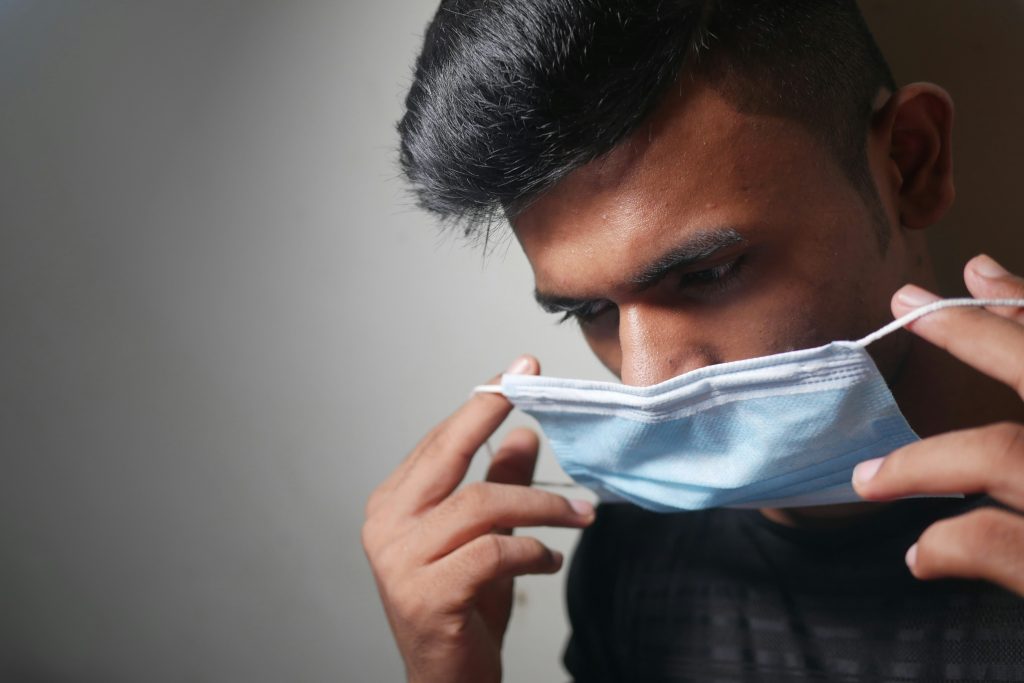
Preventing Hospital-Acquired Infections (HAIs)
Hospital-acquired infections (HAIs) are among the most preventable threats in healthcare. Although these infections remain a serious concern worldwide, many can be significantly reduced through effective infection prevention strategies, staff awareness, modern healthcare technology, and strong safety protocols.
Healthcare organizations increasingly recognize that prevention is far better than treatment. A single preventable infection can increase patient suffering, prolong hospitalization, raise healthcare expenses, and place additional pressure on healthcare systems.
Preventing hospital-acquired infections requires a combined effort from:
- Doctors
- Nurses
- Pharmacists
- Infection control teams
- Hospital administrators
- Patients and family caregivers
The goal is simple: create a safer healthcare environment where patients can heal without unnecessary complications.
1. Hand Hygiene: The First Line of Defense
One of the most effective ways to prevent hospital-acquired infections is proper hand hygiene.
Healthcare workers interact with multiple patients daily, making hand cleanliness essential for infection prevention.
Hands can easily spread dangerous microorganisms from:
- Patients
- Medical equipment
- Hospital surfaces
- Medical waste
- Respiratory droplets
Without proper hygiene, bacteria and viruses can move quickly throughout healthcare settings.
Why Hand Hygiene Matters
Healthcare professionals touch wounds, surgical sites, intravenous lines, catheters, and medical devices. If hands are contaminated, pathogens may enter a patient’s body and cause infection.
Research consistently shows that poor handwashing practices increase infection rates.
Simple handwashing can dramatically reduce healthcare-associated infections.
Effective Hand Hygiene Practices
Healthcare providers should wash hands:
- Before touching patients
- After patient contact
- Before medical procedures
- After exposure to bodily fluids
- After touching medical equipment
- After removing gloves
Hospitals commonly use:
Soap and Water
Essential when hands are visibly dirty.
Alcohol-Based Hand Sanitizers
Quick and effective for routine disinfection.
Healthcare facilities also place hand sanitizing stations throughout hospitals to encourage compliance.
2. Sterilization and Disinfection of Medical Equipment
Medical tools and equipment must remain clean and sterile.
Improperly sterilized equipment can expose patients to dangerous infections.
Medical instruments used during surgeries, procedures, or examinations can carry harmful microorganisms if not cleaned correctly.
Examples include:
- Surgical instruments
- Catheters
- Endoscopes
- Ventilators
- IV equipment
- Diagnostic devices
Importance of Sterilization
Sterilization eliminates harmful microorganisms, including:
- Bacteria
- Viruses
- Fungi
- Spores
Without proper sterilization, infections may spread rapidly in healthcare settings.
Common Sterilization Methods
Heat Sterilization
Used for surgical instruments.
Chemical Disinfection
Applied to sensitive equipment.
Ultraviolet (UV) Disinfection
Used in some healthcare environments.
Disposable Medical Equipment
Single-use products reduce contamination risk.
Healthcare organizations must regularly inspect cleaning procedures to maintain safety standards.
3. Proper Use of Personal Protective Equipment (PPE)
Personal protective equipment plays a major role in infection prevention.
Healthcare workers often encounter infectious diseases, bodily fluids, and airborne pathogens.
PPE acts as a protective barrier.
Examples include:
- Gloves
- Masks
- Face shields
- Gowns
- Protective eyewear
Why PPE Matters
PPE protects both:
Healthcare Workers
By reducing exposure to infectious agents.
Patients
By preventing cross-contamination.
For example:
A doctor treating infectious patients should wear gloves and masks to avoid spreading harmful pathogens to others.
Improper PPE use can increase infection risk.
Hospitals must provide training to ensure healthcare workers know:
- When to wear PPE
- How to remove PPE safely
- How to dispose of contaminated items
4. Environmental Cleaning and Hospital Sanitation
A clean healthcare environment supports patient safety.
Hospital surfaces may carry harmful germs for long periods.
High-risk areas include:
- Patient beds
- Door handles
- Medical equipment
- Bathrooms
- ICU environments
Poor sanitation increases infection risk.
Key Hospital Cleaning Strategies
Healthcare facilities must:
Clean High-Touch Surfaces Frequently
Surfaces touched often require regular disinfection.
Maintain Clean Ventilation Systems
Proper airflow reduces airborne infection spread.
Dispose of Medical Waste Properly
Contaminated waste must be safely managed.
Ensure Water Safety
Unsafe water systems can spread infections.
A clean hospital environment directly improves healthcare quality.
5. Catheter and Device Safety
Medical devices help save lives but may also increase infection risk.
Examples include:
- Urinary catheters
- Ventilators
- Intravenous lines
If devices remain in the body too long or are handled incorrectly, infections may develop.
Prevention Strategies
Healthcare professionals should:
- Use devices only when necessary
- Remove them as soon as possible
- Follow sterile insertion techniques
- Monitor patients regularly
Device-associated infections are highly preventable with proper care.
6. Antibiotic Stewardship Programs
Antibiotics are essential in treating infections.
However, excessive or improper antibiotic use creates major healthcare challenges.
Overuse contributes to:
Antibiotic Resistance
This occurs when bacteria evolve and become harder to kill.
Drug-resistant infections are dangerous because treatments become less effective.
Healthcare organizations now focus on:
Antibiotic Stewardship
This involves:
- Prescribing antibiotics only when needed
- Choosing the right medicine
- Using correct dosages
- Limiting unnecessary antibiotic use
Responsible antibiotic practices improve patient safety and healthcare quality.
Understanding Medication Errors in Healthcare
Medication errors are one of the most common patient safety concerns worldwide.
These preventable mistakes can happen at any stage of medication management.
Medication errors may involve:
- Wrong medicine
- Wrong patient
- Wrong dosage
- Wrong timing
- Incorrect instructions
Some medication mistakes are harmless, but others can result in severe complications or death.
Patient safety systems aim to reduce these preventable errors.
Why Medication Errors Matter
Medicines are designed to heal patients.
However, when medication mistakes occur, patients may experience:
- Allergic reactions
- Organ damage
- Drug toxicity
- Treatment failure
- Severe complications
Medication errors may also increase:
- Hospital admissions
- Healthcare costs
- Emotional distress
Reducing these mistakes improves healthcare quality significantly.
Types of Medication Errors
Medication errors can happen at different stages of treatment.
1. Prescribing Errors
These occur when doctors prescribe:
- Wrong medication
- Incorrect dosage
- Unsafe combinations
For example:
A patient allergic to penicillin accidentally receives a penicillin-based medication.
This could result in serious allergic reactions.
Causes of Prescribing Errors
- Incomplete patient history
- Poor communication
- Similar drug names
- Heavy workloads
Electronic prescribing systems help reduce mistakes.
2. Dispensing Errors
Pharmacists may accidentally provide:
- Incorrect medication
- Wrong dosage
- Incorrect instructions
Similar packaging increases confusion.
For example:
Two medications with nearly identical names may be mixed up.
Double-checking procedures reduce risks.
3. Administration Errors
These occur during medicine delivery.
Examples include:
- Wrong patient receives medication
- Wrong dose administered
- Incorrect timing
Nurses play a major role in preventing these mistakes.
Many hospitals follow the:
Five Rights of Medication Safety
Healthcare workers verify:
Right Patient
Right Medication
Right Dose
Right Route
Right Time
Following these principles improves patient safety.
4. Monitoring Errors
Some medications require close observation.
Without proper monitoring, complications may go unnoticed.
Examples include:
- Blood pressure medicines
- Diabetes medications
- Blood thinners
Healthcare providers must monitor patient reactions carefully.
Causes of Medication Errors
Medication errors happen for many reasons.
1. Poor Communication
Miscommunication between healthcare teams creates confusion.
Examples:
- Missing patient records
- Incomplete instructions
- Misread handwriting
Electronic health systems reduce misunderstandings.
2. Fatigue and Burnout
Healthcare workers often face:
- Long shifts
- Staff shortages
- High workloads
Fatigue increases human error.
Supporting healthcare staff improves safety.
3. Similar Drug Names
Some medicines sound alike.
This can confuse providers.
Proper labeling helps prevent mistakes.
4. Incomplete Patient Information
Missing information about:
- Allergies
- Existing medications
- Chronic illnesses
can increase medication risks.
Healthcare providers must gather complete patient histories.
Strategies to Reduce Medication Errors
Reducing medication mistakes requires strong systems and teamwork.
1. Electronic Prescribing Systems
Digital prescriptions reduce handwriting errors.
Benefits include:
- Better accuracy
- Drug interaction alerts
- Faster communication
Technology supports safer healthcare.
2. Barcoding Systems
Many hospitals use barcode scanning.
Healthcare providers scan:
- Patient wristbands
- Medication packages
This confirms the correct medicine reaches the correct patient.
3. Medication Reconciliation
This process checks all patient medications.
Healthcare providers compare:
- Current medicines
- Previous prescriptions
- New treatments
This prevents harmful drug interactions.
4. Staff Training and Education
Healthcare professionals require ongoing education.
Training improves:
- Medication knowledge
- Patient communication
- Error prevention
Continuous learning strengthens healthcare quality.
The Role of Technology in Patient Safety
Technology is transforming healthcare quality.
Modern healthcare systems increasingly rely on:
- Artificial intelligence
- Electronic health records
- Smart monitoring systems
- Automated alerts
Technology improves:
Accuracy
Reducing human error.
Communication
Sharing patient data quickly.
Monitoring
Tracking patient conditions in real time.
Decision-Making
Supporting better clinical judgment.
For example:
AI systems may identify dangerous medication interactions before harm occurs.
Technology cannot replace healthcare professionals, but it strengthens patient safety.
Creating a Culture of Safety in Healthcare
Patient safety depends on organizational culture.
Hospitals must encourage:
Open Communication
Staff should report concerns without fear.
Accountability
Mistakes should become learning opportunities.
Teamwork
Healthcare professionals must collaborate effectively.
Continuous Improvement
Healthcare systems should constantly improve processes.
A strong safety culture leads to better patient outcomes.
Part 3: Preventing Hospital-Acquired Infections, Reducing Medication Errors, and Strengthening Safety Protocols in Healthcare
Safety Protocols in Healthcare
Safety protocols in healthcare are structured guidelines, policies, and practices designed to reduce risks, prevent medical errors, and protect both patients and healthcare workers.
Healthcare environments are complex and often fast-paced. Hospitals manage thousands of patient interactions, surgeries, medication administrations, and emergency procedures daily. Without proper safety systems, even small mistakes can lead to severe consequences.
Safety protocols create a standardized approach to healthcare delivery, helping medical professionals provide consistent and reliable care.
These protocols improve:
- Patient safety
- Healthcare quality
- Staff coordination
- Treatment effectiveness
- Emergency preparedness
- Infection prevention
Most importantly, they help healthcare organizations reduce preventable harm.
Why Safety Protocols Matter in Healthcare
Healthcare systems are responsible for human lives. A single mistake may affect patient recovery or survival.
Safety protocols matter because they:
Reduce Medical Errors
Clear procedures help healthcare professionals avoid mistakes.
Improve Communication
Healthcare teams work better when guidelines are standardized.
Increase Patient Confidence
Patients trust healthcare providers when safety measures are visible.
Support Better Outcomes
Safer systems improve recovery and reduce complications.
Strengthen Healthcare Quality
Quality healthcare depends on safe practices.
Without protocols, hospitals may experience:
- Increased infection rates
- Medication mistakes
- Miscommunication
- Surgical errors
- Delayed treatment
Healthcare safety protocols are essential for modern medical systems.
Common Safety Protocols in Healthcare
Healthcare organizations use multiple safety systems to protect patients.
Below are some of the most important healthcare safety protocols.
1. Patient Identification Protocols
One of the most common causes of healthcare errors is patient misidentification.
Imagine receiving treatment intended for someone else.
This can lead to:
- Wrong medication
- Incorrect surgery
- Diagnostic errors
- Blood transfusion mistakes
To prevent this, hospitals follow patient identification protocols.
How It Works
Healthcare providers verify:
Patient Name
Date of Birth
Hospital Identification Number
Hospitals often use:
- Wristbands
- Digital records
- Barcode systems
Healthcare workers confirm patient identity before:
- Giving medication
- Drawing blood
- Performing surgery
- Conducting medical tests
This simple protocol prevents serious mistakes.
2. Hand Hygiene Protocols
As discussed in Part 2, hand hygiene remains one of the most effective infection prevention strategies.
Hospitals enforce strict handwashing protocols.
Healthcare workers must sanitize hands:
- Before patient contact
- After patient contact
- Before procedures
- After touching contaminated surfaces
Many hospitals monitor hand hygiene compliance to improve infection control.
3. Surgical Safety Protocols
Surgery carries unavoidable risks, but many complications are preventable.
Healthcare systems now use surgical safety checklists to improve outcomes.
Surgical Safety Measures Include:
Correct Patient Verification
Ensuring the correct person receives surgery.
Correct Procedure Confirmation
Verifying the intended operation.
Correct Surgical Site Marking
Preventing wrong-site surgery.
Sterile Equipment Preparation
Reducing infection risks.
Team Briefings
Improving communication among surgical teams.
Surgical safety checklists have significantly reduced complications worldwide.
4. Medication Safety Protocols
Medication safety systems reduce prescription and administration mistakes.
Hospitals use protocols such as:
Double-Checking Medications
Healthcare professionals confirm medications before administration.
Allergy Verification
Doctors review allergies before prescribing medicine.
Barcode Medication Systems
Technology verifies patient and medicine accuracy.
Safe Storage Practices
Medications remain organized and clearly labeled.
Medication safety protocols save lives daily.
5. Infection Prevention Protocols
Preventing infection is central to patient safety.
Healthcare organizations implement protocols involving:
- Handwashing
- Surface cleaning
- Equipment sterilization
- Isolation procedures
- PPE usage
Patients with contagious illnesses may be placed in isolation rooms to reduce disease spread.
Healthcare staff receive training on infection prevention measures regularly.
6. Fall Prevention Protocols
Patient falls are a major safety issue, especially among older adults.
Hospital falls can cause:
- Fractures
- Head injuries
- Longer recovery times
Healthcare facilities reduce risks through:
Fall Risk Assessments
Patients at high risk are identified early.
Bed Rails
Used when necessary for safety.
Non-Slip Flooring
Reducing slipping hazards.
Mobility Assistance
Healthcare workers assist vulnerable patients.
Preventing falls improves healthcare outcomes.
Patient-Centered Care and Healthcare Quality
Modern healthcare increasingly focuses on patient-centered care.
This approach places patients at the center of healthcare decisions.
Instead of treating diseases alone, healthcare providers focus on:
- Patient preferences
- Emotional well-being
- Communication
- Individual needs
Patient-centered care improves both safety and healthcare quality.
Why Patient-Centered Care Matters
Patients are more likely to follow treatment plans when they understand and trust healthcare professionals.
Good communication reduces:
- Confusion
- Medication mistakes
- Anxiety
- Misunderstandings
For example:
A doctor explaining medication instructions clearly reduces misuse.
Patient-centered care improves satisfaction and outcomes.
Key Elements of Patient-Centered Care
Respect
Healthcare providers respect patient preferences and dignity.
Communication
Doctors explain treatment plans clearly.
Emotional Support
Healthcare professionals address patient concerns.
Shared Decision-Making
Patients participate in healthcare choices.
Family Involvement
Family members may assist with care decisions.
Healthcare becomes safer when patients are active participants.
The Role of Leadership in Patient Safety
Strong leadership shapes healthcare quality.
Hospital leaders influence:
- Safety culture
- Staff performance
- Quality standards
- Resource management
Healthcare executives play an important role in reducing medical harm.
How Leaders Improve Patient Safety
Staff Training
Hospitals invest in education programs.
Encouraging Reporting
Healthcare workers should report safety concerns without fear.
Supporting Technology
Hospitals adopt safer digital systems.
Building Accountability
Leaders promote responsibility at every level.
Organizations with strong leadership often experience better healthcare outcomes.
Challenges Affecting Healthcare Quality and Patient Safety
Despite progress, healthcare systems still face major challenges.
1. Staff Shortages
Healthcare professionals often work under pressure.
Staff shortages may lead to:
- Burnout
- Fatigue
- Delayed care
- Increased mistakes
Supporting healthcare workers improves patient safety.
2. Rising Healthcare Costs
Modern healthcare technologies are expensive.
Some facilities struggle to afford:
- Advanced safety equipment
- Staff training
- Updated technology
Financial limitations can affect healthcare quality.
3. Antibiotic Resistance
Overuse of antibiotics continues to create resistant bacteria.
Drug-resistant infections are increasingly difficult to treat.
Healthcare organizations must strengthen antibiotic stewardship.
4. Communication Barriers
Language differences and poor communication create misunderstandings.
Clear communication improves safety.
Hospitals increasingly use translators and digital communication tools.
5. Technological Challenges
Technology improves care, but implementation may be difficult.
Challenges include:
- High costs
- Staff training requirements
- Data privacy concerns
Healthcare organizations must balance innovation with patient protection.
Future Trends in Patient Safety and Healthcare Quality
Healthcare continues evolving rapidly.
Several trends are expected to shape patient safety in coming years.
1. Artificial Intelligence in Healthcare
AI is helping healthcare professionals:
- Detect diseases earlier
- Predict complications
- Reduce medication errors
AI supports better decision-making.
2. Smart Patient Monitoring
Wearable devices and remote monitoring improve patient observation.
Doctors can monitor:
- Heart rate
- Blood pressure
- Oxygen levels
Real-time monitoring improves safety.
3. Telemedicine Expansion
Virtual healthcare improves access to care.
Telemedicine supports:
- Faster consultations
- Better chronic disease management
- Reduced hospital crowding
4. Personalized Medicine
Healthcare increasingly focuses on individualized treatment plans.
Personalized medicine improves:
- Treatment effectiveness
- Medication accuracy
- Patient satisfaction
The Shared Responsibility of Patient Safety
Patient safety is not only the responsibility of doctors or nurses.
Everyone contributes:
Healthcare Workers
Follow safety guidelines.
Administrators
Provide safe systems.
Patients
Ask questions and share concerns.
Families
Support treatment adherence.
Safe healthcare requires teamwork.
Patients should actively participate by:
- Understanding medications
- Asking questions
- Reporting symptoms
- Following treatment plans
Patient involvement improves healthcare outcomes.
Conclusion
Patient safety and healthcare quality are fundamental to effective healthcare systems. Every patient deserves care that heals rather than harms. From preventing hospital-acquired infections to reducing medication errors and strengthening healthcare safety protocols, every step matters in creating safer healthcare environments.
Healthcare quality depends on more than advanced technology or modern hospitals. It depends on systems that prioritize safety, teamwork, accountability, communication, and continuous improvement.
Hospital-acquired infections continue to challenge healthcare systems, but proper hygiene, sterilization, and infection control measures can significantly reduce risks. Medication errors also remain a serious issue, yet technology, education, and standardized procedures are helping healthcare providers deliver safer care.
Safety protocols—including patient identification, medication verification, surgical checklists, and fall prevention—play an essential role in reducing preventable harm.
As healthcare continues to evolve, innovations such as artificial intelligence, telemedicine, wearable monitoring devices, and personalized medicine will further strengthen patient safety and healthcare quality.
Ultimately, patient safety is everyone’s responsibility. Healthcare providers, leaders, patients, and families must work together to build healthcare systems that are safer, smarter, and more effective for future generations.
Frequently Asked Questions (FAQs)
1. What is patient safety in healthcare?
Patient safety refers to the prevention of avoidable harm, medical errors, and complications during healthcare treatment. It involves implementing systems, protocols, and practices that reduce risks to patients while receiving care in hospitals, clinics, nursing homes, and other healthcare settings.
The primary goal of patient safety is to ensure that patients receive effective medical treatment without suffering preventable injuries, infections, medication mistakes, or unnecessary complications. Healthcare professionals improve patient safety through infection prevention, proper medication management, communication, and quality improvement systems.
2. Why is patient safety important in healthcare?
Patient safety is important because healthcare systems are meant to heal patients, not expose them to additional risks. Unsafe healthcare can result in serious consequences, including infections, medication errors, delayed treatment, surgical complications, disability, and even death.
Strong patient safety practices help:
- Protect patient lives
- Improve recovery outcomes
- Reduce medical complications
- Increase patient trust
- Lower healthcare costs
- Enhance healthcare quality
When patient safety is prioritized, healthcare organizations can deliver better treatment experiences and improve public confidence.
3. What is healthcare quality?
Healthcare quality refers to how effectively healthcare services improve patient health outcomes while maintaining safety, efficiency, effectiveness, and patient-centered care.
High-quality healthcare includes:
Safe Care
Preventing avoidable harm and reducing risks.
Effective Treatment
Using evidence-based medical approaches.
Timely Care
Providing treatment without harmful delays.
Efficient Services
Reducing waste and unnecessary procedures.
Equitable Healthcare
Offering fair treatment to all patients.
Patient-Centered Care
Respecting individual patient needs and preferences.
Healthcare quality and patient safety work together to create better treatment outcomes.
4. What is the relationship between patient safety and healthcare quality?
Patient safety and healthcare quality are closely connected. Patient safety is considered one of the most important components of healthcare quality.
A healthcare system cannot be considered high-quality if patients frequently experience:
- Medication errors
- Misdiagnosis
- Hospital-acquired infections
- Surgical mistakes
- Communication failures
Safe healthcare practices directly improve treatment success, patient satisfaction, and recovery outcomes.
5. What are hospital-acquired infections (HAIs)?
Hospital-acquired infections, also known as healthcare-associated infections (HAIs), are infections patients develop while receiving medical treatment in healthcare settings.
These infections are not present when the patient first enters the hospital.
HAIs may occur in:
- Hospitals
- Surgical centers
- Clinics
- Nursing homes
- Rehabilitation facilities
These infections can delay recovery, increase healthcare costs, and sometimes become life-threatening.
6. What causes hospital-acquired infections?
Hospital-acquired infections occur due to several preventable and unavoidable factors.
Common causes include:
Poor Hand Hygiene
Healthcare workers failing to wash hands properly.
Contaminated Medical Equipment
Improperly sterilized instruments may carry bacteria.
Overcrowded Healthcare Facilities
High patient numbers increase infection spread.
Weak Immune Systems
Certain patients are more vulnerable.
Improper Use of Medical Devices
Catheters and IV lines can introduce bacteria.
Poor Infection Control Practices
Weak sanitation protocols increase risks.
Healthcare organizations must continuously monitor infection prevention systems.
7. What are the most common types of hospital-acquired infections?
Several types of hospital-acquired infections commonly occur in healthcare settings.
Urinary Tract Infections (UTIs)
Often caused by urinary catheters.
Surgical Site Infections (SSIs)
Develop after surgery near surgical wounds.
Bloodstream Infections
Caused by bacteria entering through IV lines.
Hospital-Acquired Pneumonia
Frequently affects ventilated patients.
Gastrointestinal Infections
May spread through contaminated surfaces or poor hygiene.
These infections can range from mild to severe.
8. How can hospital-acquired infections be prevented?
Hospital-acquired infections can often be prevented through strong infection control practices.
Key prevention methods include:
- Proper hand hygiene
- Sterilization of equipment
- Environmental cleaning
- Safe catheter management
- Use of personal protective equipment (PPE)
- Isolation precautions for contagious patients
- Staff education and training
Hospitals that enforce strict infection control policies generally report lower infection rates.
9. Why is hand hygiene important in healthcare?
Hand hygiene is one of the simplest and most effective ways to prevent infection spread.
Healthcare professionals interact with many patients daily and may transfer harmful germs through contact.
Handwashing helps prevent:
- Cross-contamination
- Infection spread
- Hospital-acquired infections
- Dangerous complications
Healthcare workers should clean hands before and after patient contact, procedures, and exposure to contaminated surfaces.
10. What are medication errors in healthcare?
Medication errors are preventable mistakes involving medicines that may harm patients.
These errors can occur during:
- Prescribing medication
- Dispensing medication
- Administering medicine
- Monitoring treatment
Examples include:
- Wrong medication
- Wrong dosage
- Incorrect patient
- Wrong timing
Medication errors remain one of the most common patient safety concerns globally.
11. What causes medication errors?
Medication errors happen for many reasons.
Common causes include:
Poor Communication
Misunderstandings among healthcare teams.
Similar Drug Names
Medications with similar labels may be confused.
Staff Fatigue
Long working hours increase mistakes.
Incomplete Patient Records
Missing allergy or medication history creates risks.
Handwriting Errors
Unreadable prescriptions can cause confusion.
Workload Pressure
Busy environments increase human error.
Healthcare systems increasingly use digital tools to reduce medication mistakes.
12. How can medication errors be reduced?
Healthcare organizations reduce medication errors using multiple safety measures.
These include:
Electronic Prescribing Systems
Reducing handwriting-related mistakes.
Barcode Medication Verification
Confirming correct medication for the correct patient.
Medication Reconciliation
Reviewing all patient medications carefully.
Staff Training Programs
Improving medication knowledge.
Allergy Checks
Preventing dangerous drug reactions.
Double-Checking Systems
Verifying medications before administration.
These systems significantly improve medication safety.
13. What are safety protocols in healthcare?
Safety protocols are standardized rules and procedures designed to protect patients and healthcare workers from preventable harm.
These protocols help reduce:
- Medical errors
- Surgical complications
- Infection risks
- Medication mistakes
Healthcare organizations follow structured safety systems to improve healthcare quality.
14. What are common safety protocols used in hospitals?
Hospitals use many safety measures.
Examples include:
Patient Identification Systems
Confirming patient identity before treatment.
Surgical Safety Checklists
Reducing surgical errors.
Hand Hygiene Protocols
Preventing infection spread.
Medication Safety Systems
Reducing prescription errors.
Fall Prevention Programs
Protecting vulnerable patients.
Emergency Response Systems
Managing critical situations effectively.
Safety protocols create safer healthcare environments.
15. How do hospitals prevent surgical errors?
Hospitals reduce surgical mistakes through strict protocols.
These include:
- Confirming patient identity
- Marking surgical sites
- Verifying procedures
- Sterilizing equipment
- Conducting surgical team checklists
Modern surgical safety systems have significantly lowered preventable complications.
16. Why is patient-centered care important?
Patient-centered care focuses on patient needs, preferences, and communication.
This approach improves:
- Patient trust
- Treatment adherence
- Healthcare satisfaction
- Emotional well-being
Patients who understand treatment plans are more likely to follow medical advice.
Patient involvement also improves safety.
17. How does technology improve patient safety?
Technology has transformed healthcare quality.
Modern tools improve:
Diagnosis Accuracy
AI helps identify diseases earlier.
Medication Safety
Digital systems prevent prescription mistakes.
Patient Monitoring
Real-time health tracking improves care.
Communication
Electronic health records improve coordination.
Healthcare technology reduces human error and improves outcomes.
18. What role does leadership play in healthcare quality?
Healthcare leaders strongly influence patient safety.
Hospital management improves healthcare quality through:
- Staff education
- Better communication systems
- Technology investments
- Strong safety cultures
Good leadership encourages continuous improvement and accountability.
19. What challenges affect patient safety?
Healthcare systems face many challenges, including:
- Staff shortages
- Healthcare worker burnout
- Rising healthcare costs
- Antibiotic resistance
- Poor communication
- Technology implementation issues
Overcoming these challenges requires teamwork and policy improvements.
20. What is antibiotic resistance and why is it dangerous?
Antibiotic resistance happens when bacteria become stronger and stop responding to medicines.
This makes infections harder to treat.
Antibiotic resistance can lead to:
- Longer illness
- Higher healthcare costs
- Treatment failure
- Increased mortality risk
Responsible antibiotic use is essential.
21. How can patients contribute to their own safety?
Patients play an important role in healthcare safety.
Patients can improve safety by:
- Asking questions
- Sharing medical history
- Reporting allergies
- Following treatment instructions
- Understanding medications
Active patient participation reduces misunderstandings and medical risks.
22. What are future trends in patient safety?
Healthcare is rapidly evolving.
Future patient safety trends include:
- Artificial intelligence in healthcare
- Smart wearable monitoring devices
- Telemedicine growth
- Personalized medicine
- Predictive healthcare analytics
These technologies are expected to improve healthcare quality significantly.
23. Why should healthcare quality improvement remain a priority?
Healthcare quality improvement saves lives and improves treatment success.
Continuous improvement helps healthcare organizations:
- Reduce risks
- Improve patient outcomes
- Lower healthcare costs
- Increase patient trust
- Strengthen healthcare systems
Patient safety and healthcare quality will remain essential priorities for the future of medicine.