
Table Of Contents
- Introduction
- What Is a Holistic Approach in Healthcare?
- Why Healthcare Systems Need Improvement in 2026
- Core Principles of a Holistic Approach
- The Evolution of Patient-Centered Care
- Physical Health and Preventive Medicine
- Mental and Emotional Well-Being in Healthcare
- Nutrition as a Pillar of Healthcare Improvement
- Lifestyle Medicine and Disease Prevention
- Digital Health and Healthcare Technology
- Artificial Intelligence in Patient Care
- Personalized and Precision Medicine
- Community-Based Healthcare Solutions
- Social Determinants of Health
- Integrative and Complementary Medicine
- Healthcare Workforce Wellness
- Health Equity and Accessibility
- Sustainability in Healthcare Systems
- Benefits of a Holistic Approach
- Challenges and Solutions
- Future Trends in Healthcare Beyond 2026
- Conclusion
- Frequently Asked Questions
Introduction
Healthcare systems around the world are undergoing a significant transformation. Rapid technological advancement, rising healthcare costs, increasing rates of chronic disease, and growing mental health concerns have highlighted the limitations of traditional healthcare models. In 2026, healthcare leaders, policymakers, and medical professionals are increasingly embracing a holistic approach to healthcare improvement as a solution to many of these challenges.
A holistic approach recognizes that health is not simply the absence of disease. Instead, it encompasses physical, mental, emotional, social, environmental, and even economic factors that collectively influence an individual’s well-being. Rather than focusing solely on symptoms, holistic healthcare seeks to identify root causes, prevent illness, and improve quality of life through comprehensive and patient-centered strategies.
Patients today expect more than quick diagnoses and prescriptions. They seek healthcare systems that understand their unique circumstances, support their mental and emotional health, encourage preventive measures, and empower them to actively participate in their healthcare journey. As a result, healthcare organizations worldwide are redesigning services around the concept of whole-person care.
The holistic approach is becoming increasingly important because modern health challenges are often interconnected. Conditions such as diabetes, obesity, cardiovascular disease, anxiety, and depression are influenced by numerous lifestyle, environmental, and social factors. Addressing these conditions effectively requires more than medical intervention—it requires a comprehensive strategy that supports every aspect of health.
This article explores how a holistic approach is transforming patient care in 2026 and shaping the future of healthcare systems globally.

What Is a Holistic Approach in Healthcare?
A holistic approach in healthcare refers to treating the whole person rather than focusing exclusively on a specific illness or symptom. It recognizes that physical health is closely connected to emotional, mental, social, and environmental well-being.
Traditional healthcare models often focus on diagnosing and treating diseases after they occur. While these methods remain essential, they may not address the underlying causes that contribute to poor health. A holistic approach seeks to understand the complete picture of a patient’s life and health circumstances.
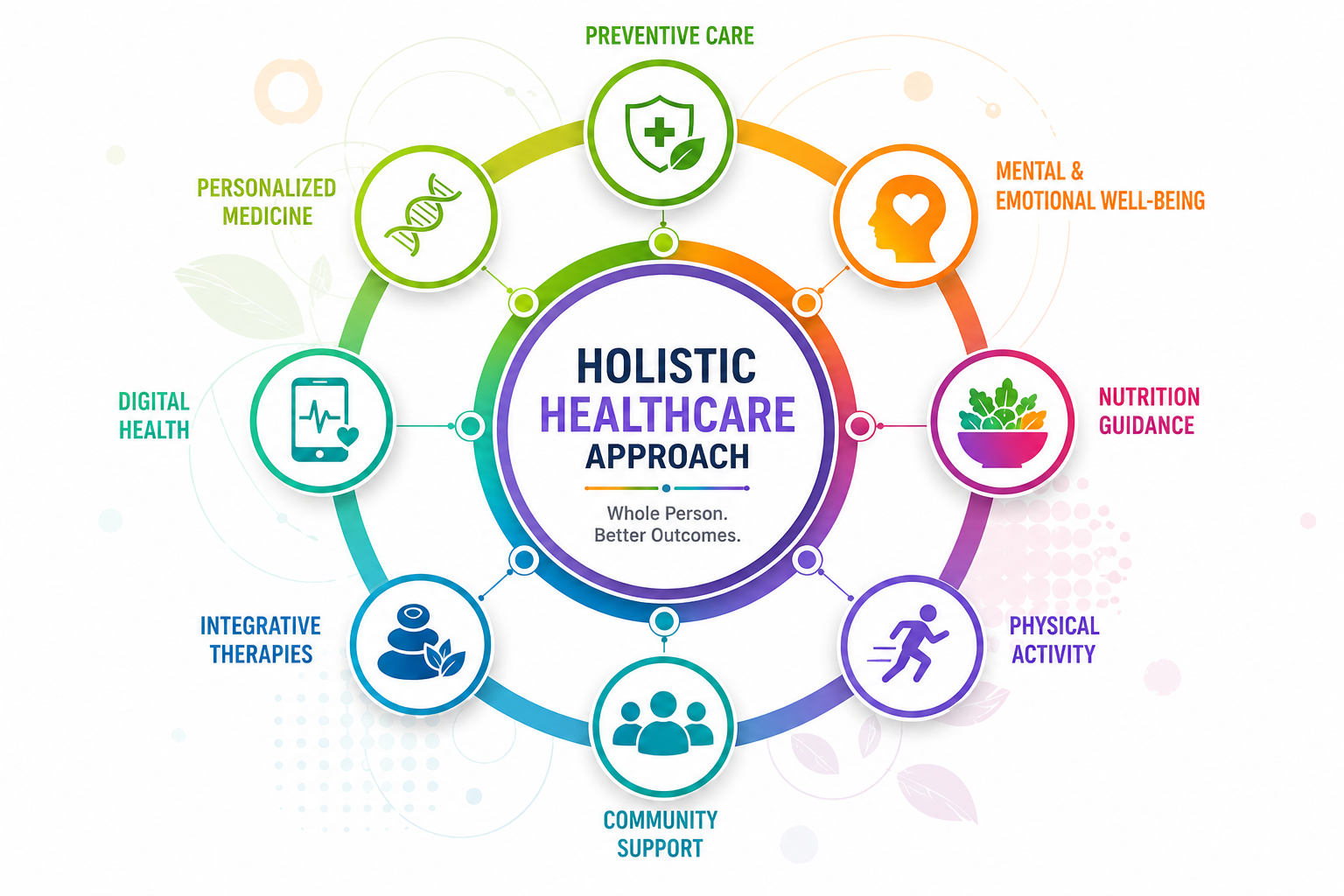
Healthcare providers using a holistic approach consider factors such as:
- Physical health status
- Mental health conditions
- Emotional well-being
- Nutrition and dietary habits
- Physical activity levels
- Sleep quality
- Social relationships
- Financial stability
- Environmental influences
- Occupational stress
- Community support systems
For example, a patient with hypertension may receive medication under a traditional healthcare model. Under a holistic approach, healthcare providers may also evaluate the patient’s diet, stress levels, sleep patterns, physical activity, workplace pressures, and emotional health to create a comprehensive treatment plan.
The goal is not only to manage disease but also to improve overall quality of life and long-term wellness.
Why Healthcare Systems Need Improvement in 2026
Healthcare systems face several challenges that demand innovative solutions.
Rising Chronic Diseases
Chronic illnesses continue to account for a significant proportion of healthcare expenditures worldwide. Conditions such as:
- Type 2 diabetes
- Heart disease
- Hypertension
- Obesity
- Chronic respiratory diseases
- Arthritis
are increasing due to sedentary lifestyles, unhealthy diets, stress, and aging populations.
A holistic approach focuses on prevention and lifestyle modification, helping reduce the burden of chronic disease.
Mental Health Crisis
Mental health disorders have become one of the most pressing public health issues globally. Anxiety, depression, burnout, and loneliness affect millions of individuals and significantly impact physical health outcomes.
Healthcare systems that integrate mental health services into routine care achieve better patient outcomes and higher satisfaction rates.
Escalating Healthcare Costs
Healthcare expenditures continue to rise due to:
- Expensive medical technologies
- Increased demand for services
- Aging populations
- Chronic disease management
Preventive and holistic healthcare strategies can reduce long-term costs by preventing illness and minimizing hospital admissions.
Growing Patient Expectations
Patients increasingly expect:
- Personalized treatment plans
- Digital healthcare access
- Better communication
- Convenient services
- Collaborative decision-making
A holistic approach aligns with these expectations by placing patients at the center of care.
Core Principles of a Holistic Approach
Several foundational principles guide holistic healthcare systems.
Patient-Centered Care
Patient-centered care prioritizes the needs, preferences, and values of individuals. Healthcare providers work collaboratively with patients to develop treatment plans tailored to their unique circumstances.
Prevention Over Treatment
Prevention remains one of the most effective healthcare strategies. A holistic approach emphasizes:
- Regular screenings
- Vaccinations
- Healthy lifestyle education
- Risk factor reduction
- Early intervention
Integration of Services
Holistic healthcare encourages collaboration among:
- Physicians
- Nurses
- Psychologists
- Dietitians
- Physical therapists
- Social workers
- Community health professionals
Integrated care ensures comprehensive support for patients.
Whole-Person Assessment
Healthcare providers evaluate all factors influencing health rather than focusing exclusively on symptoms or diagnoses.
This comprehensive assessment leads to more effective treatment plans and improved patient outcomes.
The Evolution of Patient-Centered Care
Patient-centered care has emerged as a cornerstone of healthcare improvement in 2026.
Historically, healthcare decisions were often provider-driven. Today, patients play a more active role in their care. This shift improves trust, engagement, treatment adherence, and overall satisfaction.
Patient-centered care includes:
- Shared decision-making
- Transparent communication
- Personalized treatment plans
- Respect for cultural preferences
- Ongoing education and support
When patients feel heard and involved, healthcare outcomes improve significantly.
Physical Health and Preventive Medicine
Physical health remains a critical component of a holistic approach.
Healthcare systems increasingly emphasize preventive strategies that help individuals maintain wellness and avoid disease.
Key preventive measures include:
Regular Health Screenings
Early detection improves outcomes for many conditions including:
- Cancer
- Diabetes
- Hypertension
- Heart disease
Vaccination Programs
Vaccinations remain one of the most effective public health interventions for preventing infectious diseases.
Exercise Promotion
Regular physical activity supports:
- Cardiovascular health
- Weight management
- Mental well-being
- Immune function
- Longevity
Sleep Optimization
Quality sleep influences:
- Hormonal balance
- Cognitive performance
- Emotional regulation
- Immune system function
Healthcare providers increasingly incorporate sleep assessments into routine care.
Mental and Emotional Well-Being in Healthcare
One of the most significant developments in healthcare improvement during 2026 is the recognition that mental health is inseparable from physical health. A truly holistic approach acknowledges that emotional and psychological well-being directly influence physical health outcomes, treatment adherence, recovery rates, and overall quality of life.
For decades, healthcare systems treated physical and mental health as separate entities. However, growing evidence demonstrates strong connections between the mind and body. Chronic stress, anxiety, depression, and emotional trauma can contribute to numerous physical conditions, including heart disease, obesity, digestive disorders, weakened immunity, and chronic pain.
Why Mental Health Matters in a Holistic Approach
Mental health affects nearly every aspect of daily functioning. Individuals experiencing emotional distress often face challenges such as:
- Poor sleep quality
- Reduced physical activity
- Unhealthy eating habits
- Increased substance use
- Social isolation
- Difficulty following treatment plans
Healthcare systems that incorporate mental health services into routine care achieve better outcomes because they address both the symptoms and the underlying causes of illness.
Integrating Mental Health into Primary Care
Modern healthcare systems are increasingly embedding mental health professionals within primary care settings.
Benefits include:
- Earlier diagnosis of mental health conditions
- Improved access to care
- Reduced stigma
- Better coordination between providers
- More comprehensive treatment plans
Patients can receive support for anxiety, depression, stress management, and behavioral health concerns alongside treatment for physical conditions.
The Role of Stress Management
Chronic stress has become one of the most widespread health challenges of modern society.
Long-term stress contributes to:
- High blood pressure
- Heart disease
- Diabetes
- Digestive disorders
- Sleep disturbances
- Mental health disorders
A holistic approach promotes evidence-based stress reduction techniques such as:
Mindfulness Meditation
Mindfulness helps individuals become more aware of their thoughts and emotions while reducing stress and improving emotional resilience.
Deep Breathing Exercises
Controlled breathing techniques activate the body’s relaxation response and help reduce anxiety.
Physical Activity
Exercise releases endorphins that naturally improve mood and reduce stress levels.
Counseling and Therapy
Professional mental health support provides individuals with effective coping strategies and emotional support.
Nutrition as a Pillar of Healthcare Improvement
Nutrition is one of the most powerful yet underutilized tools in modern healthcare. Poor dietary habits contribute significantly to chronic diseases, making nutrition a central component of any holistic approach.
Healthcare systems increasingly recognize that food can serve both preventive and therapeutic functions.
The Connection Between Diet and Health
A healthy diet supports:
- Immune function
- Brain health
- Heart health
- Weight management
- Energy production
- Disease prevention
Conversely, poor nutrition increases the risk of:
- Obesity
- Type 2 diabetes
- Cardiovascular disease
- Certain cancers
- Inflammatory disorders
Personalized Nutrition
In 2026, healthcare providers are moving beyond generic dietary recommendations toward personalized nutrition plans.
Factors considered include:
- Age
- Gender
- Medical history
- Genetic predispositions
- Lifestyle habits
- Cultural preferences
- Food sensitivities
Personalized nutrition aligns perfectly with the holistic approach because it recognizes that every patient has unique nutritional needs.
Food as Preventive Medicine
Healthcare professionals increasingly prescribe dietary changes alongside medications.
Examples include:
Heart Health
Patients may be encouraged to consume:
- Fruits
- Vegetables
- Whole grains
- Healthy fats
- Lean proteins
Diabetes Management
Nutrition plans focus on:
- Blood sugar control
- Portion management
- Balanced carbohydrate intake
Inflammation Reduction
Anti-inflammatory diets may include:
- Fatty fish
- Nuts
- Seeds
- Berries
- Leafy greens
Lifestyle Medicine and Disease Prevention
Lifestyle medicine has become a major driver of healthcare improvement worldwide.
Rather than simply treating illness after it occurs, lifestyle medicine addresses the behaviors and habits that influence long-term health outcomes.
The Six Pillars of Lifestyle Medicine
Healthy Nutrition
Proper nutrition supports disease prevention and overall wellness.
Regular Physical Activity
Exercise reduces the risk of numerous chronic diseases and improves mental health.
Restorative Sleep
Quality sleep supports physical recovery and cognitive performance.
Stress Management
Effective stress reduction improves both mental and physical well-being.
Avoidance of Harmful Substances
Reducing tobacco, alcohol, and drug use significantly improves health outcomes.
Positive Social Connections
Strong social relationships contribute to emotional resilience and longevity.
Why Lifestyle Medicine Supports a Holistic Approach
Lifestyle medicine addresses root causes rather than symptoms alone.
Patients gain practical tools that empower them to:
- Improve health independently
- Prevent future illness
- Reduce reliance on medications
- Enhance overall quality of life
Digital Health and Healthcare Technology
Technology is transforming healthcare delivery at an unprecedented pace.
The integration of digital solutions supports a holistic approach by improving accessibility, personalization, and patient engagement.
Telehealth Expansion
Virtual healthcare services have become increasingly common.
Benefits include:
- Improved access to care
- Reduced travel requirements
- Greater convenience
- Better chronic disease monitoring
Telehealth particularly benefits rural and underserved populations.
Wearable Health Devices
Modern wearable devices track:
- Heart rate
- Sleep patterns
- Physical activity
- Blood oxygen levels
- Stress indicators
These technologies provide valuable insights that support preventive healthcare and patient self-management.
Remote Patient Monitoring
Healthcare providers can now monitor patients remotely, improving chronic disease management while reducing hospital visits.
Conditions commonly monitored include:
- Diabetes
- Heart disease
- Hypertension
- Respiratory disorders
Remote monitoring enables earlier intervention and improved outcomes.
Artificial Intelligence in Patient Care
Artificial Intelligence (AI) is revolutionizing healthcare systems in 2026.
When used responsibly, AI enhances the holistic approach by improving efficiency, accuracy, and personalization.
Early Disease Detection
AI systems analyze large amounts of health data to identify disease risks before symptoms appear.
Applications include:
- Cancer screening
- Heart disease prediction
- Diabetes risk assessment
- Mental health monitoring
Personalized Treatment Recommendations
AI helps healthcare providers create individualized care plans based on:
- Medical history
- Genetics
- Lifestyle factors
- Treatment responses
Administrative Efficiency
AI reduces administrative burdens by automating:
- Scheduling
- Documentation
- Billing processes
- Data management
This allows healthcare professionals to spend more time focusing on patient care.
Personalized and Precision Medicine
The future of healthcare lies in personalization.
A holistic approach recognizes that no two patients are exactly alike.
What Is Personalized Medicine?
Personalized medicine tailors healthcare interventions based on individual characteristics such as:
- Genetics
- Environment
- Lifestyle
- Medical history
This approach increases treatment effectiveness while reducing unnecessary interventions.
Benefits of Precision Medicine
Improved Treatment Outcomes
Therapies can be matched to patients most likely to benefit.
Reduced Side Effects
Targeted treatments minimize adverse reactions.
Better Preventive Strategies
Healthcare providers can identify risks earlier and implement preventive measures.
Personalized Healthcare Plans
Modern healthcare increasingly develops individualized plans that integrate:
- Nutrition
- Exercise
- Mental health support
- Medical treatments
- Preventive care strategies
This reflects the core philosophy of the holistic approach.
Community-Based Healthcare Solutions
Healthcare improvement extends beyond hospitals and clinics.
Communities play a critical role in promoting health and wellness.
Why Community Health Matters
Community-based healthcare helps address:
- Health disparities
- Access barriers
- Preventable diseases
- Public health challenges
Healthcare systems increasingly collaborate with local organizations to improve health outcomes.
Community Wellness Programs
Examples include:
- Fitness initiatives
- Nutrition education
- Smoking cessation programs
- Mental health support groups
- Chronic disease management workshops
These programs strengthen preventive healthcare efforts.
Community Health Workers
Community health workers serve as trusted links between healthcare systems and local populations.
They help:
- Educate patients
- Coordinate services
- Improve healthcare access
- Promote healthy behaviors
Building Healthier Communities Through a Holistic Approach
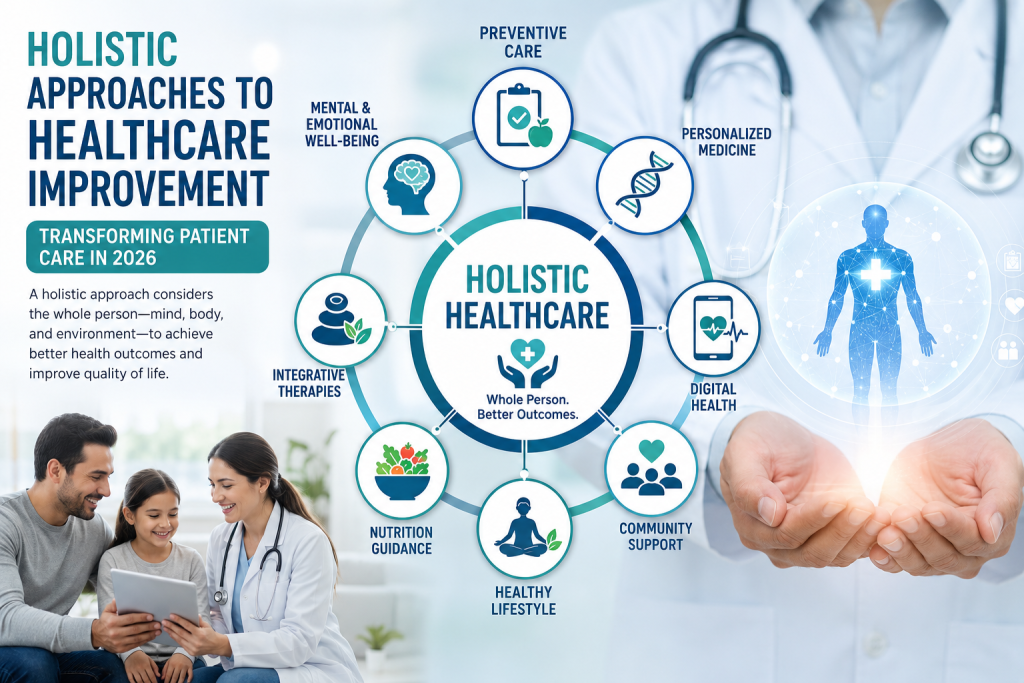
A holistic approach recognizes that healthcare improvement requires collaboration between:
- Healthcare providers
- Patients
- Families
- Schools
- Employers
- Governments
- Community organizations
By working together, these stakeholders can create environments that support lifelong health and wellness.
Social Determinants of Health: The Foundation of a Holistic Approach
A truly holistic approach to healthcare improvement extends far beyond hospitals, clinics, and medical treatments. Research consistently shows that many factors influencing health outcomes exist outside traditional healthcare settings.
These influences are known as Social Determinants of Health (SDOH).
Social determinants are the conditions in which people are born, grow, live, work, and age. They significantly impact an individual’s overall health, quality of life, and life expectancy.
Healthcare systems in 2026 increasingly recognize that medical care alone accounts for only a portion of health outcomes.
Major Social Determinants of Health
Economic Stability
Financial security affects access to:
- Nutritious food
- Safe housing
- Healthcare services
- Medications
- Transportation
Individuals experiencing financial hardship often face increased health risks.
Education Access and Quality
Education influences:
- Health literacy
- Employment opportunities
- Income levels
- Lifestyle choices
People with higher levels of education generally experience better health outcomes.
Healthcare Access
Access to affordable and quality healthcare remains a major challenge in many regions.
Barriers may include:
- Geographic distance
- Financial limitations
- Insurance issues
- Language differences
- Lack of healthcare providers
Neighborhood and Environment
Living environments directly affect health.
Factors include:
- Air quality
- Water quality
- Housing conditions
- Public safety
- Green spaces
- Transportation infrastructure
Social and Community Support
Strong social connections improve:
- Emotional well-being
- Mental health
- Recovery rates
- Longevity
Social isolation, on the other hand, increases health risks.
Why Social Determinants Matter
A patient with diabetes may receive excellent medical treatment. However, if they lack access to healthy food, transportation, or health education, managing the disease becomes significantly more difficult.
The holistic approach addresses these broader influences to achieve sustainable healthcare improvement.
Integrative and Complementary Medicine
Another important component of the holistic approach involves integrating evidence-based complementary therapies alongside conventional medical treatments.
Integrative medicine combines modern scientific medicine with supportive therapies that promote overall wellness.
The goal is not to replace conventional medicine but to enhance patient outcomes.
Common Integrative Therapies
Acupuncture
Acupuncture is increasingly used for:
- Chronic pain management
- Stress reduction
- Migraine relief
- Rehabilitation support
Massage Therapy
Massage therapy may help:
- Reduce muscle tension
- Improve circulation
- Lower stress levels
- Support recovery
Yoga
Yoga combines physical movement, breathing techniques, and mindfulness.
Benefits include:
- Improved flexibility
- Enhanced mental health
- Better stress management
- Reduced chronic pain
Meditation
Meditation supports emotional well-being by:
- Reducing anxiety
- Improving focus
- Enhancing resilience
- Promoting relaxation
Nutritional Counseling
Personalized dietary guidance helps patients make sustainable lifestyle improvements.
Integrative Medicine and Patient Satisfaction
Patients increasingly appreciate healthcare models that offer comprehensive wellness strategies rather than relying solely on medications and procedures.
Integrative medicine aligns naturally with the principles of a holistic approach by addressing physical, mental, and emotional needs simultaneously.

Healthcare Workforce Wellness
Healthcare professionals form the backbone of every healthcare system. Yet many providers experience significant workplace stress, burnout, and emotional exhaustion.
A holistic approach recognizes that improving patient care requires supporting healthcare workers as well.
The Growing Burnout Crisis
Healthcare workers face challenges such as:
- Long working hours
- Emotional strain
- Staff shortages
- Administrative burdens
- High patient volumes
Burnout affects:
- Job satisfaction
- Productivity
- Patient safety
- Quality of care
Creating Healthier Work Environments
Healthcare organizations are implementing wellness initiatives including:
Mental Health Support
Providing counseling services and psychological support for healthcare workers.
Flexible Scheduling
Improving work-life balance through more manageable schedules.
Wellness Programs
Programs focusing on:
- Physical fitness
- Stress management
- Nutrition
- Mindfulness
Leadership Support
Strong leadership fosters positive workplace culture and employee engagement.
Why Workforce Wellness Matters
Healthy healthcare workers deliver better care.
When providers experience improved well-being, healthcare systems benefit from:
- Higher retention rates
- Better patient outcomes
- Increased productivity
- Enhanced workplace morale
Supporting healthcare workers is therefore a critical aspect of healthcare improvement.
Health Equity and Accessibility
One of the primary goals of modern healthcare systems is ensuring that all individuals have fair opportunities to achieve optimal health.
Health equity means removing barriers that prevent people from accessing quality healthcare.
Understanding Health Disparities
Health disparities occur when certain populations experience poorer health outcomes due to factors such as:
- Income inequality
- Geographic location
- Social disadvantages
- Limited healthcare access
- Educational barriers
These disparities can significantly affect life expectancy and quality of life.
Strategies for Improving Health Equity
Expanding Healthcare Access
Healthcare systems can improve access through:
- Telehealth services
- Mobile clinics
- Community outreach programs
- Affordable healthcare initiatives
Culturally Competent Care
Healthcare providers must understand and respect diverse cultural backgrounds.
This improves:
- Communication
- Trust
- Treatment adherence
- Patient satisfaction
Reducing Financial Barriers
Affordable healthcare services ensure more individuals receive timely care.
Health Equity as a Core Element of a Holistic Approach
A holistic approach acknowledges that health improvement cannot occur without addressing inequalities that affect vulnerable populations.
Creating equitable healthcare systems benefits entire communities.
Sustainable Healthcare Systems
Sustainability has become a growing priority in healthcare improvement efforts worldwide.
Healthcare systems must balance quality care, financial responsibility, and environmental stewardship.
Environmental Impact of Healthcare
Healthcare facilities consume significant resources, including:
- Energy
- Water
- Medical supplies
- Pharmaceuticals
Healthcare organizations are adopting greener practices to reduce environmental impact.
Sustainable Healthcare Strategies
Energy Efficiency
Hospitals increasingly use:
- Renewable energy sources
- Energy-efficient technologies
- Sustainable building designs
Waste Reduction
Reducing medical waste through improved recycling and resource management.
Digital Transformation
Paperless systems and electronic health records help reduce environmental footprints.
The Relationship Between Sustainability and Health
Environmental health directly influences human health.
Cleaner environments contribute to:
- Better respiratory health
- Reduced disease burden
- Improved community well-being
Sustainability therefore complements the holistic approach by supporting both human and environmental health.
Future Trends Shaping Healthcare Beyond 2026
Healthcare innovation continues to accelerate.
Several emerging trends are expected to further strengthen holistic healthcare models.
Predictive Healthcare
Advanced analytics and artificial intelligence will increasingly predict disease risks before symptoms develop.
This enables earlier intervention and more effective prevention strategies.
Genomic Medicine
Genetic insights will support highly personalized healthcare plans tailored to individual risk profiles.
Virtual Healthcare Ecosystems
Digital healthcare platforms will integrate:
- Telemedicine
- Remote monitoring
- Mental health services
- Wellness coaching
Creating seamless patient experiences.
Preventive Healthcare Expansion
Healthcare systems will continue shifting resources toward prevention rather than reactive treatment.
Greater Patient Empowerment
Patients will gain access to more tools, information, and technologies that support active participation in their health management.
Challenges to Implementing a Holistic Approach
Despite its benefits, implementing a holistic approach presents several challenges.
Financial Constraints
Healthcare transformation requires significant investment.
Workforce Shortages
Many regions face shortages of healthcare professionals.
Technology Adoption
Integrating advanced technologies can be complex and costly.
Resistance to Change
Healthcare organizations may encounter cultural and organizational barriers.
Data Privacy Concerns
Digital healthcare solutions require robust data protection measures.
Solutions for Successful Implementation
Healthcare leaders can overcome these challenges through:
Strategic Planning
Developing long-term healthcare transformation strategies.
Workforce Development
Investing in training and professional development.
Public-Private Partnerships
Collaboration can accelerate innovation and resource sharing.
Policy Support
Government policies can encourage preventive and patient-centered care.
Continuous Evaluation
Regular assessment helps identify opportunities for improvement.
Comprehensive Conclusion
The future of healthcare lies in embracing a holistic approach that recognizes the interconnected nature of human health.
Healthcare improvement in 2026 is no longer solely about treating disease. It is about creating systems that support physical, mental, emotional, social, and environmental well-being.
By integrating preventive healthcare, personalized medicine, digital innovation, mental health support, community engagement, and health equity initiatives, healthcare systems can achieve better outcomes for patients while improving sustainability and efficiency.
The holistic approach empowers individuals, strengthens communities, and transforms healthcare from a reactive model into a proactive system focused on lifelong wellness.
As healthcare continues to evolve, organizations that embrace holistic principles will be better positioned to meet the complex challenges of the future while delivering compassionate, effective, and patient-centered care.
Frequently Asked Questions (FAQs)
1. What is a holistic approach in healthcare?
A holistic approach considers physical, mental, emotional, social, and environmental factors when promoting health and treating illness.
2. Why is a holistic approach important?
It addresses root causes of health issues rather than focusing only on symptoms, leading to better long-term outcomes.
3. How does holistic healthcare improve patient outcomes?
By providing comprehensive care that supports overall well-being and prevention.
4. What are the main components of holistic healthcare?
Physical health, mental health, nutrition, lifestyle, social support, environmental factors, and preventive care.
5. How does mental health fit into a holistic approach?
Mental health directly affects physical health and overall quality of life.
6. What role does nutrition play in healthcare improvement?
Nutrition helps prevent disease, supports recovery, and improves overall wellness.
7. How does technology support holistic healthcare?
Technology improves accessibility, monitoring, personalization, and patient engagement.
8. What is patient-centered care?
A healthcare model that prioritizes patient needs, preferences, and active participation.
9. What are social determinants of health?
Factors such as education, income, housing, and community support that influence health outcomes.
10. How does preventive healthcare support a holistic approach?
Prevention reduces disease risk and promotes long-term wellness.
11. What is lifestyle medicine?
A medical approach that uses healthy behaviors to prevent and manage disease.
12. How does telehealth improve healthcare access?
It allows patients to receive care remotely, reducing barriers related to distance and transportation.
13. What is personalized medicine?
Healthcare tailored to an individual’s genetic, lifestyle, and environmental characteristics.
14. Why is healthcare workforce wellness important?
Healthy healthcare workers provide higher-quality care and improve patient outcomes.
15. What is health equity?
Ensuring everyone has a fair opportunity to achieve optimal health.
16. How can communities support healthcare improvement?
Through wellness programs, education, outreach, and social support initiatives.
17. What are complementary therapies?
Supportive treatments such as yoga, meditation, acupuncture, and massage therapy.
18. How does AI improve healthcare?
AI assists with diagnosis, prediction, treatment planning, and administrative efficiency.
19. What challenges affect healthcare transformation?
Financial constraints, workforce shortages, technology adoption, and policy barriers.
20. What is the future of holistic healthcare?
More personalized, preventive, technology-driven, and patient-centered healthcare systems.
21. Can holistic healthcare reduce healthcare costs?
Yes, by preventing disease and reducing hospital admissions.
22. Is holistic healthcare evidence-based?
Many holistic healthcare practices are supported by scientific research and clinical evidence.
23. How does environmental health influence healthcare?
Environmental conditions significantly affect physical and mental health outcomes.
24. What is integrated healthcare?
Coordinated care involving multiple healthcare professionals working together.
25. Why is a holistic approach becoming more popular in 2026?
Because it addresses modern healthcare challenges more effectively than disease-focused models alone.