

Introduction
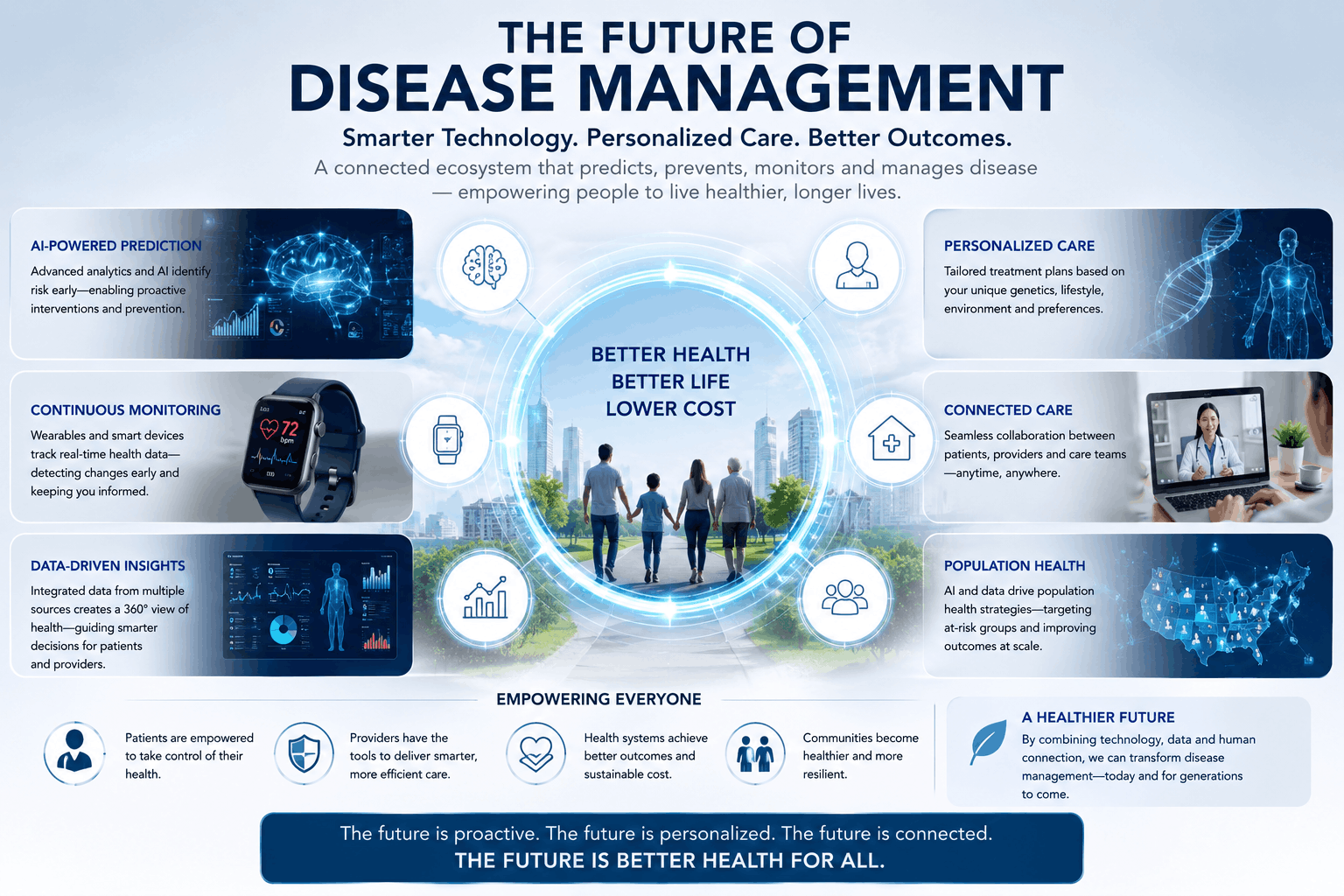
Disease management is undergoing a remarkable transformation. For decades, healthcare systems around the world primarily focused on diagnosing diseases and treating symptoms after they appeared. However, advances in medical science, artificial intelligence, digital health technologies, and personalized medicine are reshaping how diseases are detected, monitored, and managed.
The future of disease management is shifting from a reactive approach to a proactive one. Instead of waiting for illnesses to develop, healthcare providers are increasingly focusing on predicting health risks, preventing disease progression, and delivering personalized treatment plans tailored to individual patients.
As chronic diseases such as cardiovascular disease, diabetes, cancer, respiratory disorders, and neurological conditions continue to rise globally, innovative disease management strategies are becoming essential for improving patient outcomes and reducing healthcare costs.
In this article, we explore the future of disease management, emerging technologies, key trends, challenges, and what patients can expect in the coming years.

What Is Disease Management?
Disease management is a structured, patient-centered healthcare approach aimed at preventing, controlling, and improving the outcomes of chronic or long-term medical conditions. It involves a coordinated system of medical care, patient support, education, monitoring, and preventive strategies designed to help individuals maintain better health and quality of life.
In simple terms, disease management focuses on helping people live healthier and more productive lives while effectively managing ongoing health conditions. Instead of only treating symptoms when they become severe, disease management takes a proactive approach by identifying risks early, preventing complications, and supporting continuous care.
This healthcare model is especially important for individuals living with chronic diseases such as diabetes, cardiovascular disease, hypertension, asthma, chronic kidney disease, arthritis, obesity, respiratory illnesses, and autoimmune disorders. These conditions often require long-term monitoring and lifestyle adjustments, making consistent disease management essential.
Unlike traditional healthcare systems that primarily focus on diagnosing and treating illness after symptoms appear, disease management emphasizes prevention, early intervention, and long-term health maintenance. The objective is not only to treat disease but also to minimize its physical, emotional, and financial impact on patients.
Key Elements of Disease Management
An effective disease management plan usually includes several important components that work together to improve patient outcomes.
Early Diagnosis and Risk Assessment
Early diagnosis is one of the most critical aspects of disease management. Detecting a disease in its early stages significantly increases the chances of successful treatment and can prevent severe complications later in life.
Healthcare providers often use:
- Routine medical checkups
- Laboratory tests
- Imaging scans
- Screening programs
- Genetic testing
- Risk factor assessments
For example, identifying high blood pressure early can help prevent serious complications such as stroke, heart disease, or kidney damage. Similarly, detecting elevated blood sugar levels can reduce the risk of developing advanced diabetes complications.
Continuous Monitoring
Disease management involves ongoing monitoring of a patient’s condition to track progress and identify any warning signs before problems become severe.
Monitoring may include:
- Blood pressure tracking
- Blood sugar testing
- Heart rate monitoring
- Cholesterol checks
- Symptom tracking
- Regular physician consultations
- Digital health monitoring devices
Continuous monitoring helps healthcare professionals adjust treatments quickly if a patient’s condition changes. This proactive care reduces emergency hospital visits and improves overall disease control.
Medication Management
Many chronic diseases require long-term medication use. Disease management programs ensure that patients take medications correctly and understand their purpose.
Medication management includes:
- Prescribing appropriate treatments
- Explaining dosage schedules
- Monitoring side effects
- Preventing harmful drug interactions
- Improving medication adherence
Failure to follow medication plans is one of the leading reasons chronic diseases worsen. Therefore, educating patients about proper medication use is a key part of successful disease management.
Lifestyle Modification
Lifestyle choices play a major role in disease prevention and control. Disease management encourages healthier habits that support physical and mental well-being.
These changes may include:
Healthy Nutrition
Patients are encouraged to follow balanced diets rich in essential nutrients while reducing processed foods, excessive sugar, unhealthy fats, and sodium.
Physical Activity
Regular exercise helps manage body weight, improve heart health, reduce inflammation, control blood sugar, and strengthen the immune system.
Stress Management
Stress management is important in disease management because high stress can worsen health conditions and slow recovery. Managing stress through relaxation, exercise, and healthy habits helps patients cope better with illness and improve overall health.
Sleep Improvement
Poor sleep affects immunity, metabolism, hormone regulation, and recovery. Disease management plans often include guidance on improving sleep quality.
Patient Education and Self-Management
A major goal of disease management is empowering patients to understand and actively manage their own health.
Patient education helps individuals learn:
- Causes of their condition
- Risk factors
- Symptoms to watch for
- Proper medication use
- Healthy lifestyle strategies
- Warning signs of complications
- When to seek medical attention
When patients understand their condition better, they are more likely to make informed health decisions and follow treatment plans consistently.
Preventive Interventions
Prevention is one of the strongest pillars of disease management. Instead of waiting for health problems to worsen, healthcare professionals work to reduce future risks.
Preventive interventions may include:
- Vaccinations
- Regular health screenings
- Nutritional counseling
- Smoking cessation programs
- Weight management support
- Stress reduction techniques
- Exercise recommendations
These preventive strategies can delay disease progression and improve long-term outcomes.
Regular Follow-Up Care
Disease management is not a one-time treatment process. It requires continuous communication between patients and healthcare providers.
Regular follow-ups help:
- Monitor disease progression
- Review treatment effectiveness
- Adjust medications if necessary
- Address new symptoms
- Provide emotional and psychological support
Frequent follow-up appointments create a stronger partnership between healthcare providers and patients, resulting in better disease control.
The Ultimate Goal of Disease Management
The primary purpose of disease management is to improve overall health outcomes while helping patients maintain independence and a higher quality of life.
Its main goals include:
- Reducing disease complications
- Preventing hospital admissions
- Improving treatment effectiveness
- Lowering healthcare costs
- Increasing patient confidence and self-care
- Enhancing physical and emotional well-being
Ultimately, disease management empowers patients to take an active role in their healthcare journey. Rather than simply reacting to illness, it encourages prevention, informed decision-making, and long-term health maintenance, creating a healthier and more sustainable future for patients worldwidets to actively participate in their own care.
Why Disease Management Needs Innovation
Modern healthcare systems are facing unprecedented pressure. While medical science has made remarkable advancements in diagnosing and treating diseases, traditional healthcare models are increasingly struggling to meet the growing needs of patients, especially those living with chronic and complex medical conditions.
Conventional disease management approaches often rely heavily on hospital visits, symptom-based treatment, and reactive care rather than prevention and continuous monitoring. As global health challenges continue to evolve, there is an urgent need for smarter, faster, and more efficient healthcare solutions.
Innovation in disease management has become essential for improving patient outcomes, reducing healthcare costs, and ensuring sustainable healthcare systems in the future.
Several major factors are driving this transformation.
Rising Burden of Chronic Diseases
One of the biggest reasons disease management requires innovation is the rapidly increasing number of chronic illnesses worldwide.
Chronic diseases are long-term medical conditions that usually progress slowly and often require lifelong treatment and monitoring. These illnesses place a tremendous burden on both patients and healthcare systems.
Common chronic conditions include:
- Diabetes
- Hypertension (high blood pressure)
- Cardiovascular disease
- Obesity
- Chronic respiratory diseases
- Kidney disease
- Arthritis
- Cancer
- Mental health disorders
Unlike short-term illnesses that resolve quickly, chronic diseases often require ongoing medications, lifestyle modifications, regular physician consultations, laboratory tests, and long-term monitoring.
The growing prevalence of chronic diseases is linked to several lifestyle and environmental factors, including:
Sedentary Lifestyle
Modern lifestyles involve less physical activity due to desk jobs, screen time, and automation, increasing the risk of obesity, diabetes, and cardiovascular disorders.
Poor Dietary Habits
Highly processed foods, excessive sugar consumption, unhealthy fats, and poor nutrition contribute significantly to metabolic diseases.
Increased Stress Levels
Chronic stress negatively affects mental and physical health and is associated with conditions such as hypertension, anxiety, sleep disorders, and weakened immunity.
Environmental Factors
Pollution, climate-related health risks, and exposure to harmful chemicals may increase susceptibility to various diseases.
Traditional healthcare systems were not originally designed to manage such a large population living with long-term illnesses. This makes innovative disease management strategies necessary to reduce complications and improve quality of life.
Aging Population and Multiple Health Conditions
Global life expectancy has increased significantly due to medical advancements, improved sanitation, better nutrition, and access to healthcare services.
While longer lifespans are a positive achievement, they also create new healthcare challenges.
Older adults are more likely to develop multiple chronic diseases simultaneously, a condition often referred to as multimorbidity.
For example, an elderly patient may experience:
- Diabetes
- High blood pressure
- Arthritis
- Heart disease
- Memory disorders
Managing several conditions at once becomes highly complicated. Patients may require multiple medications, consultations with different specialists, frequent health monitoring, and personalized care plans.
This creates challenges such as:
Complex Treatment Plans
Managing multiple diseases often requires careful coordination between healthcare providers to avoid treatment conflicts.
Polypharmacy Risks
Many elderly patients take several medications daily, increasing the risk of side effects, drug interactions, and medication errors.
Increased Hospitalization
Older adults often face higher risks of emergency admissions and longer recovery periods.
Healthcare systems must therefore adopt innovative technologies such as remote patient monitoring, digital health records, and AI-assisted treatment planning to better support aging populations.
Healthcare Workforce Shortages
Another major issue is the shortage of healthcare professionals in many parts of the world.
Many countries face a growing lack of:
- Doctors
- Nurses
- Medical specialists
- Caregivers
- Mental health professionals
This shortage places enormous pressure on healthcare systems and limits the ability to provide continuous disease monitoring and personalized care.
In many healthcare settings:
- Physicians are overburdened
- Appointment waiting times are increasing
- Rural areas lack specialist access
- Patient follow-up care becomes inconsistent
As patient demand increases while workforce availability decreases, traditional healthcare systems struggle to maintain quality care.
Innovation offers practical solutions to this challenge through:
Telemedicine
Virtual consultations improve access to healthcare services, particularly for remote populations.
Artificial Intelligence
AI can assist healthcare professionals in identifying health risks, analyzing patient data, and supporting clinical decisions.
Automation
Administrative tasks such as appointment scheduling, medical documentation, and prescription tracking can be streamlined.
Remote Monitoring
Wearable devices and home-based monitoring systems allow physicians to monitor patients without requiring frequent clinic visits.
These technologies help reduce healthcare workload while improving patient care quality.
Increasing Healthcare Costs
Healthcare spending continues to rise globally, creating financial challenges for governments, hospitals, insurers, and patients.
Several factors contribute to increasing healthcare costs:
Expensive Hospital Admissions
Frequent hospital stays, emergency visits, and surgeries significantly increase healthcare expenditures.
Advanced Medical Treatments
New medical technologies, specialized therapies, and innovative medications often come with high costs.
Long-Term Disease Care
Managing chronic illnesses over decades can become financially overwhelming for patients and healthcare providers.
Medication Costs
Many patients require multiple long-term medications, increasing treatment expenses.
Without innovation, healthcare systems may struggle to remain financially sustainable.
Modern disease management focuses on reducing unnecessary healthcare spending through:
- Early diagnosis
- Preventive healthcare
- Lifestyle intervention
- Remote patient monitoring
- Home-based care
- Data-driven treatment decisions
Preventing disease progression is often far less expensive than treating severe complications later.
For example, managing diabetes early through lifestyle changes and regular monitoring is much cheaper than treating kidney failure, blindness, or cardiovascular complications caused by poorly controlled diabetes.
Growing Patient Expectations
People increasingly expect:
- Faster diagnosis
- Personalized treatment plans
- Convenient healthcare access
- Virtual consultations
- Real-time health monitoring
- Digital healthcare solutions
Traditional healthcare models centered around occasional clinic visits no longer meet these expectations.
Patients want healthcare that is accessible, personalized, and technology-driven.
The Shift Toward Preventive Healthcare
Historically, healthcare systems have focused mainly on treating diseases after symptoms appear.
However, the future of healthcare is increasingly centered on prevention rather than reaction.
Innovative disease management aims to:
- Detect diseases earlier
- Identify risk factors
- Prevent complications
- Encourage healthier lifestyles
- Reduce preventable hospital admissions
This proactive approach improves health outcomes while reducing strain on healthcare systems.
Why Innovation Is No Longer Optional
The healthcare landscape is changing rapidly. Rising chronic diseases, aging populations, healthcare workforce shortages, escalating costs, and growing patient expectations are exposing the limitations of traditional disease management models.
Innovation is no longer a luxury—it has become a necessity.
Advanced technologies such as artificial intelligence, wearable health devices, personalized medicine, digital therapeutics, telemedicine, and predictive analytics are reshaping how diseases are managed.
The future of disease management will focus on smarter, patient-centered, preventive, and technology-enabled care designed to improve quality of life while making healthcare more efficient and accessible for everyone.
Artificial Intelligence in Disease Management
Artificial Intelligence (AI) is rapidly transforming the healthcare industry and is considered one of the most powerful innovations shaping the future of disease management. Traditional healthcare systems often rely heavily on manual processes, physician expertise, and symptom-based diagnosis. However, AI introduces a smarter, faster, and more data-driven approach to healthcare.
In simple terms, Artificial Intelligence refers to computer systems capable of performing tasks that normally require human intelligence, such as learning, analyzing information, identifying patterns, solving problems, and making predictions.
In healthcare, AI-powered technologies can analyze enormous amounts of medical data within seconds, helping healthcare professionals make more informed decisions, improve diagnosis accuracy, predict disease risks, and develop personalized treatment strategies.
As chronic diseases continue to increase worldwide, AI is becoming essential for improving efficiency, reducing healthcare costs, and enhancing patient outcomes.
How Artificial Intelligence Is Changing Disease Management
Traditional disease management often depends on periodic doctor visits and patient-reported symptoms. This approach can sometimes delay diagnosis or fail to detect early warning signs.
Artificial intelligence changes this model by enabling:
- Continuous health monitoring
- Faster disease detection
- Data-driven medical decisions
- Personalized treatment planning
- Predictive healthcare interventions
- Improved patient engagement
By analyzing massive datasets from medical records, wearable devices, laboratory tests, imaging scans, and genetic information, AI can identify hidden patterns that may be difficult for humans to detect.
This allows healthcare systems to move from reactive care to preventive and proactive healthcare.
Benefits of AI in Disease Management
Early Disease Detection
One of the most important benefits of AI in healthcare is its ability to detect diseases at earlier stages, sometimes even before noticeable symptoms appear.
Early diagnosis significantly improves treatment success and reduces the risk of severe complications.
AI algorithms can analyze multiple sources of health information, including:
- Medical imaging scans
- Laboratory test results
- Genetic information
- Electronic health records
- Patient symptom patterns
- Wearable device data
AI in Medical Imaging
Medical imaging plays a major role in diagnosing diseases. AI-powered image analysis systems can quickly examine:
- X-rays
- MRI scans
- CT scans
- Ultrasounds
- Mammograms
AI systems can identify abnormalities with remarkable accuracy and assist doctors in detecting conditions such as:
- Cancer
- Heart disease
- Brain disorders
- Lung disease
- Bone abnormalities
For example, AI can identify tiny tumors in imaging scans that may be difficult to detect with the human eye, improving the chances of successful early treatment.
Detecting Disease Before Symptoms Become Severe
Many diseases progress silently before symptoms become obvious.
Conditions such as:
- Diabetes
- Kidney disease
- Hypertension
- Heart disease
- Cancer
may develop gradually over years.
AI systems can identify subtle warning signs by analyzing changes in laboratory results, patient history, and behavioral data, allowing doctors to intervene before serious complications develop.
This shift toward earlier detection could significantly reduce hospitalizations and improve survival rates.
Predictive Analytics and Risk Assessment
Predictive analytics is another major advantage of AI-powered disease management.
AI models can assess a patient’s future disease risk based on historical and real-time health data.
These predictive systems analyze factors such as:
- Age
- Family medical history
- Lifestyle habits
- Diet
- Physical activity
- Smoking history
- Existing medical conditions
- Genetic predisposition
Identifying High-Risk Patients
AI can identify individuals at higher risk of developing chronic illnesses such as:
- Diabetes
- Cardiovascular disease
- Stroke
- Obesity
- Alzheimer’s disease
- Kidney disease
For example, an AI system may detect patterns suggesting that a patient is likely to develop type 2 diabetes years before diagnosis.
Healthcare professionals can then recommend:
- Lifestyle modifications
- Dietary changes
- Exercise programs
- Preventive screenings
- Early medications if needed
This preventive approach helps reduce disease progression and healthcare costs.
Predicting Disease Complications
AI can also predict complications in patients already diagnosed with chronic conditions.
For example:
A diabetic patient may face increased risk of:
- Kidney damage
- Vision problems
- Heart disease
- Nerve damage
AI systems can continuously analyze patient data and alert healthcare providers when warning signs appear.
This enables earlier intervention and prevents life-threatening complications.
Personalized Treatment Recommendations
Every patient is biologically unique, meaning treatments that work well for one person may not work effectively for another.
AI enables healthcare providers to move toward personalized medicine, where treatment plans are tailored to each individual’s specific needs.
AI systems can recommend treatment strategies based on:
- Patient medical history
- Disease severity
- Genetic factors
- Lifestyle habits
- Medication response history
- Existing medical conditions
More Accurate Medication Selection
AI can help determine which medications are most likely to work for specific patients while reducing side effects.
For example:
Some patients respond differently to medications due to genetic differences.
AI-driven systems can analyze patient profiles and suggest safer and more effective drug options.
This is especially valuable in treating conditions such as:
- Cancer
- Depression
- Cardiovascular disease
- Autoimmune disorders
Personalized Lifestyle Recommendations
AI can also recommend customized lifestyle interventions based on patient behavior and health goals.
Examples include:
- Personalized diet plans
- Exercise recommendations
- Sleep improvement strategies
- Stress management programs
- Weight management guidance
This individualized approach improves treatment adherence and long-term disease control.
Continuous Patient Monitoring Through AI
Another breakthrough in disease management is AI-powered remote monitoring.
Modern wearable technologies can collect health data continuously.
Devices such as smartwatches and health trackers monitor:
- Heart rate
- Blood oxygen levels
- Blood glucose levels
- Sleep quality
- Physical activity
- Blood pressure
AI analyzes this real-time information and can immediately identify unusual health changes.
For example:
An AI system may detect abnormal heart rhythms and alert both the patient and healthcare provider before a serious cardiac event occurs.
This allows healthcare professionals to intervene early without requiring hospital visits.
Improved Clinical Efficiency
Healthcare professionals often spend significant time on repetitive administrative work.
AI-powered automation can reduce this burden and improve healthcare efficiency.
AI helps streamline:
- Medical documentation
- Appointment scheduling
- Prescription management
- Insurance processing
- Clinical note generation
- Data organization
This allows doctors, nurses, and specialists to spend more time focusing on patient care rather than paperwork.
Faster Decision-Making
AI systems can quickly analyze thousands of medical records and research studies to support physician decisions.
Rather than replacing doctors, AI serves as a powerful support tool that improves:
- Diagnostic accuracy
- Treatment planning
- Risk assessment
- Clinical productivity
Healthcare providers can make faster and more informed decisions while reducing medical errors.
AI in Mental Health Disease Management
Artificial intelligence is also improving mental healthcare.
AI-powered tools can assist in managing:
- Anxiety
- Depression
- Stress disorders
- Sleep problems
Mental health apps powered by AI can:
- Monitor emotional patterns
- Offer coping techniques
- Track mood changes
- Recommend behavioral interventions
This increases access to mental healthcare for individuals who may struggle to see specialists regularly.
Challenges of AI in Disease Management
Despite its enormous potential, AI still faces several challenges.
Data Privacy Concerns
Healthcare data is highly sensitive, and protecting patient privacy remains essential.
Algorithm Bias
AI systems depend on training data. Poor-quality data can lead to inaccurate or biased predictions.
Regulatory Challenges
AI technologies require strong medical regulation to ensure safety and effectiveness.
Human Oversight Is Still Necessary
AI cannot replace human doctors entirely. Medical professionals remain essential for interpreting results, making final decisions, and providing compassionate care.
The Future of AI in Disease Management
The future of disease management will likely rely heavily on artificial intelligence.
In the coming years, AI may help healthcare systems:
- Diagnose diseases earlier
- Predict medical risks more accurately
- Deliver personalized treatment plans
- Reduce healthcare costs
- Improve patient outcomes
- Support preventive healthcare
As AI technologies continue to evolve, healthcare will become smarter, more personalized, and increasingly focused on prevention rather than simply treating illness after it occurs.
Artificial intelligence is not replacing healthcare professionals—it is empowering them to deliver faster, more accurate, and more effective care than ever before.s to focus more on patient care.
Personalized Medicine: The Future of Individualized Care
Healthcare is entering a new era where treatments are no longer based solely on generalized medical guidelines. For decades, healthcare providers have relied on a “one-size-fits-all” treatment approach, where patients with similar symptoms or diagnoses often receive the same medications and treatment plans. However, every person is biologically unique, meaning individuals can respond very differently to the same treatment.
This is where personalized medicine, also known as precision medicine, is transforming disease management.
Personalized medicine is an advanced healthcare approach that uses an individual’s unique biological, genetic, environmental, and lifestyle information to customize prevention strategies, diagnoses, and treatment plans.
Instead of treating all patients the same way, personalized medicine focuses on identifying what works best for a specific person based on their individual characteristics.
This innovative approach is changing how healthcare professionals diagnose diseases, prescribe medications, predict disease risk, and manage chronic illnesses.
As medical technology advances, personalized medicine is expected to become one of the most important foundations of future disease management.
Why Traditional Healthcare Is Changing
Traditional medicine has saved millions of lives, but it also has limitations.
For example:
Two patients diagnosed with the same disease may respond very differently to identical treatment.
One patient may:
- Recover quickly
- Experience minimal side effects
- Respond positively to medication
While another patient may:
- Experience serious side effects
- Show little improvement
- Require alternative treatments
These differences often occur because of:
- Genetics
- Immune system function
- Lifestyle habits
- Environmental exposure
- Age
- Existing medical conditions
Personalized medicine aims to understand these differences and use them to create highly individualized treatment strategies.
How Personalized Medicine Works
Personalized medicine combines information from multiple sources to better understand a patient’s health profile.
Healthcare providers may evaluate:
- Genetic makeup
- Family medical history
- Lifestyle habits
- Diet and nutrition
- Exercise patterns
- Environmental exposures
- Existing health conditions
- Medication history
- Biomarkers and laboratory tests
By analyzing these factors, doctors can design healthcare plans specifically suited to each patient.
This approach shifts healthcare from generalized treatment to highly targeted and preventive care.
Key Components of Personalized Medicine
Genetic Testing
One of the most important pillars of personalized medicine is genetic testing.
Genes contain instructions that influence how the body develops, functions, and responds to disease.
Genetic testing analyzes DNA to identify inherited traits, mutations, or risk factors that may increase a person’s likelihood of developing specific diseases.
Identifying Disease Risks
Genetic analysis can reveal inherited risks for conditions such as:
- Breast cancer
- Colon cancer
- Heart disease
- Diabetes
- Alzheimer’s disease
- Rare genetic disorders
For example, individuals with certain genetic mutations may have a significantly higher risk of developing cancer.
Early awareness of these risks allows healthcare providers to recommend:
- Earlier screenings
- Preventive lifestyle changes
- Frequent monitoring
- Risk-reducing medical interventions
This preventive approach improves long-term health outcomes.
Predicting Medication Response
Not all medications work equally well for everyone.
Some individuals may metabolize drugs quickly, while others may process them slowly.
Genetic testing helps predict:
- Which medications may work best
- Appropriate dosage levels
- Risk of side effects
- Drug sensitivity
This reduces trial-and-error prescribing and improves treatment effectiveness.
Precision Therapies
Precision therapies are treatments specifically designed for patients with certain biological or genetic characteristics.
Unlike conventional treatments that target broad disease categories, precision medicine focuses on the specific causes of disease in each individual.
Targeted Cancer Treatments
Instead of treating all cancer patients the same way, doctors can analyze tumor genetics to understand what drives cancer growth.
Based on genetic findings, physicians may recommend:
- Targeted drug therapies
- Immunotherapy
- Customized treatment combinations
These treatments often provide:
- Better effectiveness
- Reduced side effects
- Improved survival outcomes
Chronic Disease Management
Precision therapies are also becoming increasingly useful for managing:
- Diabetes
- Cardiovascular disease
- Autoimmune disorders
- Neurological conditions
- Respiratory diseases
Personalized treatment plans help healthcare providers identify the most effective interventions for individual patients.
Pharmacogenomics: Understanding How Genes Affect Medication Response
One of the fastest-growing areas of personalized medicine is pharmacogenomics.
Pharmacogenomics studies how a person’s genes influence their response to medications.
This field helps healthcare providers understand:
- Why some medications work better for certain people
- Why side effects vary among patients
- Which drug doses are safest and most effective
Why Pharmacogenomics Matters
Medication reactions are a major healthcare concern worldwide.
Some patients experience:
- Severe side effects
- Drug toxicity
- Poor treatment response
- Dangerous medication interactions
Pharmacogenomic testing helps reduce these risks by identifying medications that match an individual’s genetic profile.
For example:
A medication commonly used to treat depression may work well for one person but fail completely in another.
Genetic testing can help doctors choose medications with a higher chance of success.
This improves patient safety and treatment efficiency.
Tailored Prevention Plans
Personalized medicine is not only about treating diseases—it also focuses heavily on prevention.
One of the biggest advantages of personalized healthcare is the ability to develop customized prevention strategies before illness develops.
Personalized Risk Assessments
Doctors can evaluate an individual’s risk profile using:
- Family history
- Genetics
- Lifestyle behaviors
- Blood tests
- Biomarkers
- Environmental exposures
This helps identify people who may be more vulnerable to future health problems.
Customized Lifestyle Recommendations
Instead of giving general health advice, personalized medicine provides targeted recommendations.
These may include:
Personalized Nutrition Plans
Diet recommendations based on:
- Metabolism
- Genetic tendencies
- Food sensitivities
- Disease risk
Individualized Exercise Programs
Physical activity recommendations tailored to:
- Fitness level
- Age
- Medical conditions
- Body composition
Mental Health Support
Stress management and emotional wellness plans customized to patient needs.
Preventive Screenings
Earlier or more frequent screenings for high-risk individuals.
For example:
A person genetically predisposed to cardiovascular disease may receive more regular heart screenings and preventive interventions.
This proactive healthcare model helps prevent serious complications before they occur.

The Impact of Big Data and Artificial Intelligence on Personalized Healthcare
Artificial intelligence and big data are accelerating the growth of personalized medicine.
AI systems can analyze enormous amounts of patient information, including:
- Genetic data
- Medical histories
- Imaging results
- Lifestyle behaviors
- Treatment outcomes
AI helps healthcare providers:
- Identify hidden health patterns
- Predict disease risks
- Recommend personalized therapies
- Improve clinical decisions
The combination of AI and personalized medicine is expected to revolutionize disease management in the coming decade.
Challenges of Personalized Medicine
Despite its enormous potential, personalized medicine still faces several challenges.
High Costs
Genetic testing and advanced therapies can be expensive.
Privacy Concerns
Protecting sensitive genetic and health information remains critical.
Limited Accessibility
Access to personalized healthcare varies depending on healthcare infrastructure and geographic location.
Ethical Considerations
Questions remain about genetic discrimination, insurance policies, and responsible data use.
The Future of Personalized Medicine
The future of healthcare is becoming increasingly personalized.
As medical technologies improve and costs decrease, personalized medicine is expected to become more widely available.
In the coming years, patients may benefit from:
- DNA-based treatment plans
- More accurate diagnoses
- Earlier disease detection
- Better medication safety
- Reduced side effects
- Customized prevention strategies
Rather than waiting for diseases to develop, healthcare systems will focus more on predicting risks and preventing illness before it starts.
Personalized medicine represents a major shift toward smarter, safer, and more effective healthcare—one designed around the unique biology of every individual rather than generalized assumptions.
Wearable Technology and Remote Monitoring: Revolutionizing Disease Management
Wearable technology is rapidly transforming modern healthcare and becoming one of the most important innovations in disease management. Traditional healthcare systems often rely on occasional doctor visits, laboratory testing, and patient self-reporting to monitor health conditions. However, this approach may fail to detect early warning signs between appointments.
Wearable devices are changing this model by enabling continuous, real-time health monitoring, allowing both patients and healthcare providers to track important health indicators more effectively.
These smart health technologies provide valuable medical insights outside hospitals and clinics, helping healthcare professionals monitor patients remotely, detect abnormalities early, and improve long-term disease management.
As chronic diseases continue to rise globally, wearable technology is expected to play a major role in the future of personalized and preventive healthcare.
What Is Wearable Technology in Healthcare?
Wearable healthcare technology refers to electronic devices that individuals wear on the body to monitor, collect, and analyze health-related information.
These devices use advanced sensors, wireless communication, and artificial intelligence to gather continuous physiological data.
The information is often synced with mobile apps, cloud systems, or healthcare platforms, enabling both patients and healthcare professionals to monitor health conditions in real time.
Unlike traditional monitoring methods that provide occasional snapshots of health, wearable technology delivers continuous data, helping identify patterns and early warning signs that may otherwise go unnoticed.
Common Types of Wearable Health Devices
The healthcare wearable market has expanded significantly in recent years, offering devices designed for different medical needs.
Smartwatches
Smartwatches have evolved far beyond basic fitness tracking and are now powerful health monitoring tools.
Modern smartwatches can track:
- Heart rate
- Blood oxygen saturation (SpO2)
- Sleep quality
- Physical activity
- Calories burned
- Stress levels
- Electrocardiogram (ECG) readings
- Irregular heart rhythms
Some advanced smartwatches can even detect signs of abnormal heart conditions and notify users to seek medical attention.
For patients with cardiovascular risks, these devices provide valuable daily health insights.
Fitness Trackers
Fitness trackers are wearable devices primarily designed to monitor movement, exercise, and lifestyle habits.
These devices help users track:
- Daily step count
- Walking distance
- Calories burned
- Exercise duration
- Heart rate
- Sleep cycles
- Sedentary time
Although originally developed for fitness enthusiasts, fitness trackers are increasingly used in preventive healthcare and chronic disease management.
For example, patients with obesity, diabetes, or heart disease can use fitness trackers to monitor physical activity and maintain healthier lifestyles.
Continuous movement tracking encourages behavior change and helps individuals stay motivated toward health goals.
Continuous Glucose Monitoring (CGM) Systems
For people living with diabetes, continuous glucose monitoring systems have significantly improved disease management.
Unlike traditional finger-prick blood sugar tests, CGM devices continuously measure glucose levels throughout the day and night.
These systems provide:
- Real-time blood sugar readings
- Trends in glucose fluctuations
- Alerts for dangerously high or low blood sugar
- Better diabetes control
This technology helps diabetic patients make faster decisions about:
- Diet
- Insulin doses
- Physical activity
- Medication timing
Continuous monitoring reduces complications and improves overall quality of life.
Blood Pressure Monitoring Devices
Hypertension, or high blood pressure, is one of the leading causes of heart disease and stroke.
Wearable blood pressure monitors allow patients to track blood pressure regularly without frequent clinic visits.
These devices help:
- Detect abnormal blood pressure changes
- Monitor treatment effectiveness
- Encourage medication adherence
- Prevent severe cardiovascular complications
For patients with hypertension, remote monitoring can significantly reduce health risks.
Cardiac Monitoring Devices
Heart disease remains one of the leading causes of death globally.
Wearable cardiac devices continuously monitor heart function and can detect abnormalities before symptoms become severe.
These devices can monitor:
- Heart rhythm
- Heart rate variability
- Irregular heartbeat patterns
- Signs of arrhythmia
- Potential cardiac events
Some devices automatically send alerts to healthcare providers if dangerous heart irregularities occur.
This early detection can help prevent life-threatening emergencies such as strokes or heart attacks.
Advantages of Wearable Health Devices in Disease Management
Wearable technology offers numerous benefits that are transforming healthcare from reactive treatment to proactive prevention.
Real-Time Health Tracking
One of the greatest advantages of wearable devices is continuous real-time monitoring.
Instead of relying only on occasional hospital visits, patients can monitor important health indicators daily.
Wearables can track:
- Heart rate
- Blood pressure
- Physical activity
- Sleep quality
- Blood oxygen levels
- Blood glucose levels
- Respiratory rate
- Body temperature
This continuous monitoring gives healthcare providers a clearer picture of a patient’s health over time.
For example:
A patient with heart disease may experience subtle heart rhythm changes that go unnoticed during routine doctor appointments.
Wearable devices can detect these changes immediately and alert healthcare providers before serious complications occur.
Early Warning Systems
Wearable devices are increasingly functioning as early warning systems for disease detection and emergency prevention.
Many wearable technologies use artificial intelligence and predictive algorithms to recognize unusual patterns.
Devices can send alerts when they detect:
- Irregular heart rhythms
- Dangerous blood sugar changes
- Abnormal oxygen levels
- Elevated blood pressure
- Sleep disturbances
- Increased stress indicators
These early alerts allow patients to seek medical care before symptoms worsen.
For example:
A smartwatch detecting atrial fibrillation (an abnormal heart rhythm) may encourage a patient to seek early treatment, potentially preventing stroke.
Similarly, glucose monitoring devices can alert diabetic patients to dangerously low blood sugar before it becomes life-threatening.
Better Patient Engagement and Self-Management
One of the biggest challenges in disease management is maintaining patient motivation and treatment adherence.
Wearable devices help patients become more actively involved in their healthcare.
By providing continuous feedback, wearable technology encourages:
- Healthier lifestyle choices
- Better medication adherence
- Increased physical activity
- Improved sleep habits
- Greater awareness of health risks
Seeing real-time progress often motivates patients to maintain positive health behaviors.
For example:
A patient managing obesity may feel encouraged after consistently meeting step-count goals, while a diabetic patient may become more mindful of diet after monitoring blood sugar patterns.
This increased engagement often leads to better long-term disease outcomes.
Reduced Hospital Visits and Healthcare Burden
Remote monitoring technologies reduce the need for frequent hospital visits and routine in-person appointments.
Healthcare providers can monitor patients remotely and intervene only when necessary.
This offers several advantages:
Improved Convenience
Patients can manage chronic conditions from home without frequent travel.
Lower Healthcare Costs
Reducing unnecessary hospital admissions helps lower medical expenses.
Better Access for Rural Patients
People living in remote areas gain access to healthcare monitoring without needing specialist clinics nearby.
Reduced Pressure on Healthcare Systems
Hospitals and clinics can focus more resources on critical patients.
Remote monitoring became especially important during the COVID-19 pandemic and continues to expand rapidly.
The Role of Artificial Intelligence in Wearable Technology
Artificial intelligence is making wearable devices even more powerful.
AI systems analyze wearable health data to identify:
- Health trends
- Disease risks
- Behavioral patterns
- Warning signs of complications
For example:
AI-powered wearables may eventually predict heart attacks, detect early infections, or identify disease flare-ups before symptoms appear.
This predictive capability could dramatically improve disease prevention in the future.
Challenges of Wearable Healthcare Technology
Despite its benefits, wearable technology still faces challenges.
Data Accuracy
Some wearable devices may occasionally produce inaccurate readings.
Privacy and Data Security
Protecting personal health information remains essential.
Cost and Accessibility
Advanced wearable devices may still be expensive for some populations.
Technology Adoption
Not all patients, particularly older adults, are comfortable using digital devices.
The Future of Wearable Technology in Healthcare

The future of wearable health technology looks extremely promising.
In the coming years, wearable devices may become more advanced, affordable, and integrated with healthcare systems.
Future innovations may include:
- Non-invasive glucose monitoring
- Real-time disease prediction
- Smart clothing with medical sensors
- AI-powered diagnostic tools
- Personalized health coaching
Healthcare is moving toward a future where diseases are monitored continuously rather than treated only after symptoms become severe.
Wearable technology is helping make healthcare more proactive, personalized, and patient-centered—ultimately improving quality of life and reducing preventable complications.
Telemedicine and Virtual Healthcare
Telemedicine and virtual healthcare have become major innovations in modern disease management. Although telemedicine existed before the pandemic, it gained widespread adoption during the COVID-19 crisis when patients and healthcare providers needed safer alternatives to in-person consultations.
Today, telemedicine continues to expand rapidly and is transforming how healthcare services are delivered worldwide.
Telemedicine refers to the use of digital communication technologies—such as video calls, mobile applications, phone consultations, and online health platforms—to provide medical care remotely.
Virtual healthcare improves access to medical services regardless of geographic location, making healthcare more convenient, efficient, and patient-centered.
By reducing barriers to care, telemedicine is becoming especially valuable for individuals managing chronic diseases, elderly patients, and those living in remote or underserved regions.
Benefits of Telemedicine in Disease Management
Increased Accessibility
One of the biggest advantages of telemedicine is improved healthcare access.
Patients living in rural or medically underserved areas often struggle to consult specialists due to distance, transportation challenges, or limited healthcare facilities.
Telemedicine helps bridge this gap by allowing patients to connect with healthcare professionals remotely.
Patients can now:
- Consult specialists from home
- Access healthcare faster
- Receive follow-up care without long-distance travel
- Obtain second medical opinions more easily
This improved accessibility can lead to earlier diagnosis and better disease management.
Convenience and Time Efficiency
Traditional healthcare appointments often involve:
- Long travel times
- Waiting room delays
- Transportation expenses
- Time away from work or family responsibilities
Virtual consultations eliminate many of these challenges.
Patients can schedule appointments from the comfort of their homes, reducing inconvenience and improving healthcare adherence.
This convenience is particularly beneficial for:
- Elderly patients
- Individuals with disabilities
- Busy professionals
- Patients with mobility limitations
Better Chronic Disease Management
Chronic diseases require continuous care, regular monitoring, and consistent communication between patients and healthcare providers.
Telemedicine enables regular virtual check-ins that help patients stay on track with treatment plans.
Healthcare professionals can monitor patients with conditions remotely such as:
- Diabetes
- Hypertension
- Heart disease
- Asthma
- Chronic kidney disease
- Mental health disorders
Frequent communication allows physicians to:
- Adjust medications quickly
- Monitor symptoms
- Address patient concerns
- Encourage treatment adherence
- Prevent complications before they become serious
This proactive care model improves long-term health outcomes.
Cost Savings
Telemedicine can significantly reduce healthcare costs for both patients and healthcare systems.
Patients may save money on:
- Travel expenses
- Transportation
- Parking fees
- Childcare costs
- Missed workdays
Healthcare providers may also benefit from reduced operational costs and improved clinic efficiency.
Additionally, virtual healthcare can reduce unnecessary emergency visits and hospital admissions by identifying health issues earlier.
Improved Continuity of Care
Regular follow-up is essential in disease management.
Telemedicine allows patients to maintain consistent contact with healthcare providers, improving continuity of care.
Instead of waiting months between appointments, patients can communicate more frequently, helping doctors monitor progress and make timely treatment adjustments.
This strengthens the patient-provider relationship and promotes better health outcomes.
Challenges of Telemedicine
Despite its benefits, telemedicine still faces some limitations.
These include:
- Limited internet access in some regions
- Technology barriers for older adults
- Privacy and cybersecurity concerns
- Inability to perform physical examinations for certain conditions
However, as digital healthcare technology continues to improve, many of these challenges are gradually being addressed.
The Future of Telemedicine
The future of telemedicine looks highly promising.
Advances in artificial intelligence, wearable devices, remote monitoring systems, and digital health platforms are expected to make virtual healthcare even more effective.
In the future, telemedicine may offer:
- AI-assisted virtual consultations
- Real-time remote patient monitoring
- Personalized digital treatment plans
- Faster access to specialists
- More affordable healthcare services
As healthcare continues to evolve, telemedicine will likely become a permanent and essential part of disease management, helping create a more accessible, efficient, and patient-focused healthcare system.
Digital Therapeutics: Software as Medicine
Digital therapeutics (DTx) are transforming the future of healthcare by introducing a new concept often referred to as “software as medicine.” Unlike general health or fitness apps, digital therapeutics are evidence-based software programs specifically designed to prevent, manage, or treat medical conditions using scientifically validated interventions.
These digital solutions are often delivered through mobile apps, online platforms, wearable devices, or software systems and are designed to work alongside traditional medical care. In many cases, digital therapeutics are prescribed or recommended by healthcare professionals to improve disease management and patient outcomes.
Rather than replacing doctors or medications, digital therapeutics complement conventional treatments by providing continuous monitoring, behavioral coaching, education, and personalized support between medical visits.
How Digital Therapeutics Work
Digital therapeutics use advanced technologies such as:
- Artificial intelligence (AI)
- Behavioral science
- Cognitive therapy techniques
- Real-time data tracking
- Remote monitoring systems
- Personalized feedback algorithms
These systems help patients make healthier decisions, improve treatment adherence, and better manage chronic conditions from home.
For example, a digital therapeutic app may remind a diabetic patient to monitor blood sugar, recommend dietary changes, track medication use, and provide real-time lifestyle coaching.
This ongoing support helps patients remain engaged in their healthcare journey.

Conditions Where Digital Therapeutics Are Most Effective
Digital therapeutics are increasingly being used to support the management of several chronic and behavioral health conditions.
Diabetes Management
Digital therapeutics can help diabetic patients:
- Track blood glucose levels
- Monitor eating habits
- Receive medication reminders
- Improve lifestyle habits
- Prevent complications
Some platforms also provide personalized nutrition recommendations and progress tracking to improve blood sugar control.
Mental Health Disorders
Mental health conditions such as anxiety, depression, and stress-related disorders are increasingly being managed through digital therapeutic platforms.
These programs may include:
- Cognitive behavioral therapy (CBT)
- Guided meditation
- Mood tracking
- Stress management exercises
- Personalized mental wellness plans
Digital mental health tools can improve accessibility for individuals who may not have regular access to therapists or specialists.
Insomnia and Sleep Disorders
Digital therapeutics are proving highly effective in managing insomnia.
Software-based sleep programs can help patients:
- Improve sleep habits
- Reduce anxiety around sleep
- Build healthier nighttime routines
- Track sleep quality
These interventions often focus on behavior change techniques that improve long-term sleep health.
Substance Use Disorders
Digital therapeutics are also being used to support recovery from substance misuse and addiction.
Patients may receive:
- Behavioral coaching
- Relapse prevention tools
- Daily motivation programs
- Emotional support resources
- Progress tracking systems
These tools can provide ongoing support outside clinical settings, improving treatment continuity.
Cardiovascular Disease Management
For patients with heart disease or hypertension, digital therapeutics can help monitor:
- Blood pressure
- Physical activity
- Medication adherence
- Dietary habits
- Heart health indicators
Regular reminders and personalized guidance encourage healthier behaviors that reduce cardiovascular risks.
Benefits of Digital Therapeutics
Digital therapeutics offer several advantages in disease management.
Personalized Healthcare Support
One of the greatest strengths of digital therapeutics is personalization.
These systems adapt recommendations based on:
- Patient behavior
- Health progress
- Lifestyle habits
- Symptoms
- Treatment response
This creates highly individualized care experiences.
Better Treatment Adherence
Many patients struggle to follow long-term treatment plans.
Digital therapeutics improve adherence through:
- Medication reminders
- Goal tracking
- Motivational feedback
- Educational content
Patients are more likely to stay engaged when they receive consistent support.
Increased Accessibility
Digital therapeutic programs provide healthcare support anytime and anywhere.
This is particularly useful for:
- Rural populations
- Elderly patients
- Busy individuals
- Patients with mobility limitations
Reduced Healthcare Costs
By helping patients manage diseases more effectively and preventing complications, digital therapeutics may reduce:
- Hospital visits
- Emergency admissions
- Long-term treatment expenses
The Future of Digital Therapeutics
As healthcare becomes increasingly digital, software-based treatment programs are expected to become more common.
Future digital therapeutics may include:
- AI-powered disease coaching
- Real-time symptom prediction
- Personalized treatment adjustments
- Integration with wearable health devices
- Advanced remote patient monitoring
Digital therapeutics represent an important shift toward smarter, more accessible, and patient-centered healthcare. By combining technology with medical science, these solutions are helping patients take greater control of their health while improving disease prevention and long-term management.
The Role of Big Data in Future Healthcare
Healthcare generates enormous amounts of data every day.
Big data analytics helps transform this information into actionable insights.
Applications of Big Data
Disease Prediction
Researchers can identify emerging health risks within populations.
Population Health Management
Healthcare systems can design targeted interventions for high-risk groups.
Improved Research
Large datasets accelerate medical discoveries and treatment innovations.
Better Resource Allocation
Hospitals can optimize staffing, equipment usage, and patient care strategies.
Gene Editing and Advanced Therapies
Rapid advancements in medical science are opening entirely new possibilities for disease treatment and long-term disease management. Traditional medical treatments often focus on controlling symptoms or slowing disease progression. However, emerging technologies such as gene editing, regenerative medicine, stem cell therapy, and tissue engineering aim to address diseases at their root cause.
These groundbreaking innovations have the potential to transform healthcare by offering more targeted, effective, and long-lasting treatments for conditions that were once considered difficult—or even impossible—to treat.
As research continues to advance, gene editing and advanced therapies may play a major role in the future of personalized medicine and chronic disease management.
Gene Editing: Correcting Diseases at the Genetic Level
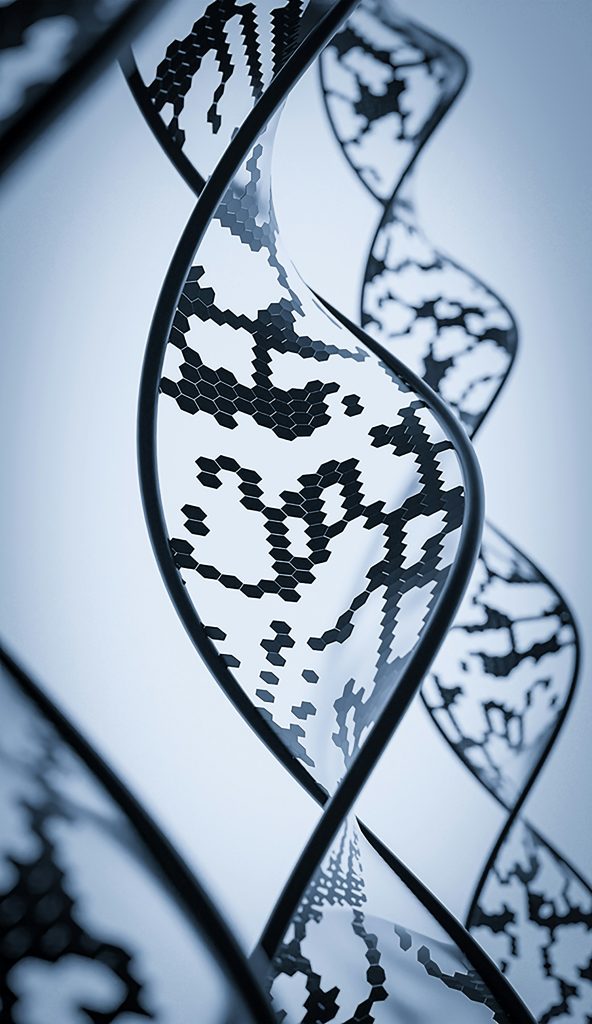
Gene editing is one of the most promising developments in modern medicine. It involves modifying or repairing faulty genes that contribute to disease development.
Many inherited diseases occur because of genetic mutations—small changes or errors in DNA that interfere with how the body functions. Traditional treatments usually focus on managing symptoms, but gene-editing technologies aim to correct these problems at the source.
Scientists are exploring advanced tools that can potentially:
- Repair damaged genes
- Remove harmful genetic mutations
- Replace defective DNA
- Improve treatment precision
- Prevent inherited disorders from progressing
Instead of lifelong symptom management, gene editing may eventually offer long-term or even permanent treatment solutions for certain conditions.
Potential Applications of Gene Editing
Researchers are currently studying gene editing for several serious medical conditions.
Rare Genetic Diseases
Many rare inherited disorders result from a single faulty gene.
Gene editing may help treat conditions such as:
- Inherited metabolic disorders
- Neuromuscular diseases
- Genetic immune deficiencies
Correcting defective genes could significantly improve patient quality of life.
Blood Disorders
Blood-related genetic diseases are among the most promising targets for gene-editing therapies.
Scientists are exploring treatments for conditions such as:
- Sickle cell disease
- Thalassemia
- Certain inherited blood abnormalities
Gene editing could potentially reduce the need for lifelong treatments and blood transfusions.
Certain Types of Cancer
Cancer treatment is also being transformed through genetic research.
Gene-editing approaches may help:
- Improve immune system response against cancer
- Develop more targeted cancer therapies
- Reduce damage to healthy tissues
- Increase treatment effectiveness
These innovations may eventually lead to more precise and personalized cancer care.
Regenerative Medicine: Repairing and Replacing Damaged Tissues
Another exciting advancement in disease management is regenerative medicine.
Regenerative medicine focuses on repairing, replacing, or regenerating damaged tissues and organs to restore normal body function.
Unlike conventional medicine, which often manages symptoms, regenerative therapies aim to help the body heal itself.
This field includes innovations such as:
- Stem cell therapy
- Tissue engineering
- Organ regeneration
- Bioprinting technologies
Stem Cell Therapies
Stem cells are unique cells capable of developing into different types of tissues in the body.
Researchers are studying stem cell treatments to repair damage caused by:
- Heart disease
- Spinal cord injuries
- Neurological disorders
- Joint degeneration
- Autoimmune diseases
Stem cell therapy may help regenerate damaged tissues and improve recovery in patients with chronic or degenerative conditions.
Tissue Engineering
Tissue engineering combines biology and engineering to create replacement tissues for damaged body parts.
Scientists are developing methods to grow:
- Skin tissue
- Bone tissue
- Cartilage
- Blood vessels
- Organ structures
This technology may eventually reduce dependence on organ transplants and donor shortages.
Potential Benefits of Advanced Therapies
Gene editing and regenerative medicine could transform healthcare in several ways:
- More targeted treatment approaches
- Reduced long-term disease complications
- Faster recovery times
- Improved quality of life
- Reduced reliance on lifelong medication
- Better outcomes for chronic diseases
These technologies are particularly promising for patients with conditions that currently have limited treatment options.
Challenges and Ethical Considerations
Despite their enormous potential, advanced therapies still face important challenges.
These include:
- High treatment costs
- Limited availability
- Long-term safety concerns
- Ethical questions surrounding genetic modification
- Strict medical regulations
Researchers and healthcare systems must ensure these technologies remain safe, effective, and ethically responsible.
The Future of Disease Treatment
The future of disease management may move far beyond simply controlling symptoms.
Gene editing and regenerative medicine are helping shift healthcare toward treatments that repair underlying causes of disease rather than temporarily managing them.
Although many therapies are still under development, these innovations offer hope for millions of patients living with chronic, inherited, and degenerative diseases.
In the coming years, advanced therapies may lead to more personalized, precise, and potentially life-changing medical treatments—bringing healthcare closer to a future where some diseases can be corrected rather than simply managed.
Preventive Healthcare Will Become the New Standard
One of the biggest shifts in disease management is the move toward prevention.
Instead of treating disease after it develops, healthcare systems are increasingly focused on maintaining health.
Preventive Strategies
Health Risk Assessments
Advanced screening tools identify potential health risks early.
Lifestyle Medicine
Healthcare providers encourage:
- Healthy eating
- Physical activity
- Stress management
- Quality sleep
- Smoking cessation
Vaccination Programs
Vaccines continue to play a critical role in preventing infectious diseases.
Continuous Monitoring
Digital health technologies allow early intervention before serious complications occur.
Challenges Facing the Future of Disease Management
Despite tremendous progress, several challenges remain.
Data Privacy and Security
Protecting sensitive health information is essential as healthcare becomes more digital.
Healthcare Inequality
Access to advanced technologies may vary across regions and socioeconomic groups.
Regulatory Considerations
New technologies require rigorous testing and oversight to ensure safety and effectiveness.
Technology Adoption
Healthcare providers and patients must learn how to effectively use emerging digital tools.
What Patients Can Expect in the Next Decade
The future patient experience will likely include:
- Personalized treatment plans based on genetic profiles
- AI-assisted health assessments
- Continuous monitoring through wearable devices
- Virtual healthcare consultations
- Earlier disease detection
- Greater emphasis on prevention
- More active patient participation in healthcare decisions
Healthcare will become increasingly patient-centered, data-driven, and proactive.
Conclusion
The future of disease management is being shaped by artificial intelligence, personalized medicine, wearable technologies, telemedicine, digital therapeutics, and preventive healthcare strategies. These innovations are transforming healthcare from a reactive system focused on treating illness into a proactive model centered on prevention, early detection, and individualized care.
As technology continues to evolve, patients will gain greater control over their health while healthcare providers benefit from more accurate data and smarter decision-making tools. Although challenges such as privacy concerns and healthcare accessibility remain, the future holds tremendous promise for improving health outcomes and enhancing quality of life.
Organizations, healthcare professionals, and patients who embrace these innovations will be better prepared for the next generation of healthcare and disease management.

Frequently Asked Questions (FAQs)
1. What is disease management?
Disease management is a structured healthcare approach designed to prevent, monitor, treat, and control chronic or long-term medical conditions. It involves early diagnosis, continuous monitoring, medication management, lifestyle modifications, patient education, preventive care, and regular follow-up to improve health outcomes and quality of life.
2. Why is disease management important?
Disease management is important because it helps reduce complications, prevent hospitalizations, improve treatment effectiveness, and support healthier lifestyles. It also empowers patients to actively participate in managing their health conditions.
3. How is technology changing disease management?
Technology is transforming disease management through innovations such as artificial intelligence (AI), wearable health devices, telemedicine, personalized medicine, digital therapeutics, and remote patient monitoring. These technologies help improve diagnosis, treatment, and preventive healthcare.
4. What role does artificial intelligence play in disease management?
Artificial intelligence helps analyze large amounts of health data, identify disease patterns, predict risks, and support clinical decision-making. AI can improve early disease detection, personalized treatment planning, and patient monitoring.
5. Can AI detect diseases early?
Yes, AI can help detect diseases earlier by analyzing medical imaging, laboratory reports, genetic information, electronic health records, and wearable health data. Early detection may improve treatment success and reduce complications.
6. What is personalized medicine?
Personalized medicine is an individualized healthcare approach that uses genetic, biological, lifestyle, and environmental information to customize treatments and prevention strategies for each patient.
7. How does genetic testing help in disease management?
Genetic testing can identify inherited disease risks and predict how patients may respond to medications. This allows healthcare providers to create more targeted and effective treatment plans.
8. What are wearable health devices?
Wearable health devices are smart electronic tools that monitor health indicators in real time. Examples include smartwatches, fitness trackers, glucose monitoring systems, blood pressure monitors, and cardiac monitoring devices.
9. What are the benefits of wearable technology in healthcare?
Wearable technology offers several benefits, including:
- Real-time health tracking
- Early warning alerts
- Better patient engagement
- Improved chronic disease monitoring
- Reduced hospital visits
- Personalized health insights
10. What is remote patient monitoring?
Remote patient monitoring involves using digital tools and wearable devices to monitor a patient’s health outside hospitals or clinics. Healthcare providers can track symptoms and vital signs remotely.
11. What is telemedicine?
Telemedicine is the use of digital communication technologies, such as video calls and online consultations, to provide healthcare services remotely without requiring in-person visits.
12. What are the advantages of telemedicine?
Telemedicine provides:
- Better access to healthcare
- Convenience for patients
- Reduced travel time
- Cost savings
- Better chronic disease management
- Faster communication with healthcare providers
13. What are digital therapeutics?
Digital therapeutics are evidence-based software programs designed to prevent, manage, or treat medical conditions through digital platforms such as mobile applications and online healthcare tools.
14. Which diseases can digital therapeutics help manage?
Digital therapeutics are commonly used for:
- Diabetes
- Mental health disorders
- Insomnia
- Substance use disorders
- Cardiovascular diseases
15. What is gene editing in healthcare?
Gene editing is an advanced medical technology that aims to modify or repair faulty genes responsible for certain diseases. It may eventually help treat inherited disorders and some forms of cancer.
16. What is regenerative medicine?
Regenerative medicine focuses on repairing or replacing damaged tissues and organs using approaches such as stem cell therapy and tissue engineering.
17. How can stem cell therapy improve disease treatment?
Stem cell therapy may help repair damaged tissues and improve recovery in conditions such as heart disease, neurological disorders, joint degeneration, and autoimmune diseases.
18. What challenges does the future of disease management face?
Some major challenges include:
- Data privacy and security concerns
- Healthcare inequality
- High costs of advanced technologies
- Technology adoption barriers
- Regulatory challenges
- Ethical concerns in AI and gene editing
19. Why is data privacy important in digital healthcare?
Digital healthcare systems collect sensitive medical information. Strong privacy protections are essential to prevent cyberattacks, unauthorized access, and misuse of patient data.
20. Will AI replace doctors in the future?
No, AI is expected to support—not replace—healthcare professionals. Doctors will still play a critical role in diagnosis, treatment decisions, emotional support, and patient care.
21. What is the future of disease management?
The future of disease management will likely focus on personalized medicine, preventive healthcare, AI-powered diagnostics, wearable technology, remote monitoring, telemedicine, and advanced therapies to improve patient outcomes and quality of life.
22. How will healthcare change in the next decade?
Healthcare is expected to become more proactive, technology-driven, personalized, and patient-centered. Early disease prediction, remote monitoring, and individualized treatments may become more common.
23. What are the biggest benefits of future disease management?
Future disease management may provide:
- Earlier disease detection
- More personalized treatments
- Better chronic disease control
- Reduced healthcare costs
- Improved patient convenience
- Greater focus on prevention
24. Is personalized medicine the future of healthcare?
Yes, many experts believe personalized medicine will become a major part of future healthcare because treatments can be tailored to individual genetic and lifestyle differences, improving effectiveness and reducing side effects.
25. Can wearable technology reduce hospital visits?
Yes, wearable devices and remote monitoring systems can help healthcare providers monitor patients at home, reducing unnecessary hospital visits and enabling earlier medical intervention.


[…] Absolute Future of Disease Management: How Technology, Personalized Medicine, and Preventive Care Ar… […]