Facebook Instagram X Vimeo Youtube
Sign in
  • Click here - to use the wp menu builder
Sign in
Welcome!Log into your account
Forgot your password?
Password recovery
Recover your password
Search
Home DISEASE & MANAGEMENT

DISEASE & MANAGEMENT

  • DISEASE & MANAGEMENT
  • DRUGS
  • General
  • HEALTH & HEALTHCARE QUALITY
  • HEALTH & NUTRITION
  • HEALTH & TECHNOLOGY
  • HEALTH AND FITNESS
  • HOME REMEDIES
  • PERSONEL HYGIENE AND PREVENTIVE CARE
  • PHYSIICAL DISABILITIES AND SUPPORTIVE CARE
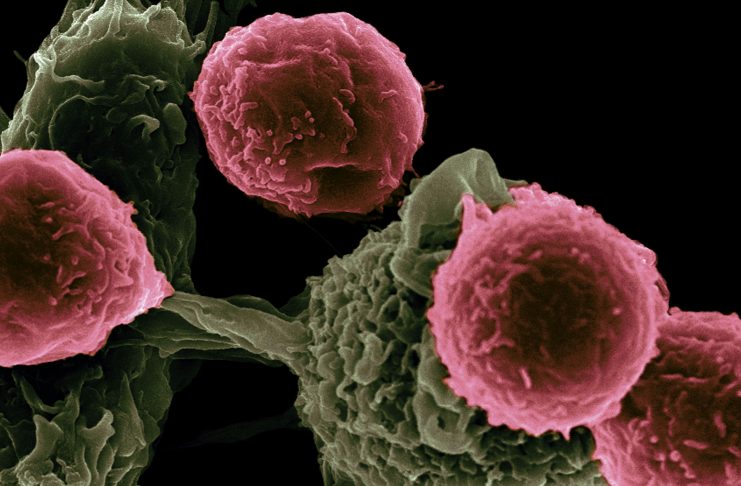
    When people hear the word “cancer,” they may imagine someone in their 60s, 70s, or 80s. For decades, that image made sense because cancer risk generally increases with age. The National Cancer Institute explains that advancing age remains the most important overall risk factor for cancer.

    Are Cancer Cases Increasing Among Younger People?

    Health Granite Auditorial Team - August 15, 2026
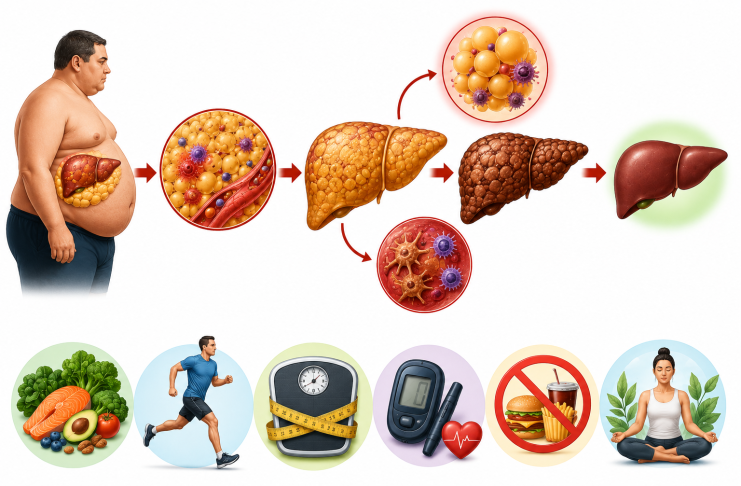
    Obesity and fatty liver disease have become two of the most significant public health challenges of the 21st century. As obesity rates continue to rise worldwide, healthcare professionals are witnessing a parallel increase in fatty liver disease cases, particularly Non-Alcoholic Fatty Liver Disease (NAFLD), now increasingly referred to as Metabolic Dysfunction-Associated Steatotic Liver Disease (MASLD). The relationship between obesity and fatty liver disease is neither coincidental nor simple. Excess body fat, especially abdominal fat, creates a cascade of metabolic disturbances that directly affect liver function. Over time, these disturbances can cause fat accumulation inside liver cells, inflammation, scarring, liver failure, and even liver cancer. Many people assume fatty liver disease is harmless because it often produces no symptoms in its early stages. However, untreated fatty liver can silently progress for years before causing serious complications.

    How Obesity Increases the Risk of Fatty Liver: The Complete Guide...

    Health Granite Auditorial Team - June 24, 2026
    Women’s hormonal health has gained increasing attention in recent years, particularly conditions that affect reproductive health, metabolism, and overall well-being. Among these, Polycystic Ovary Syndrome (PCOS) has long been recognized as one of the most common hormonal disorders affecting women of reproductive age. Millions of women worldwide experience irregular menstrual cycles, hormonal imbalance, fertility issues, unexplained weight gain, acne, excessive hair growth, and emotional distress because of this condition. However, in recent discussions among researchers and healthcare experts, a new term has started gaining attention: Polyendocrine Metabolic Ovarian Syndrome (PMOS). This emerging terminology is being explored to better reflect the broader complexity of the condition traditionally known as PCOS.

    PMOS vs PCOS: Surprising Change and Why It Matters

    Health Granite Auditorial Team - June 14, 2026
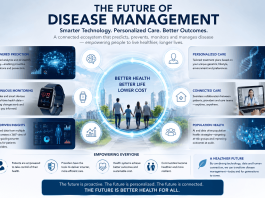
    Disease management is a structured, patient-centered healthcare approach aimed at preventing, controlling, and improving the outcomes of chronic or long-term medical conditions. It involves a coordinated system of medical care, patient support, education, monitoring, and preventive strategies designed to help individuals maintain better health and quality of life.

    Absolute Future of Disease Management: How Technology, Personalized Medicine, and Preventive...

    Health Granite Auditorial Team - June 7, 2026
    ABOUT US
    FOLLOW US
    Facebook Instagram X Vimeo Youtube
    ©