Table of Contents
Part 1: Understanding the Shift from PCOS to PMOS
1. Introduction
2. What Is PCOS?
2.1 Understanding Polycystic Ovary Syndrome
2.2 How PCOS Affects Women’s Health
2.3 Why PCOS Is Considered a Hormonal Disorder
3. Common Symptoms of PCOS
3.1 Irregular Menstrual Cycles
3.2 Excess Androgen Levels
3.3 Weight Gain and Metabolic Changes
3.4 Fertility Challenges
3.5 Skin and Hair Symptoms
3.6 Emotional and Mental Health Effects
4. Why the Name “PCOS” Has Been Criticized
4.1 Many Women Do Not Have Ovarian Cysts
4.2 PCOS Affects More Than the Ovaries
4.3 The Role of Insulin Resistance
4.4 Endocrine Dysfunction Beyond Reproductive Hormones
5. What Is PMOS?
5.1 Meaning of Polyendocrine Metabolic Ovarian Syndrome
5.2 Breaking Down the Term PMOS
5.2.1 Polyendocrine
5.2.2 Metabolic
5.2.3 Ovarian
5.2.4 Syndrome
6. Why Researchers Are Discussing PMOS
6.1 Concerns About the Traditional PCOS Name
6.2 Understanding the Whole-Body Impact
6.3 Improving Patient Awareness and Diagnosis
7. PMOS vs PCOS: Is It a Completely New Disease?
7.1 Similarities Between PMOS and PCOS
7.2 Key Differences in Medical Perspective
8. Key Differences Between PMOS and PCOS
8.1 Focus Area
8.2 Diseashttps://healthgranite.com/wp-admin/post.php?post=326&action=edite Perspective
8.3 Treatment Thinking
8.4 Patient Awareness
9. Why This Change Matters in Women’s Healthcare
10. Conclusion of Part 1
Part 2: Causes, Hormonal Changes, Symptoms, Risk Factors, and Diagnosis
11. What Causes PCOS and PMOS?
12. Genetics: The Family Connection
12.1 Can PCOS Be Inherited?
12.2 Family Risk Factors
13. Hormonal Imbalance: The Core Problem
13.1 Androgens and Hyperandrogenism
13.2 Insulin and Blood Sugar Imbalance
13.3 Luteinizing Hormone (LH) Changes
13.4 Follicle-Stimulating Hormone (FSH) Changes
13.5 Estrogen and Progesterone Imbalance
14. Why Hormones Matter More in PMOS
15. Insulin Resistance: The Hidden Driver
15.1 What Is Insulin Resistance?
15.2 Symptoms of Insulin Resistance
15.3 Why Insulin Resistance Matters in PMOS
16. Chronic Inflammation and PMOS/PCOS
17. Environmental and Lifestyle Factors
17.1 Poor Diet
17.2 Lack of Exercise
17.3 Stress and Hormonal Changes
17.4 Poor Sleep and Metabolism
18. Symptoms of PMOS vs PCOS
18.1 Menstrual Symptoms
18.2 Fertility Problems
18.3 Weight and Metabolic Symptoms
18.4 Skin Changes
18.5 Hair-Related Symptoms
18.6 Mental and Emotional Symptoms
19. Why Symptoms Differ Between Women
20. Risk Factors for Developing PMOS/PCOS
21. How Is PMOS or PCOS Diagnosed?
21.1 Understanding the Rotterdam Criteria
21.2 Blood Tests Used in Diagnosis
21.3 Ultrasound and Ovarian Assessment
22. Why Early Diagnosis Matters
23. Conclusion of Part 2
Part 3: Fertility, Pregnancy, Mental Health, Long-Term Risks, and Metabolic Health
24. PMOS/PCOS and Fertility: Understanding the Connection
25. Why Fertility Problems Happen
25.1 Understanding Ovulation
25.2 What Is Anovulation?
26. Why PMOS Matters in Fertility Discussions
27. Signs of Irregular Ovulation
28. Can Women With PMOS/PCOS Get Pregnant Naturally?
29. Pregnancy Risks Associated With PMOS/PCOS
29.1 Gestational Diabetes
29.2 High Blood Pressure During Pregnancy
29.3 Miscarriage Risk
29.4 Premature Birth Risks
30. The Emotional Side of Fertility Struggles
31. PMOS/PCOS and Mental Health
31.1 Why Mental Health Symptoms Occur
31.2 Hormonal Effects on Mood
31.3 Body Image Challenges
31.4 Emotional Effects of Fertility Problems
32. Depression and PMOS/PCOS
33. Anxiety and Hormonal Disorders
34. Stress and Hormonal Imbalance
35. Long-Term Health Risks of PMOS/PCOS
35.1 Type 2 Diabetes Risk
35.2 Cardiovascular Disease Risk
35.3 Obesity and Weight Challenges
35.4 Sleep Disorders and Sleep Apnea
35.5 Endometrial Health Concerns
36. Metabolic Health: Why PMOS Is Gaining Attention
37. The Role of Insulin Resistance in Long-Term Health
38. Why Early Management Matters
39. Why PMOS Represents a Bigger Picture
40. Conclusion of Part 3
Part 4: Treatment, Medications, Diet, Exercise, Sleep, and Lifestyle Management
41. Is There a Cure for PMOS or PCOS?
42. Why Treatment Should Be Personalized
43. Medical Treatments for PMOS/PCOS
43.1 Hormonal Birth Control
43.2 Insulin-Sensitizing Medications
43.3 Fertility Treatments
43.4 Acne and Hair Growth Treatments
44. Lifestyle Treatment: The Foundation of Symptom Management
45. The Best Diet for PMOS/PCOS
45.1 Why Diet Matters
45.2 High-Fiber Foods
45.3 Lean Protein Sources
45.4 Healthy Fats
45.5 Whole Grains
46. Foods That May Worsen Symptoms
47. Is Weight Loss Necessary?
48. Exercise and PMOS/PCOS Management
48.1 Walking
48.2 Strength Training
48.3 Cardio Exercise
48.4 Yoga and Stretching
49. Why Consistency Matters More Than Intensity
50. Sleep: The Forgotten Hormonal Tool
50.1 How Sleep Affects Hormones
50.2 Healthy Sleep Habits
51. Stress Management and Hormonal Health
51.1 Meditation
51.2 Walking Outdoors
51.3 Journaling and Therapy
52. Natural Remedies: Can They Help?
53. Why the PMOS Perspective Changes Treatment Thinking
54. Building a Sustainable PMOS/PCOS Lifestyle Plan
55. Conclusion of Part 4
Part 5: Myths, Prevention, Future Research, Expert Insights, FAQs, and Final Thoughts
56. Common Myths and Facts About PMOS and PCOS
56.1 Myth: PCOS Only Affects the Ovaries
56.2 Myth: Every Woman With PCOS Has Cysts
56.3 Myth: Only Overweight Women Develop PCOS
56.4 Myth: Pregnancy Is Impossible
56.5 Myth: Irregular Periods Are Harmless
56.6 Myth: PCOS Only Affects Fertility
57. Can PMOS or PCOS Be Prevented?
58. Prevention Strategies That May Help
58.1 Maintaining Healthy Insulin Sensitivity
58.2 Staying Physically Active
58.3 Prioritizing Sleep
58.4 Reducing Chronic Stress
58.5 Monitoring Symptoms Early
59. Why the PMOS Name Change Matters
60. How PMOS May Improve Awareness
61. Expert Opinions on PMOS vs PCOS
62. The Future of PMOS Research
62.1 Genetics and Hormonal Research
62.2 Personalized Medicine
62.3 Hormonal Therapies
62.4 Insulin Resistance Treatments
62.5 AI and Predictive Healthcare
63. Personalized Medicine: The Future of Treatment
64. Why Women Should Pay Attention to Symptoms Early
65. Final Comparison: PMOS vs PCOS
66. Final Thoughts: What Has Changed and Why It Matters
67. Conclusion
68. Frequently Asked Questions (FAQs)
Part 1: Understanding the Shift from PCOS to PMOS
Introduction
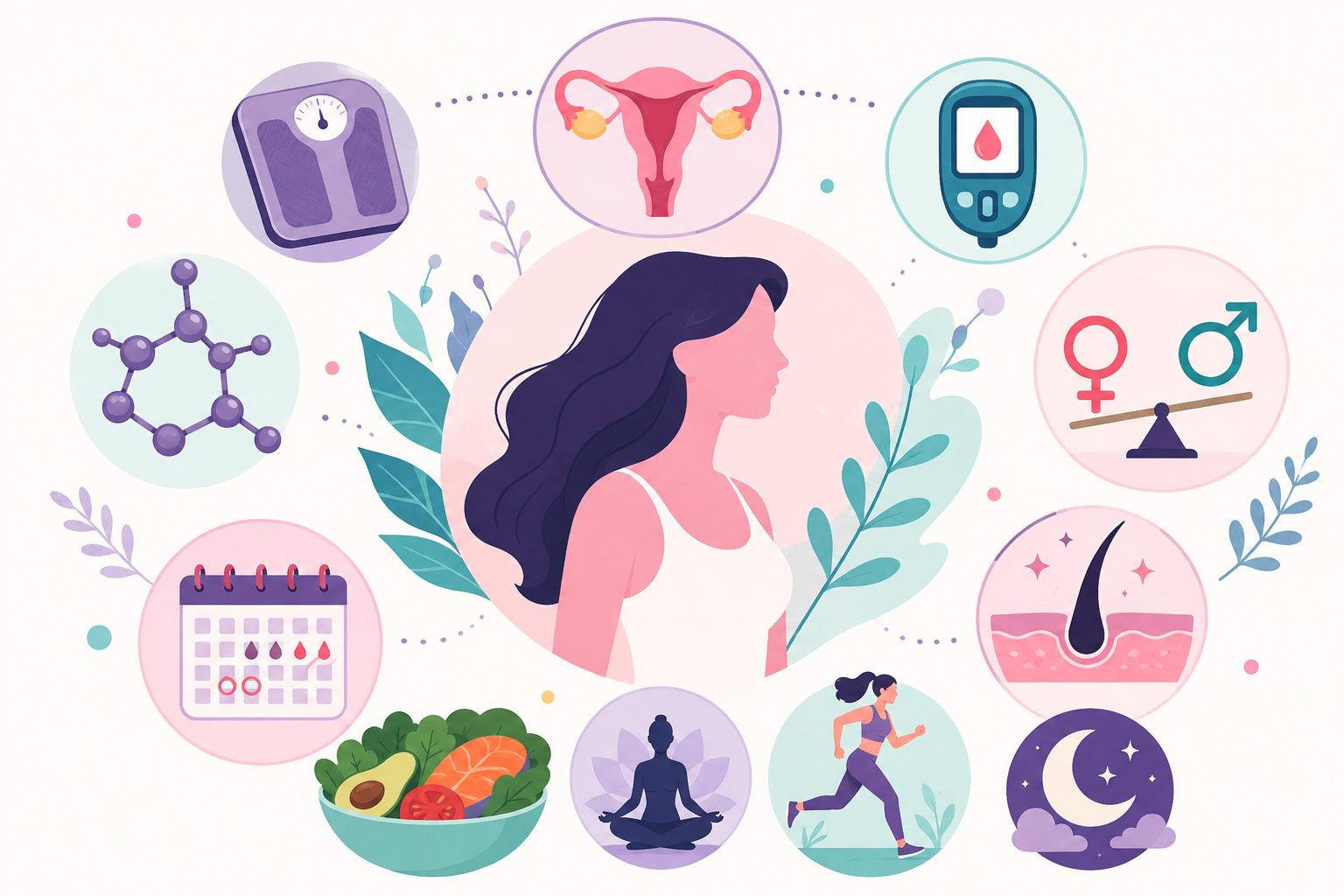
Women’s hormonal health has gained increasing attention in recent years, particularly conditions that affect reproductive health, metabolism, and overall well-being. Among these, Polycystic Ovary Syndrome (PCOS) has long been recognized as one of the most common hormonal disorders affecting women of reproductive age. Millions of women worldwide experience irregular menstrual cycles, hormonal imbalance, fertility issues, unexplained weight gain, acne, excessive hair growth, and emotional distress because of this condition.
However, in recent discussions among researchers and healthcare experts, a new term has started gaining attention: Polyendocrine Metabolic Ovarian Syndrome (PMOS). This emerging terminology is being explored to better reflect the broader complexity of the condition traditionally known as PCOS.
But what exactly has changed?
Is PMOS completely different from PCOS, or is it simply a more accurate way of understanding the same disorder? Why are medical experts reconsidering the terminology? Most importantly, why should women, healthcare professionals, and the general public care about this shift?
These are important questions because names matter in medicine. A medical condition’s name influences diagnosis, awareness, treatment approaches, patient understanding, and even research funding. When a name does not fully represent the condition, misunderstandings can occur.
For many years, the term “PCOS” has been criticized because it may not completely describe the condition. The word “polycystic” suggests ovarian cysts, yet many women diagnosed with PCOS do not actually have ovarian cysts. Likewise, some women with ovarian cysts may not have PCOS at all.
This confusion has led researchers to rethink whether the condition deserves a name that better explains its true nature. Since hormonal imbalance, metabolic dysfunction, insulin resistance, inflammation, and endocrine disturbances play a major role in the condition, some experts believe a broader and more medically accurate name could improve patient care.
This is where Polyendocrine Metabolic Ovarian Syndrome (PMOS) enters the discussion.
In this detailed guide, we will explore:
- What PCOS really is
- Why experts are discussing PMOS
- The differences between PMOS and PCOS
- Why the change matters in women’s healthcare
- What this means for diagnosis and treatment
Whether you are a student, healthcare professional, patient, parent, or simply curious about women’s health, this guide will help you understand the evolving conversation around hormonal and metabolic disorders in women.
What Is PCOS?
Understanding Polycystic Ovary Syndrome
Polycystic Ovary Syndrome (PCOS) is a hormonal disorder that primarily affects women during their reproductive years. It is one of the most common endocrine disorders among women globally and can significantly impact reproductive, metabolic, and emotional health.
PCOS affects approximately 1 in 10 women, although many cases remain undiagnosed because symptoms vary widely.
The condition involves an imbalance of reproductive hormones that can interfere with the normal functioning of the ovaries.
The ovaries are responsible for several important functions, including:
- Producing eggs (ovulation)
- Producing reproductive hormones
- Regulating menstrual cycles
- Supporting fertility
When hormonal balance becomes disrupted, ovulation may become irregular or stop completely.
This hormonal disruption can trigger a wide range of symptoms.
Common Symptoms of PCOS
Although symptoms vary between individuals, some of the most common include:
1. Irregular Menstrual Cycles
Many women with PCOS experience:
- Missed periods
- Delayed periods
- Extremely heavy periods
- Infrequent menstruation
Irregular ovulation is usually responsible for these menstrual disturbances.
2. Excess Androgen Levels
Androgens are often called “male hormones,” although women naturally produce them in smaller amounts.
In PCOS, androgen levels may become elevated, leading to symptoms such as:
- Excess facial hair
- Hair growth on the chest or abdomen
- Acne
- Oily skin
- Hair thinning or scalp hair loss
3. Weight Gain and Difficulty Losing Weight
Many women with PCOS struggle with:
- Unexplained weight gain
- Fat accumulation around the abdomen
- Difficulty maintaining healthy body weight
This often occurs because of insulin resistance.
4. Fertility Challenges
PCOS is among the leading causes of infertility because irregular ovulation affects egg release.
Many women discover they have PCOS only when trying to become pregnant.
5. Skin Changes
Common skin issues include:
- Acne breakouts
- Dark patches of skin
- Skin tags
6. Mental Health Challenges
PCOS may also influence emotional well-being.
Women often report:
- Anxiety
- Depression
- Low self-esteem
- Body image concerns
Why the Name “PCOS” Has Been Criticized
For decades, healthcare professionals have questioned whether Polycystic Ovary Syndrome is an accurate name.
There are several reasons for this criticism.
1. Many Women Do Not Have Ovarian Cysts
One of the biggest misconceptions is that every woman with PCOS has cysts on her ovaries.
This is not true.
Some women diagnosed with PCOS may never develop ovarian cysts.
The “cysts” seen on ultrasound are often immature follicles rather than actual cysts.
Because of this, many experts believe the term is misleading.
2. Symptoms Go Beyond the Ovaries
PCOS affects far more than reproductive organs.
It also impacts:
- Metabolism
- Blood sugar regulation
- Hormonal systems
- Heart health
- Mental health
The current name mainly focuses on ovaries, which may ignore the broader effects of the disorder.
3. Insulin Resistance Is Often Central
Research suggests many women with PCOS experience insulin resistance.
This means the body struggles to use insulin effectively, increasing the risk of:
- Weight gain
- Prediabetes
- Type 2 diabetes
- Cardiovascular disease
Since metabolism plays such a major role, experts argue that the name should acknowledge this.
4. Endocrine Dysfunction Is Widespread
PCOS affects multiple hormonal systems.
Hormones involved may include:
- Insulin
- Estrogen
- Progesterone
- Testosterone
- Luteinizing hormone (LH)
- Follicle-stimulating hormone (FSH)
This widespread hormonal involvement suggests the condition is not just ovarian—it is endocrine and metabolic.
What Is PMOS?
Understanding Polyendocrine Metabolic Ovarian Syndrome
Polyendocrine Metabolic Ovarian Syndrome (PMOS) is a newer proposed term that some researchers believe better reflects the complexity of PCOS.
Let us break down the name:
Polyendocrine
“Poly” means multiple.
“Endocrine” refers to hormones and glands.
This suggests the condition involves multiple hormonal systems, not only reproductive hormones.
Metabolic
This highlights metabolic dysfunction such as:
- Insulin resistance
- Obesity risk
- Blood sugar imbalance
- Fat metabolism issues
Ovarian
This recognizes that ovaries remain involved in the condition.
Syndrome
A syndrome means a group of symptoms occurring together.
In simple terms, PMOS describes the condition as:
A hormonal, metabolic, and ovarian disorder affecting multiple systems in the body.
This proposed name attempts to better capture the true nature of the condition.
Why Researchers Are Discussing PMOS
The movement toward PMOS is based on one major concern:
The current name may not fully represent the disease.
Experts argue that when a condition is misunderstood, patients may receive incomplete treatment.
For example:
A patient experiencing insulin resistance may focus only on menstrual irregularities.
Another patient may treat acne but ignore metabolic risks.
Some women may not realize PCOS increases long-term risks for:
- Diabetes
- High blood pressure
- Heart disease
- Sleep apnea
- Anxiety and depression
The PMOS concept encourages a whole-body approach.
Instead of seeing the condition as only reproductive, healthcare providers may view it as a broader hormonal-metabolic disorder.
This may lead to:
- Earlier diagnosis
- Better treatment plans
- Improved lifestyle management
- Better long-term health outcomes
PMOS vs PCOS: Is It a Completely New Disease?
One of the biggest misunderstandings is believing PMOS is an entirely new condition.
At present, PMOS is generally viewed as a reframing or renaming concept, not a completely separate disease.
In other words:
The underlying condition remains largely the same.
What changes is how doctors and researchers think about it.
The goal is to shift focus from:
“Only ovaries”
to
“Whole-body hormonal and metabolic health.”
This broader understanding matters because many women with PCOS struggle with symptoms unrelated to the ovaries.
For example:
A woman may experience:
- Fatigue
- Weight gain
- Insulin resistance
- Depression
- Brain fog
These symptoms may not immediately appear ovarian, yet they are deeply connected to hormonal imbalance.
The PMOS perspective encourages healthcare systems to recognize these connections.
Key Differences Between PMOS and PCOS
Although the condition itself overlaps greatly, the terminology highlights important differences in understanding.
1. Focus Area
PCOS:
Primarily emphasizes ovarian abnormalities.
PMOS:
Emphasizes hormonal and metabolic dysfunction across the body.
2. Disease Perspective
PCOS:
Often viewed mainly as a reproductive disorder.
PMOS:
Viewed as a whole-body endocrine-metabolic syndrome.
3. Treatment Thinking
PCOS:
Focus often placed on periods and fertility.
PMOS:
Broader focus including:
- Insulin sensitivity
- Weight management
- Cardiovascular health
- Mental wellness
- Hormonal regulation
4. Patient Awareness
PCOS:
Patients may misunderstand the role of metabolism.
PMOS:
May encourage better awareness of lifelong health risks.
Why This Change Matters in Women’s Healthcare
Medical names influence how patients understand their health.
Imagine hearing the term:
“Polycystic Ovary Syndrome.”
Many women immediately assume:
“I have ovarian cysts.”
But that may not be true.
Others think:
“This only affects fertility.”
Again, this is incomplete.
In reality, the condition can affect:
- Hormones
- Metabolism
- Mental health
- Skin health
- Sleep
- Energy levels
- Heart health
A broader name like PMOS may help women better understand that managing the condition involves more than reproductive care.
It may also encourage healthcare providers to screen for:
- Diabetes risk
- Blood pressure issues
- Cholesterol abnormalities
- Emotional well-being
This could potentially improve preventive healthcare and reduce complications later in life.
Part 2: Causes, Hormonal Changes, Symptoms, Risk Factors, and Diagnosis
What Causes PCOS and PMOS?
One of the most common questions women ask is:
“What causes PCOS or PMOS?”
The answer is complex.
There is no single known cause.
Instead, experts believe it develops because of a combination of:
- Genetics
- Hormonal imbalance
- Metabolic dysfunction
- Insulin resistance
- Inflammation
- Environmental factors
- Lifestyle influences
This is one reason many researchers feel the broader term PMOS may better describe the condition.
Instead of focusing only on ovaries, PMOS recognizes that multiple systems contribute to symptoms.
Let us explore each cause in detail.
1. Genetics: The Family Connection
Research suggests genetics play a strong role in the development of PCOS/PMOS.
Women with a family history of hormonal disorders may have a greater chance of developing symptoms.
For example, the risk may increase if someone has relatives with:
- PCOS
- Type 2 diabetes
- Obesity
- Metabolic syndrome
- Infertility problems
This suggests inherited genes may affect:
- Hormone production
- Insulin regulation
- Fat metabolism
- Ovulation
Can PCOS Be Inherited?
Many studies suggest PCOS often runs in families.
If your mother, sister, aunt, or grandmother had symptoms such as irregular periods, infertility, or hormonal imbalance, your risk may be higher.
However, genetics alone do not guarantee someone will develop the condition.
Lifestyle and environment also influence risk.
Example:
Two sisters may carry similar genes.
One may develop symptoms because of poor sleep, stress, insulin resistance, or obesity.
The other may never experience significant symptoms.
This shows that genetics and environment often work together.

2. Hormonal Imbalance: The Core Problem
Hormonal imbalance is considered one of the central features of both PCOS and the newer PMOS framework.
Hormones act as chemical messengers.
They regulate:
- Menstrual cycles
- Fertility
- Metabolism
- Mood
- Appetite
- Energy
In women with PCOS/PMOS, several hormones may become disrupted.
A. Androgens (Male Hormones)
Women naturally produce small amounts of androgens.
However, women with PCOS often have higher-than-normal androgen levels.
This condition is called:
Hyperandrogenism
High androgen levels may cause:
Physical Symptoms
- Facial hair growth
- Chin hair
- Chest hair
- Hair thinning
- Male-pattern baldness
Skin Changes
- Acne
- Oily skin
- Breakouts
Reproductive Problems
- Irregular ovulation
- Missed periods
- Fertility difficulties
High androgen production is one reason menstrual cycles become disrupted.
The ovaries may fail to release eggs regularly.
B. Insulin
Insulin is a hormone responsible for controlling blood sugar.
Its role is to help sugar move from the bloodstream into cells for energy.
However, many women with PCOS/PMOS develop:
Insulin Resistance
This means the body becomes less responsive to insulin.
As a result:
The body produces extra insulin to compensate.
Unfortunately, high insulin levels may worsen hormonal imbalance.
Excess insulin may stimulate ovaries to produce more androgens.
This creates a cycle:
High Insulin → High Androgens → Irregular Ovulation → Symptoms
This is one reason the term “Metabolic” in PMOS matters.
The condition is not only reproductive.
It is deeply connected to metabolism.
C. Luteinizing Hormone (LH)
LH helps trigger ovulation.
In many women with PCOS:
LH becomes abnormally elevated.
High LH may:
- Disrupt egg release
- Increase androgen production
- Affect menstrual cycles
D. Follicle-Stimulating Hormone (FSH)
FSH helps eggs mature.
In PCOS/PMOS:
FSH levels may become imbalanced.
This can prevent proper egg maturation.
As a result:
Ovulation may not occur normally.
This contributes to infertility issues.
E. Estrogen and Progesterone Imbalance
Healthy menstrual cycles require balance between:
- Estrogen
- Progesterone
In PCOS/PMOS:
Ovulation problems may interfere with progesterone production.
This may result in:
- Missed periods
- Heavy bleeding
- Irregular cycles
Long-term imbalance may increase risks of endometrial complications.
Why Hormones Matter More in PMOS
The proposed PMOS terminology emphasizes something important:
Multiple hormone systems are involved simultaneously.
The condition affects:
- Reproductive hormones
- Metabolic hormones
- Stress-related hormones
- Appetite hormones
This broader endocrine involvement explains why symptoms vary dramatically among women.
Some women struggle mainly with fertility.
Others struggle mostly with:
- Weight gain
- Fatigue
- Mood changes
- Blood sugar imbalance
This variability is one reason diagnosis may take years.
3. Insulin Resistance: The Hidden Driver
Many experts now believe insulin resistance is one of the biggest contributors to PCOS.
This is a major reason the PMOS concept has gained attention.
What Is Insulin Resistance?
Imagine insulin as a key.
Its job is to unlock cells so sugar can enter.
In insulin resistance:
The key stops working properly.
The body responds by making more insulin.
This leads to:
- Higher insulin levels
- Fat storage
- Increased hunger
- Hormonal imbalance
Symptoms of Insulin Resistance
Women may notice:
- Constant fatigue
- Sugar cravings
- Difficulty losing weight
- Belly fat
- Brain fog
- Energy crashes
Some women feel frustrated because they exercise and eat carefully but still struggle with weight.
Insulin resistance may explain why.
Why Insulin Resistance Matters in PMOS
Untreated insulin resistance increases the risk of:
- Prediabetes
- Type 2 diabetes
- High cholesterol
- High blood pressure
- Heart disease
This is one major reason experts argue that the condition deserves a more metabolic name.
The word “ovarian” alone does not explain these risks.
4. Chronic Inflammation
Low-grade inflammation is another possible contributor.
Research suggests some women with PCOS/PMOS experience chronic inflammation.
Inflammation may worsen:
- Insulin resistance
- Hormonal imbalance
- Weight gain
Possible signs include:
- Fatigue
- Skin issues
- Difficulty losing weight
Although inflammation is still being studied, many researchers believe it plays a meaningful role.
5. Environmental and Lifestyle Factors
Modern lifestyle habits may worsen symptoms.
Common contributing factors include:
Poor Diet
Highly processed foods may worsen insulin resistance.
Lack of Exercise
Sedentary behavior affects metabolism.
Stress
Chronic stress affects hormones.
Poor Sleep
Sleep disturbances may worsen insulin sensitivity.
Weight Gain
Excess body fat may contribute to hormone imbalance.
However, it is important to understand:
PCOS is not caused simply by weight gain.
Lean women can also develop PCOS.
Symptoms of PMOS vs PCOS
Symptoms can vary greatly.
Some women experience mild symptoms.
Others face severe complications.
Menstrual Symptoms
Women may experience:
- Irregular periods
- Missing periods
- Very heavy periods
- Light bleeding
Fertility Problems
Irregular ovulation can lead to:
- Difficulty getting pregnant
- Delayed conception
- Infertility concerns
Weight and Metabolic Symptoms
Many women report:
- Weight gain
- Belly fat
- Slow metabolism
- Difficulty losing weight
Skin Symptoms
Hormonal imbalance may trigger:
- Acne
- Oily skin
- Dark skin patches
Hair Symptoms
Excess androgen may cause:
Excess Hair Growth
- Face
- Chin
- Chest
Hair Loss
- Thinning scalp hair
Mental and Emotional Symptoms
Mental health often receives less attention.
Yet women commonly experience:
- Anxiety
- Depression
- Low confidence
- Mood swings
Many women feel misunderstood because symptoms are often invisible.
Why Symptoms Differ Between Women
No two women experience the condition in the same way.
One woman may mainly struggle with:
Acne and irregular periods
Another may struggle with:
Infertility and insulin resistance
A third may experience:
Weight gain and emotional distress
This symptom diversity is another reason some experts prefer the PMOS concept.
It better reflects a multi-system condition.
Risk Factors for Developing PMOS/PCOS
Several factors may increase risk.
Family History
Strong genetic links exist.
Obesity
May worsen insulin resistance.
Diabetes Risk
Higher insulin levels can contribute.
Sedentary Lifestyle
Poor activity affects hormones.
Chronic Stress
Stress hormones may worsen imbalance.
Poor Sleep Habits
Sleep affects metabolism and hormone regulation.
How Is PCOS or PMOS Diagnosed?
There is no single test.
Diagnosis usually involves multiple evaluations.
Doctors may assess:
- Symptoms
- Hormone levels
- Menstrual history
- Ultrasound findings
- Blood tests
The Rotterdam Criteria
Doctors often use the Rotterdam Criteria.
A woman may be diagnosed if she has at least two of these three signs:
1. Irregular Ovulation
Irregular menstrual cycles.
2. Elevated Androgens
High androgen symptoms or blood test results.
3. Polycystic Ovaries
Seen on ultrasound.
Importantly:
A woman can have PCOS without ovarian cysts.
This is one major reason the name is debated.
Blood Tests Used in Diagnosis
Doctors may check:
Hormones
- Testosterone
- LH
- FSH
- Estrogen
Metabolic Health
- Blood sugar
- Insulin levels
- Cholesterol
Thyroid Function
To rule out similar disorders.
Why Early Diagnosis Matters
Many women wait years for diagnosis.
Early treatment may help prevent:
- Infertility complications
- Diabetes
- Weight struggles
- Heart disease risks
- Emotional stress
Awareness is critical.
The earlier symptoms are recognized, the easier long-term management may become.
Part 3: Fertility, Pregnancy, Mental Health, Long-Term Risks, and Metabolic Health
PMOS/PCOS and Fertility: Understanding the Connection
One of the biggest concerns many women have after diagnosis is:
“Will I be able to get pregnant?”
This fear is understandable.
PCOS is one of the leading causes of infertility related to ovulation problems.
However, there is important good news:
Many women with PCOS or PMOS can still become pregnant—naturally or with medical support.
A diagnosis does not mean pregnancy is impossible.
It simply means fertility may require more planning, lifestyle management, or treatment.
Why Fertility Problems Happen in PCOS/PMOS
To understand fertility challenges, it helps to understand ovulation.
What Happens During Normal Ovulation?
In a healthy menstrual cycle:
- Hormones stimulate egg growth.
- One mature egg develops.
- The ovary releases the egg.
- Pregnancy becomes possible.
This process happens every month in most women.
However, in PCOS/PMOS:
Hormonal imbalance may interrupt this process.
Eggs may fail to mature properly.
Ovulation may become:
- Irregular
- Delayed
- Completely absent
This is called:
Anovulation
Anovulation means the ovary does not release an egg.
Without ovulation, pregnancy becomes more difficult.
Why PMOS Matters in Fertility Discussions
The PMOS framework emphasizes that fertility problems are not caused only by ovarian dysfunction.
Instead, multiple systems contribute, including:
- Hormonal imbalance
- Metabolic dysfunction
- Insulin resistance
- Chronic inflammation
This broader understanding may improve fertility treatment strategies.
Instead of only focusing on ovulation, healthcare providers may also address:
- Blood sugar control
- Weight management
- Hormonal regulation
- Stress reduction
This whole-body approach may improve pregnancy success rates.
Signs That Ovulation May Be Irregular
Women may notice signs such as:
Irregular Menstrual Cycles
Periods may come unpredictably.
Missing Periods
Some women experience months without menstruation.
Difficulty Predicting Fertility
Ovulation timing becomes unclear.
Trouble Conceiving
Pregnancy may take longer than expected.
Can Women With PCOS/PMOS Get Pregnant Naturally?
Yes.
Many women conceive naturally.
However, pregnancy may take more time.
Several factors influence fertility success, including:
Body Weight
Healthy weight management may improve ovulation.
Insulin Sensitivity
Better insulin control often supports reproductive health.
Hormonal Balance
Lower androgen levels may improve fertility.
Lifestyle Habits
Diet, sleep, and exercise matter.
Some women become pregnant after making lifestyle changes alone.
Others benefit from medical treatment.
Pregnancy Risks Associated With PCOS/PMOS
Women with hormonal and metabolic imbalance may face higher pregnancy risks.
These may include:
1. Gestational Diabetes
Women with insulin resistance have a greater risk of developing high blood sugar during pregnancy.
This condition requires monitoring because it may affect:
- Mother’s health
- Baby’s growth
- Delivery outcomes
2. High Blood Pressure
Some women face elevated blood pressure risks during pregnancy.
This may increase complications.
3. Miscarriage Risk
Some research suggests slightly higher miscarriage rates among women with untreated hormonal imbalance.
However:
Proper medical care and metabolic management may help reduce risks.
4. Premature Birth
Some pregnancies may require closer monitoring.
Pregnancy Success Stories Are Common
Many women fear infertility after diagnosis.
But successful pregnancies are extremely common.
With proper management, women often experience:
- Healthier ovulation
- Improved hormone balance
- Better fertility outcomes
Early diagnosis makes a difference.
The Emotional Side of Fertility Struggles
Fertility challenges can be emotionally exhausting.
Many women describe feelings such as:
- Frustration
- Anxiety
- Sadness
- Isolation
- Fear
Repeated failed attempts at pregnancy may affect self-confidence.
Women sometimes blame themselves unfairly.
Emotional support is important.
Partners, doctors, counselors, and support groups may help reduce emotional burden.
PMOS/PCOS and Mental Health
Mental health is often overlooked in discussions about hormonal disorders.
Yet emotional symptoms are incredibly common.
Many women report struggling with:
- Anxiety
- Depression
- Stress
- Mood swings
- Low confidence
The emotional impact can sometimes feel just as difficult as physical symptoms.
Why Mental Health Symptoms Occur
Several factors may contribute.
1. Hormonal Fluctuations
Hormones affect mood.
Imbalances may influence:
- Energy levels
- Emotions
- Irritability
- Sleep
2. Body Image Struggles
Symptoms such as:
- Weight gain
- Facial hair
- Acne
- Hair thinning
may affect confidence.
Many women feel embarrassed or misunderstood.
3. Fertility Concerns
Worries about pregnancy may create emotional stress.
4. Long-Term Health Anxiety
Fear about diabetes or chronic illness may affect emotional well-being.
Depression and PCOS/PMOS
Studies suggest women with hormonal disorders may face higher risks of depression.
Signs may include:
- Persistent sadness
- Low energy
- Sleep changes
- Loss of motivation
- Emotional exhaustion
Mental health deserves equal attention alongside physical symptoms.
Treatment should support the whole person.
Anxiety and PMOS/PCOS
Many women report chronic anxiety.
Common worries include:
- Future fertility
- Appearance changes
- Weight struggles
- Relationship concerns
- Health complications
Some women constantly worry about symptoms worsening.
Stress may then worsen hormonal imbalance, creating a difficult cycle.
Stress and Hormonal Imbalance
Stress hormones may affect reproductive hormones.
Chronic stress can worsen:
- Irregular periods
- Sleep quality
- Cravings
- Insulin resistance
Stress management is often underestimated in treatment plans.
Yet reducing stress may improve symptoms significantly.
Long-Term Health Risks of PCOS/PMOS
One reason the PMOS concept matters is because it highlights long-term health risks.
Many women believe the condition only affects fertility.
However, the effects may continue throughout life.
1. Type 2 Diabetes
This is one of the biggest long-term concerns.
Insulin resistance increases diabetes risk.
Without treatment, blood sugar levels may gradually rise.
Warning signs may include:
- Fatigue
- Frequent urination
- Increased thirst
- Blurry vision
Early lifestyle intervention may reduce risk significantly.
2. Heart Disease Risk
Hormonal and metabolic imbalance may affect cardiovascular health.
Risk factors may include:
- High cholesterol
- High blood pressure
- Obesity
- Inflammation
This is another reason experts believe the term “ovarian” alone is too limited.
The condition affects far more than reproductive organs.
3. Obesity and Weight Challenges
Not every woman with PCOS gains weight.
However, many struggle with:
- Stubborn fat storage
- Slow metabolism
- Difficulty losing weight
Hormonal imbalance may make weight loss more difficult than expected.
This often leads to frustration.
Women may feel blamed unfairly.
In reality:
Hormones often make weight management more complex.
4. Sleep Problems
Some women develop:
Sleep Apnea
This condition interrupts breathing during sleep.
Poor sleep may worsen:
- Hormones
- Cravings
- Energy
- Weight gain
Sleep health is often overlooked.
5. Endometrial Health Risks
Long periods without ovulation may affect the uterine lining.
Irregular shedding of the lining may increase health risks over time.
Regular medical follow-up matters.
Metabolic Health: Why PMOS Is Gaining Attention
The word “metabolic” in PMOS highlights an important truth:
Many women experience problems beyond reproductive health.
Metabolic health includes:
- Blood sugar control
- Fat metabolism
- Cholesterol levels
- Energy use
- Weight regulation
For some women:
Metabolic symptoms become more severe than reproductive symptoms.
This explains why researchers want a broader framework.
The Role of Insulin Resistance in Long-Term Health
Insulin resistance is often described as the hidden engine behind many symptoms.
It may contribute to:
Weight Gain
Higher insulin promotes fat storage.
Sugar Cravings
Blood sugar instability increases hunger.
Fatigue
Energy crashes become common.
Hormonal Problems
High insulin increases androgen production.
Diabetes Risk
Untreated insulin resistance may worsen over time.
Managing insulin may improve multiple symptoms simultaneously.
Why Early Management Matters
The earlier women understand the condition, the better the outcomes may be.
Early management may help reduce risks such as:
- Infertility
- Diabetes
- Heart disease
- Severe hormonal imbalance
- Emotional distress
Simple lifestyle improvements may create meaningful change over time.
Why PMOS Represents a Bigger Picture
Many researchers support the PMOS concept because it recognizes:
This condition affects:
- Ovaries
- Hormones
- Metabolism
- Emotional health
- Cardiovascular health
Instead of treating only reproductive symptoms, healthcare may become more preventive and holistic.
This shift could improve long-term quality of life.
Part 4: Treatment, Medications, Diet, Exercise, Sleep, and Lifestyle Management
“How can PMOS or PCOS be managed effectively?”
The answer is encouraging.
Although there may not be a single permanent cure, many women successfully manage symptoms and improve quality of life through:
- Medical treatment
- Hormonal management
- Lifestyle modifications
- Diet improvements
- Exercise routines
- Sleep optimization
- Stress management
Most importantly:
Treatment should be personalized because every woman experiences symptoms differently.
Is There a Cure for PMOS or PCOS?
One of the first questions many women ask after diagnosis is:
“Can PMOS or PCOS be cured?”
Currently, there is no permanent cure.
However:
Symptoms can often be managed very successfully.
Some women experience dramatic improvement with proper lifestyle habits and medical support.
Others may even experience long periods where symptoms become minimal.
The treatment goal is usually to:
- Restore hormone balance
- Improve ovulation
- Reduce insulin resistance
- Improve fertility
- Support emotional health
- Lower long-term disease risks
Why Treatment Should Be Personalized
No two women experience the condition in the same way.
For example:
Woman A
Main struggle:
- Acne
- Excess facial hair
Woman B
Main struggle:
- Infertility
Woman C
Main struggle:
- Weight gain
- Fatigue
- Insulin resistance
Woman D
Main struggle:
- Irregular periods
Because symptoms vary widely, treatment plans should also vary.
This is one reason the PMOS perspective matters.
A whole-body approach may lead to more individualized care.
Medical Treatments for PCOS/PMOS
Treatment depends on symptoms and goals.
For example:
Someone trying to conceive may need different care than someone focused on hormonal balance or acne.
1. Hormonal Birth Control
Hormonal contraceptives are commonly prescribed.
They may help regulate:
- Menstrual cycles
- Hormones
- Acne
- Excess hair growth
Potential Benefits
- More regular periods
- Reduced androgen levels
- Improved skin
Possible Considerations
Not every woman responds the same way.
Some may experience side effects.
Treatment decisions should always involve medical guidance.
2. Insulin-Sensitizing Medications
Since insulin resistance is common, doctors sometimes prescribe medications that help the body use insulin more effectively.
Possible benefits may include:
- Better blood sugar control
- Reduced insulin resistance
- More regular ovulation
- Improved fertility
This reflects why the word “Metabolic” in PMOS is important.
Managing metabolism often improves reproductive symptoms too.
3. Fertility Treatments
Women trying to become pregnant may receive ovulation support.
Doctors may recommend:
- Ovulation-inducing medications
- Hormonal treatment
- Fertility monitoring
Many women successfully conceive with medical support.
4. Acne and Hair Growth Treatments
For women struggling with androgen-related symptoms:
Doctors may recommend treatments to improve:
Acne
Hormonal balance often improves skin.
Excess Hair Growth
Hair management may involve medical and cosmetic approaches.
Hair Thinning
Early treatment may help reduce worsening hair loss.
Lifestyle Treatment: The Foundation of Symptom Management
Many experts agree on one thing:
Lifestyle management often plays a major role in symptom improvement.
Even small changes may create noticeable benefits.
For some women, lifestyle changes improve:
- Menstrual cycles
- Energy levels
- Weight regulation
- Hormonal balance
- Mood
The Best Diet for PMOS/PCOS
There is no universal “perfect” diet.
However, certain eating habits may help improve insulin sensitivity and hormonal balance.
Why Diet Matters So Much
Food influences:
- Blood sugar
- Hormones
- Inflammation
- Energy levels
- Insulin response
Since insulin resistance often contributes to symptoms, nutrition becomes especially important.
Foods That May Help Support Hormonal Balance
1. High-Fiber Foods
Fiber may help regulate blood sugar.
Examples include:
- Vegetables
- Fruits
- Beans
- Lentils
- Oats
Fiber also supports digestion and fullness.
2. Lean Protein Sources
Protein may help stabilize blood sugar and reduce cravings.
Examples include:
- Fish
- Chicken
- Eggs
- Beans
- Yogurt
3. Healthy Fats
Healthy fats support hormones.
Examples include:
- Nuts
- Seeds
- Olive oil
- Avocados
4. Whole Grains
Complex carbohydrates digest more slowly.
This may help reduce blood sugar spikes.
Examples include:
- Brown rice
- Oats
- Quinoa
- Whole wheat foods
Foods That May Worsen Symptoms
Some women notice symptom worsening after consuming:
Highly Processed Foods
Ultra-processed foods may worsen insulin resistance.
Sugary Drinks
Frequent sugar spikes may affect metabolism.
Excess Refined Carbohydrates
Highly processed carbs may increase blood sugar instability.
Moderation matters.
The goal is sustainable eating—not extreme restriction.
Is Weight Loss Necessary?
This topic can feel sensitive.
Important fact:
Not every woman with PMOS/PCOS needs weight loss.
Many women with healthy body weight still experience symptoms.
However:
For women carrying excess weight, even modest weight reduction may improve:
- Hormonal balance
- Ovulation
- Insulin resistance
- Fertility
Small progress matters.
Even moderate improvement may support health.
Exercise and PMOS/PCOS Management
Exercise can be extremely helpful.
It may improve:
- Insulin sensitivity
- Mood
- Hormone regulation
- Sleep
- Stress levels
Best Types of Exercise for PMOS/PCOS
1. Walking
Simple and sustainable.
Walking may help:
- Blood sugar control
- Weight management
- Stress reduction
2. Strength Training
Building muscle improves insulin sensitivity.
Examples include:
- Resistance bands
- Weight lifting
- Bodyweight exercises
3. Cardio Exercise
Activities such as:
- Cycling
- Swimming
- Jogging
may support heart health.
4. Yoga and Stretching
Yoga may help:
- Stress management
- Flexibility
- Hormonal wellness
Consistency Matters More Than Intensity
Many women feel pressured to do extreme workouts.
However:
Consistency usually matters more than perfection.
A manageable routine often works better than exhausting exercise plans.
Sleep: The Forgotten Hormonal Tool
Sleep is often ignored in hormonal health discussions.
Yet poor sleep may worsen:
- Insulin resistance
- Weight gain
- Hunger hormones
- Fatigue
Women with poor sleep often struggle more with symptoms.
Healthy Sleep Habits
Helpful habits may include:
Consistent Sleep Schedule
Try sleeping and waking at regular times.
Reduce Screen Time Before Bed
Late-night phone use may disrupt sleep.
Create a Relaxing Routine
Reading or quiet time may help.
Prioritize Sleep Duration
Sleep quality matters.
Stress Management and Hormonal Health
Stress affects hormones more than many people realize.
Chronic stress may worsen:
- Menstrual irregularities
- Cravings
- Fatigue
- Emotional symptoms
Stress Reduction Strategies
Women may benefit from:
Meditation
Supports relaxation.
Deep Breathing
May calm stress responses.
Walking Outdoors
Supports emotional well-being.
Journaling
Can help manage emotional overwhelm.
Counseling or Therapy
Helpful for emotional support.
Mental health deserves equal care.
Natural Remedies: Can They Help?
Many women explore natural approaches.
Some find support through:
- Healthier eating
- Better sleep
- Stress reduction
- Regular movement
However:
Natural remedies should not replace medical advice.
Always discuss supplements or major treatment changes with a healthcare professional.
Why the PMOS Perspective Changes Treatment Thinking
Traditional PCOS care often focused heavily on:
- Periods
- Fertility
- Ovarian symptoms
The PMOS framework encourages something broader:
Whole-Body Care
Treatment may include:
Metabolic Health
Improving insulin sensitivity.
Emotional Health
Supporting mental well-being.
Hormonal Health
Balancing endocrine function.
Long-Term Prevention
Reducing diabetes and heart disease risk.
This shift may improve outcomes over time.
Building a Sustainable PMOS/PCOS Lifestyle Plan
Instead of perfection, long-term consistency matters.
Helpful habits may include:
Daily Movement
Even short walks help.
Balanced Meals
Focus on nourishment.
Sleep Prioritization
Support hormones naturally.
Stress Reduction
Protect emotional health.
Regular Medical Checkups
Monitor long-term risks.
Small habits repeated consistently often matter more than dramatic changes.
Part 5: Myths vs Facts, Prevention, Future Research, Expert Insights, FAQs, and Final Thoughts
In the previous parts, we explored the growing discussion around PMOS (Polyendocrine Metabolic Ovarian Syndrome) and its relationship with PCOS (Polycystic Ovary Syndrome).
We covered:
- What PCOS and PMOS mean
- Causes and hormonal changes
- Symptoms and diagnosis
- Fertility and emotional health
- Metabolic risks
- Treatment strategies and lifestyle management
Now, in this final section, we will explore:
- Common myths and misconceptions
- Prevention strategies
- Future of PMOS research
- Why terminology matters
- Expert perspectives
- Final takeaways
- Detailed SEO-friendly FAQs
Understanding these topics can help improve awareness and empower women to make informed health decisions.
Common Myths and Facts About PMOS and PCOS
Many misunderstandings exist around hormonal disorders.
Misinformation often causes confusion, fear, and delayed diagnosis.
Let us separate myths from facts.
Myth 1: PCOS Only Affects the Ovaries
Fact:
This is one of the biggest misconceptions.
Although ovaries are involved, the condition affects much more than reproductive organs.
It may influence:
- Hormones
- Metabolism
- Mental health
- Fertility
- Skin
- Sleep
- Heart health
This broader impact is one major reason why some experts support the term PMOS.
The newer framework recognizes whole-body involvement.
Myth 2: Every Woman With PCOS Has Ovarian Cysts
Fact:
Not true.
Many women diagnosed with PCOS do not have ovarian cysts.
Doctors can diagnose the condition even without cysts.
This is one reason critics believe the term “Polycystic Ovary Syndrome” may be misleading.
The name can create confusion.
Myth 3: Only Overweight Women Develop PCOS
Fact:
Women of all body sizes may develop symptoms.
Some women with PCOS are:
- Lean
- Athletic
- Normal weight
Weight may influence symptom severity, but it is not the sole cause.
Hormonal imbalance and genetics also matter.
Myth 4: Pregnancy Is Impossible With PCOS
Fact:
Many women with PCOS successfully become pregnant.
Some conceive naturally.
Others benefit from lifestyle changes or fertility treatment.
A diagnosis does not mean infertility.
It simply means fertility may require additional planning and support.
Myth 5: Irregular Periods Are Normal and Harmless
Fact:
Occasional irregularity may happen.
However:
Persistent irregular periods deserve medical attention.
They may signal:
- Hormonal imbalance
- Ovulation problems
- Underlying metabolic issues
Ignoring symptoms may delay diagnosis.
Myth 6: PCOS Only Affects Fertility
Fact:
This misconception may prevent women from seeking treatment.
The condition may affect:
- Blood sugar
- Cholesterol
- Blood pressure
- Mood
- Energy
- Sleep quality
Long-term health matters just as much as fertility.
Can PMOS or PCOS Be Prevented?
This is a difficult question.
Currently:
There is no guaranteed way to completely prevent the condition.
This is because genetics often play a role.
However:
Certain habits may reduce symptom severity or lower risk factors.
Prevention Strategies That May Help
1. Maintain Healthy Insulin Sensitivity
Since insulin resistance often contributes to symptoms:
Helpful habits include:
- Regular movement
- Balanced meals
- Reduced sugary foods
- Stable eating patterns
2. Stay Physically Active
Exercise supports:
- Hormones
- Metabolism
- Weight management
- Stress reduction
Even moderate activity matters.
Consistency is more important than perfection.
3. Prioritize Sleep
Poor sleep affects hormones.
Healthy sleep may support:
- Appetite control
- Blood sugar balance
- Energy levels
4. Reduce Chronic Stress
Long-term stress may worsen hormonal imbalance.
Helpful practices include:
- Meditation
- Walking
- Yoga
- Counseling
- Relaxation techniques
5. Monitor Symptoms Early
Women experiencing symptoms such as:
- Missed periods
- Excess facial hair
- Acne
- Unexplained weight gain
should seek medical guidance earlier rather than later.
Early diagnosis often improves outcomes.
Why the PMOS Name Change Matters
Some people wonder:
“Why does terminology matter so much?”
The answer is simple:
Medical names shape understanding.
They influence:
- Diagnosis
- Awareness
- Treatment
- Research priorities
- Patient education
The term PCOS has existed for decades.
However, critics argue it may unintentionally narrow understanding.
The word “polycystic” often confuses patients.
Some women think:
“I don’t have cysts, so I cannot have PCOS.”
Others believe:
“This only affects my ovaries.”
Both assumptions may be inaccurate.
How PMOS May Improve Awareness
The term Polyendocrine Metabolic Ovarian Syndrome (PMOS) highlights multiple systems.
It acknowledges involvement of:
Hormones
Recognizes endocrine imbalance.
Metabolism
Acknowledges insulin resistance and diabetes risk.
Ovarian Function
Still recognizes fertility and ovulation.
This broader perspective may encourage more complete care.
Expert Opinions on PMOS vs PCOS
Healthcare experts continue debating terminology.
Some believe:
The condition deserves a new name because the old one is outdated.
Others argue:
Changing terminology may create confusion.
Many researchers agree on one important point:
The condition is more complex than previously understood.
Even among experts who continue using the term PCOS, there is growing recognition that:
The condition involves far more than ovarian cysts.
This shift in thinking may improve patient care regardless of terminology.
The Future of PMOS Research
Research into hormonal and metabolic disorders continues evolving.
Future studies may improve understanding of:
Genetics
Why some women develop symptoms.
Personalized Medicine
Customized treatment approaches.
Hormonal Therapies
Better symptom control.
Insulin Resistance Treatments
More targeted metabolic support.
Mental Health Care
Better emotional support systems.
AI and Predictive Healthcare
Technology may help identify risk earlier.
As science evolves, medical definitions may also change.
Personalized Medicine: The Future of Treatment
Experts increasingly believe treatment should become more individualized.
Instead of treating every woman the same way:
Future healthcare may focus on personal symptom patterns.
For example:
Fertility-Focused Care
For women trying to conceive.
Metabolic Care
For women with insulin resistance.
Hormonal Management
For severe androgen symptoms.
Emotional Support
For anxiety and depression.
This personalized approach aligns closely with the broader PMOS framework.
Why Women Should Pay Attention to Symptoms Early
Many women spend years without diagnosis.
Some are told:
“Your symptoms are normal.”
Others feel dismissed.
However:
Early awareness may reduce complications later.
Pay attention to symptoms such as:
- Missing periods
- Acne
- Facial hair growth
- Sudden weight changes
- Fertility struggles
- Fatigue
Seeking evaluation earlier may improve health outcomes.
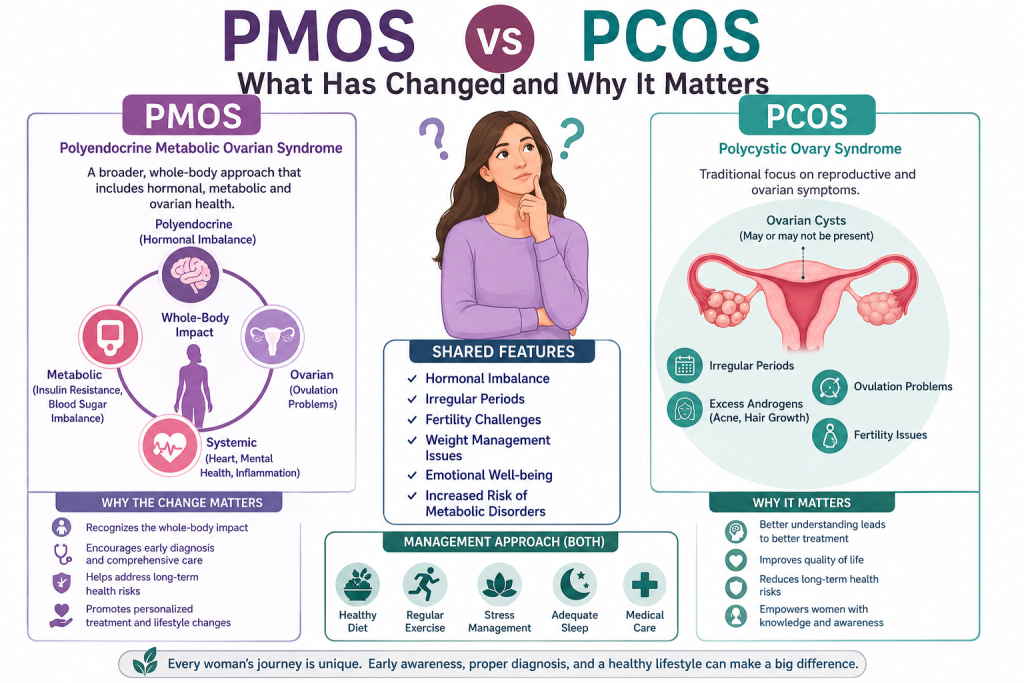
Final Comparison: PMOS vs PCOS
Although the terms overlap significantly, the key difference lies in perspective.
PCOS Focus:
Mostly ovarian and reproductive.
PMOS Focus:
Hormonal + metabolic + ovarian.
This shift matters because many women experience symptoms throughout the body.
The PMOS concept encourages healthcare providers to think more broadly.
Final Thoughts: What Has Changed and Why It Matters
The growing discussion around PMOS vs PCOS represents more than a simple name change.
It reflects an important evolution in medical understanding.
For years, Polycystic Ovary Syndrome (PCOS) has been viewed mainly as a reproductive disorder.
However, researchers increasingly recognize that the condition often affects:
- Hormones
- Metabolism
- Insulin resistance
- Mental health
- Fertility
- Cardiovascular health
The proposed term Polyendocrine Metabolic Ovarian Syndrome (PMOS) aims to better capture this complexity.
Whether the name officially changes or not, one message is becoming increasingly clear:
This condition is about far more than ovaries.
It is a whole-body health issue requiring comprehensive care.
For women living with symptoms, awareness matters.
Early diagnosis, supportive care, lifestyle management, and medical guidance can make a meaningful difference.
Most importantly:
A diagnosis does not define a woman’s future.
With proper support, many women successfully manage symptoms, improve fertility, protect long-term health, and live healthy lives.
Conclusion
The discussion around PMOS vs PCOS highlights an important shift in understanding women’s hormonal health. While PCOS (Polycystic Ovary Syndrome) has long been used to describe the condition, the proposed term PMOS (Polyendocrine Metabolic Ovarian Syndrome) aims to better reflect its broader hormonal and metabolic effects.
Beyond irregular periods and fertility challenges, the condition may also impact metabolism, insulin resistance, emotional well-being, and long-term health. Although PMOS is not yet an official replacement for PCOS, the growing conversation emphasizes the need for a more complete, whole-body approach to diagnosis and treatment.
Most importantly, early awareness, proper medical care, healthy lifestyle habits, and emotional support can help women successfully manage symptoms and improve overall quality of life.
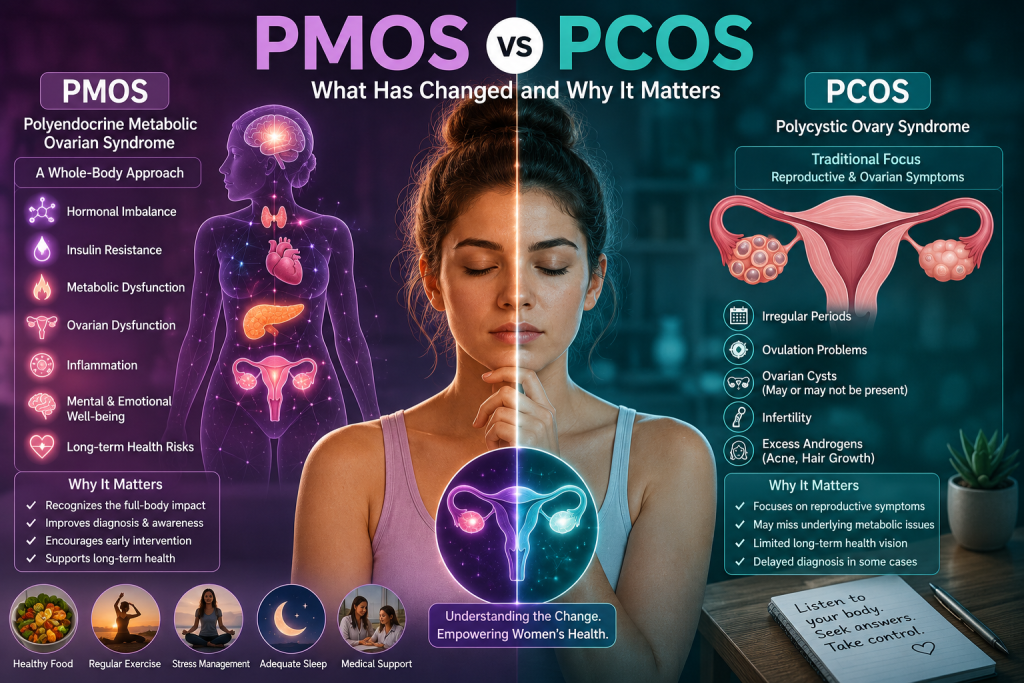
Frequently Asked Questions(FAQS)
1. What is PMOS (Polyendocrine Metabolic Ovarian Syndrome)?
PMOS, or Polyendocrine Metabolic Ovarian Syndrome, is a newer proposed term being discussed by some healthcare experts and researchers as an alternative way to describe the condition traditionally known as PCOS (Polycystic Ovary Syndrome).
The idea behind PMOS is to better represent the full complexity of the condition.
Instead of focusing mainly on ovarian cysts, the term highlights that the disorder often involves:
- Multiple hormonal systems (polyendocrine)
- Metabolic dysfunction
- Insulin resistance
- Ovarian problems
- Fertility issues
Many experts believe PMOS may offer a broader understanding because PCOS affects much more than reproductive health.
2. Is PMOS officially replacing PCOS?
At present, PMOS has not officially replaced PCOS in mainstream medical practice.
Most doctors and healthcare organizations still use the term Polycystic Ovary Syndrome (PCOS).
However, researchers and experts are increasingly discussing whether the traditional name fully reflects the condition.
The conversation exists because many women diagnosed with PCOS:
- Do not actually have ovarian cysts
- Experience metabolic problems
- Have insulin resistance
- Face emotional and cardiovascular risks
For now, PCOS remains the standard medical term.
3. Why are experts discussing changing the name from PCOS to PMOS?
Experts are discussing the terminology change because many believe the name PCOS can be misleading.
The term “polycystic ovary syndrome” focuses mainly on ovarian cysts.
However:
- Many women with PCOS do not have cysts
- The condition affects hormones throughout the body
- Metabolic health is often strongly involved
The PMOS concept emphasizes:
Hormonal Health
Multiple endocrine systems may be disrupted.
Metabolic Health
Insulin resistance often plays a major role.
Ovarian Function
Ovulation and fertility remain important.
The goal is to improve understanding and patient care.
4. What is the main difference between PMOS and PCOS?
The biggest difference lies in perspective.
PCOS:
Traditionally focuses on reproductive and ovarian symptoms.
PMOS:
Highlights a broader hormonal and metabolic disorder.
PCOS mainly emphasizes:
- Ovulation problems
- Menstrual irregularities
- Ovarian appearance
PMOS recognizes additional factors such as:
- Insulin resistance
- Blood sugar imbalance
- Obesity risk
- Cardiovascular health
- Emotional well-being
In many ways, PMOS aims to describe the same condition more accurately.
5. Is PMOS a completely new disease?
No.
PMOS is not considered an entirely separate disease.
Rather, it is a proposed rethinking or reframing of how experts understand PCOS.
The symptoms and underlying condition overlap greatly.
The difference is that PMOS places stronger emphasis on:
- Endocrine dysfunction
- Metabolic disturbances
- Whole-body health
Instead of viewing it only as an ovarian disorder.
6. What causes PMOS or PCOS?
There is no single known cause.
Experts believe the condition develops due to a combination of factors.
Genetics
Family history increases risk.
Hormonal Imbalance
Higher androgen levels may interfere with ovulation.
Insulin Resistance
The body may struggle to use insulin properly.
Chronic Inflammation
Low-grade inflammation may worsen symptoms.
Lifestyle Factors
Diet, stress, sleep, and activity levels may influence severity.
The condition is usually multifactorial.
7. Is PCOS hereditary?
Research suggests PCOS often runs in families.
You may have a higher chance of developing symptoms if close relatives have:
- PCOS
- Type 2 diabetes
- Hormonal imbalance
- Infertility issues
However:
Genetics alone do not guarantee diagnosis.
Environmental and lifestyle factors also play a role.
8. What are the common symptoms of PMOS and PCOS?
Symptoms vary from woman to woman.
Common symptoms include:
Menstrual Symptoms
- Irregular periods
- Missing periods
- Heavy bleeding
Hormonal Symptoms
- Excess facial hair
- Acne
- Oily skin
Hair Changes
- Hair thinning
- Hair loss
Weight Issues
- Weight gain
- Belly fat
- Difficulty losing weight
Emotional Symptoms
- Anxiety
- Depression
- Mood swings
Fertility Problems
- Difficulty conceiving
Not every woman experiences the same symptoms.
9. Does every woman with PCOS have ovarian cysts?
No.
This is one of the biggest myths.
Many women diagnosed with PCOS do not have ovarian cysts.
Doctors may diagnose PCOS based on:
- Hormonal imbalance
- Irregular ovulation
- Symptoms such as acne or excess hair growth
Ultrasound findings are only one part of diagnosis.
10. Can women with PCOS or PMOS get pregnant?
Yes.
Many women with PCOS successfully become pregnant.
Some conceive naturally.
Others may benefit from:
- Lifestyle changes
- Fertility medications
- Hormonal treatment
Although ovulation problems may make conception harder, pregnancy is often still possible.
Early treatment improves chances.
11. Why does PCOS affect fertility?
Fertility problems mainly happen because of irregular ovulation.
In a normal menstrual cycle:
The ovary releases an egg every month.
In PCOS/PMOS:
Hormonal imbalance may stop eggs from maturing properly.
This may result in:
- Irregular ovulation
- Delayed ovulation
- No ovulation
Without ovulation, pregnancy becomes more difficult.
12. Can PCOS go away naturally?
PCOS usually does not completely disappear.
However:
Symptoms can improve significantly.
Some women experience major improvements through:
- Better nutrition
- Weight management
- Exercise
- Hormonal treatment
- Stress reduction
Symptoms may change throughout life.
13. What is insulin resistance in PMOS/PCOS?
Insulin resistance happens when the body stops responding properly to insulin.
Insulin helps move sugar into cells for energy.
When resistance develops:
The body produces extra insulin.
High insulin may worsen:
- Weight gain
- Cravings
- Hormonal imbalance
- Fertility issues
Insulin resistance is considered one of the major contributors to PCOS symptoms.
14. Does PCOS cause weight gain?
It can.
Hormonal imbalance and insulin resistance may make weight management more difficult.
Some women experience:
- Increased belly fat
- Strong cravings
- Slow metabolism
However:
Not all women with PCOS gain weight.
Lean women may also develop the condition.
15. What is the best diet for PMOS or PCOS?
There is no single perfect diet.
However, balanced eating often helps.
Helpful foods may include:
High-Fiber Foods
Vegetables, oats, legumes.
Lean Protein
Fish, eggs, chicken, yogurt.
Healthy Fats
Nuts, olive oil, seeds.
Whole Grains
Brown rice and whole wheat products.
Reducing excessive sugar and highly processed foods may also help.
16. What foods should women with PMOS or PCOS avoid?
Some women find symptom improvement by reducing:
- Sugary drinks
- Ultra-processed foods
- Excess refined carbohydrates
- High-sugar snacks
The goal is balance—not extreme dieting.
Sustainable eating habits matter most.
17. Can exercise improve PCOS symptoms?
Yes.
Exercise may improve:
- Insulin sensitivity
- Hormonal balance
- Weight regulation
- Mood
- Energy levels
Helpful activities include:
- Walking
- Strength training
- Yoga
- Cycling
- Swimming
Consistency matters more than intensity.
18. Is PMOS or PCOS linked to diabetes?
Yes.
Women with insulin resistance may have a greater risk of:
Prediabetes
Higher-than-normal blood sugar.
Type 2 Diabetes
Long-term blood sugar problems.
Early management may reduce risk.
19. Does PCOS affect mental health?
Yes.
Many women experience emotional challenges such as:
- Anxiety
- Depression
- Low confidence
- Emotional stress
Symptoms like acne, infertility, and weight gain may affect self-esteem.
Mental health support is important.
20. Can stress worsen PMOS or PCOS?
Yes.
Chronic stress may worsen:
- Hormonal imbalance
- Sleep problems
- Cravings
- Menstrual irregularities
Stress management strategies may help improve symptoms.
21. How do doctors diagnose PCOS?
Doctors often use the Rotterdam Criteria.
Diagnosis may involve:
Medical History
Menstrual cycles and symptoms.
Hormone Testing
Blood work.
Ultrasound
Checking ovaries.
Physical Symptoms
Acne, hair growth, irregular periods.
Usually, at least two signs are needed for diagnosis.
22. Is PCOS dangerous if untreated?
Untreated symptoms may increase risks of:
- Diabetes
- High blood pressure
- Cholesterol problems
- Infertility
- Mental health struggles
Early care may reduce complications.
23. Can teenagers develop PCOS?
Yes.
Symptoms often begin during adolescence.
Signs may include:
- Irregular periods
- Severe acne
- Hair growth changes
- Weight gain
Early evaluation is helpful.
24. Can women with PCOS live healthy lives?
Absolutely.
Many women successfully manage symptoms through:
- Healthy lifestyle habits
- Medical treatment
- Regular monitoring
- Emotional support
A diagnosis does not prevent someone from living a healthy and fulfilling life.
25. Why does the PMOS concept matter for the future?
The PMOS framework matters because it may improve understanding of the condition as:
A whole-body hormonal and metabolic disorder
rather than simply an ovarian problem.
This broader approach may lead to:
- Better awareness
- Earlier diagnosis
- More personalized treatment
- Improved long-term health outcomes
As research evolves, terminology and treatment approaches may continue changing.